 |
Latest | Greatest | Lobby | Journals | Search | Options | Help | Login |
|
 Printer-friendly format
 Email this thread to a friend
 Bookmark this thread
 |
This topic is archived. |
| Home » Discuss » Latest Breaking News |

|
ozymandius
 (1000+ posts)
Send PM |
Profile |
Ignore
(1000+ posts)
Send PM |
Profile |
Ignore
|
Wed Sep-01-04 07:10 AM Original message |
| STOCK MARKET WATCH, Wednesday 1 September |
| Printer Friendly | Permalink | | Top |
| UpInArms
(1000+ posts)
Send PM |
Profile |
Ignore
|
Wed Sep-01-04 07:24 AM Response to Original message |
| 1. daily dollar watch |
| Printer Friendly | Permalink | | Top |
| ozymandius
(1000+ posts)
Send PM |
Profile |
Ignore
|
Wed Sep-01-04 08:04 AM Response to Reply #1 |
| 3. Thanks UIA. |
| Printer Friendly | Permalink | | Top |
| ozymandius
(1000+ posts)
Send PM |
Profile |
Ignore
|
Wed Sep-01-04 07:52 AM Response to Original message |
| 2. WrapUp by Ike Iossif |
| Printer Friendly | Permalink | | Top |
| 54anickel
(1000+ posts)
Send PM |
Profile |
Ignore
|
Wed Sep-01-04 10:00 AM Response to Reply #2 |
| 17. Here's the link - |
| Printer Friendly | Permalink | | Top |
| 54anickel
(1000+ posts)
Send PM |
Profile |
Ignore
|
Wed Sep-01-04 10:14 AM Response to Reply #2 |
| 18. But, but, but Ozy, in yesterday's blather we learned that they were |
| Printer Friendly | Permalink | | Top |
| UpInArms
(1000+ posts)
Send PM |
Profile |
Ignore
|
Wed Sep-01-04 08:17 AM Response to Original message |
| 4. pre-opening blather |
| Printer Friendly | Permalink | | Top |
| UpInArms
(1000+ posts)
Send PM |
Profile |
Ignore
|
Wed Sep-01-04 08:28 AM Response to Original message |
| 5. FOREX-Dollar mired just above recent lows on data worry |
| Printer Friendly | Permalink | | Top |
| ret5hd
(1000+ posts)
Send PM |
Profile |
Ignore
|
Wed Sep-01-04 08:42 AM Response to Original message |
| 6. a question for the experts... |
| Printer Friendly | Permalink | | Top |
| 54anickel
(1000+ posts)
Send PM |
Profile |
Ignore
|
Wed Sep-01-04 09:14 AM Response to Reply #6 |
| 7. Good morning Ret5hd, |
| Printer Friendly | Permalink | | Top |
| ret5hd
(1000+ posts)
Send PM |
Profile |
Ignore
|
Wed Sep-01-04 09:28 AM Response to Reply #7 |
| 12. thnx 54anickel |
| Printer Friendly | Permalink | | Top |
| 54anickel
(1000+ posts)
Send PM |
Profile |
Ignore
|
Wed Sep-01-04 09:54 AM Response to Reply #12 |
| 15. Ahh, I see. Yes, it's is hard to stay informed. And while you notice |
| Printer Friendly | Permalink | | Top |
| bain_sidhe
(1000+ posts)
Send PM |
Profile |
Ignore
|
Wed Sep-01-04 12:40 PM Response to Reply #12 |
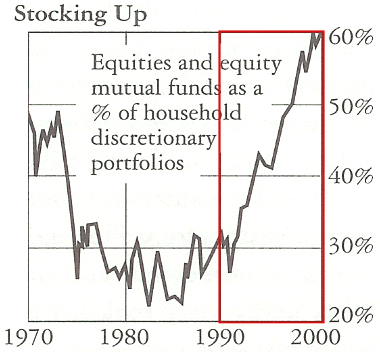
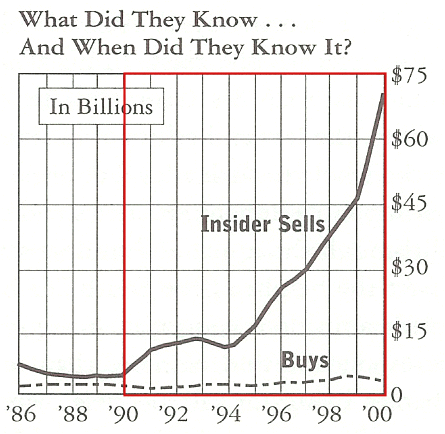
| 33. Watch insider sales, if you can find the info |
| Printer Friendly | Permalink | | Top |
| patcox2
(1000+ posts)
Send PM |
Profile |
Ignore
|
Wed Sep-01-04 01:55 PM Response to Reply #33 |
| 42. Could this also have to do with explosion of options as compensation? |
| Printer Friendly | Permalink | | Top |
| bain_sidhe
(1000+ posts)
Send PM |
Profile |
Ignore
|
Wed Sep-01-04 02:42 PM Response to Reply #42 |
| 47. Possibly... it's hard to tell from the book |
| Printer Friendly | Permalink | | Top |
| llmart
(1000+ posts)
Send PM |
Profile |
Ignore
|
Wed Sep-01-04 10:42 AM Response to Reply #7 |
| 22. At least Ret5hd has an option in his 401K for guaranteed fund.... |
| Printer Friendly | Permalink | | Top |
| 54anickel
(1000+ posts)
Send PM |
Profile |
Ignore
|
Wed Sep-01-04 09:17 AM Response to Original message |
| 8. Oil Rebounds After 8-Day Slide on Blaze |
| Printer Friendly | Permalink | | Top |
| 54anickel
(1000+ posts)
Send PM |
Profile |
Ignore
|
Wed Sep-01-04 09:21 AM Response to Reply #8 |
| 9. Crude Oil Rises on Expected Drop in U.S. Gasoline Inventories |
| Printer Friendly | Permalink | | Top |
| 54anickel
(1000+ posts)
Send PM |
Profile |
Ignore
|
Wed Sep-01-04 09:24 AM Response to Reply #8 |
| 10. Record Labor Day gas prices loom |
| Printer Friendly | Permalink | | Top |
| 54anickel
(1000+ posts)
Send PM |
Profile |
Ignore
|
Wed Sep-01-04 09:26 AM Response to Original message |
| 11. U.S. August ISM Manufacturing Index Falls to 59 From 62 |
| Printer Friendly | Permalink | | Top |
| UpInArms
(1000+ posts)
Send PM |
Profile |
Ignore
|
Wed Sep-01-04 09:52 AM Response to Reply #11 |
| 14. here's the report details |
| Printer Friendly | Permalink | | Top |
| 54anickel
(1000+ posts)
Send PM |
Profile |
Ignore
|
Wed Sep-01-04 09:30 AM Response to Original message |
| 13. Treasuries show surprising strength |
| Printer Friendly | Permalink | | Top |
| 54anickel
(1000+ posts)
Send PM |
Profile |
Ignore
|
Wed Sep-01-04 09:59 AM Response to Original message |
| 16. 10:56 numbers |
| Printer Friendly | Permalink | | Top |
| 54anickel
(1000+ posts)
Send PM |
Profile |
Ignore
|
Wed Sep-01-04 10:16 AM Response to Original message |
| 19. U.S. Companies Speed Up Buyback Pace |
| Printer Friendly | Permalink | | Top |
| 54anickel
(1000+ posts)
Send PM |
Profile |
Ignore
|
Wed Sep-01-04 10:29 AM Response to Original message |
| 20. Exotic debt traders turn to Cuba |
| Printer Friendly | Permalink | | Top |
| 54anickel
(1000+ posts)
Send PM |
Profile |
Ignore
|
Wed Sep-01-04 10:31 AM Response to Original message |
| 21. United looks at cutting 6,000 more jobs |
| Printer Friendly | Permalink | | Top |
| 54anickel
(1000+ posts)
Send PM |
Profile |
Ignore
|
Wed Sep-01-04 10:58 AM Response to Original message |
| 23. Report Details 'Kleptocracy' at Newspaper Firm |
| Printer Friendly | Permalink | | Top |
| KoKo
(1000+ posts)
Send PM |
Profile |
Ignore
|
Wed Sep-01-04 11:34 AM Response to Reply #23 |
| 24. Incredible article! and Kissinger's name comes up. Is there no end to |
| Printer Friendly | Permalink | | Top |
| 54anickel
(1000+ posts)
Send PM |
Profile |
Ignore
|
Wed Sep-01-04 11:37 AM Response to Original message |
| 25. Mogambo - warning: pretty nasty rant again today |
| Printer Friendly | Permalink | | Top |
| UpInArms
(1000+ posts)
Send PM |
Profile |
Ignore
|
Wed Sep-01-04 11:47 AM Response to Original message |
| 26. auto sales (more hit and run posting) |
| Printer Friendly | Permalink | | Top |
| 54anickel
(1000+ posts)
Send PM |
Profile |
Ignore
|
Wed Sep-01-04 12:02 PM Response to Original message |
| 27. Bonus program at Shell revised |
| Printer Friendly | Permalink | | Top |
| 54anickel
(1000+ posts)
Send PM |
Profile |
Ignore
|
Wed Sep-01-04 12:06 PM Response to Original message |
| 28. 1:03 update (Dow had sudden drop as I type to .074) |
| Printer Friendly | Permalink | | Top |
| 54anickel
(1000+ posts)
Send PM |
Profile |
Ignore
|
Wed Sep-01-04 12:07 PM Response to Reply #28 |
| 29. DOW dropping fast - 1:06 it's at -11.58 |
| Printer Friendly | Permalink | | Top |
| 54anickel
(1000+ posts)
Send PM |
Profile |
Ignore
|
Wed Sep-01-04 12:12 PM Response to Original message |
| 30. 1:11 HOLY SHIT |
| Printer Friendly | Permalink | | Top |
| 54anickel
(1000+ posts)
Send PM |
Profile |
Ignore
|
Wed Sep-01-04 12:25 PM Response to Reply #30 |
| 31. 1:24 and recovering quite nicely, should be in the black in no time |
| Printer Friendly | Permalink | | Top |
| 54anickel
(1000+ posts)
Send PM |
Profile |
Ignore
|
Wed Sep-01-04 12:39 PM Response to Reply #30 |
| 32. Might have been this story.... |
| Printer Friendly | Permalink | | Top |
| UpInArms
(1000+ posts)
Send PM |
Profile |
Ignore
|
Wed Sep-01-04 12:43 PM Response to Reply #32 |
| 34. updated blather (and the sick thing was the problem) |
| Printer Friendly | Permalink | | Top |
| 54anickel
(1000+ posts)
Send PM |
Profile |
Ignore
|
Wed Sep-01-04 01:07 PM Response to Reply #34 |
| 36. Thanks UIA. Looks like the DOW is having a bit of trouble shaking |
| Printer Friendly | Permalink | | Top |
| 54anickel
(1000+ posts)
Send PM |
Profile |
Ignore
|
Wed Sep-01-04 12:45 PM Response to Original message |
| 35. Gold falls as data lift dollar, stocks |
| Printer Friendly | Permalink | | Top |
| 54anickel
(1000+ posts)
Send PM |
Profile |
Ignore
|
Wed Sep-01-04 01:31 PM Response to Original message |
| 37. Over A Barrel? |
| Printer Friendly | Permalink | | Top |
| KoKo
(1000+ posts)
Send PM |
Profile |
Ignore
|
Wed Sep-01-04 01:32 PM Response to Original message |
| 38. Hurricanes and Iraq Fires could raise price of Oil |
| Printer Friendly | Permalink | | Top |
| 54anickel
(1000+ posts)
Send PM |
Profile |
Ignore
|
Wed Sep-01-04 01:37 PM Response to Original message |
| 39. MARKET MANIPULATION, OR INFORMATION MANIPULATION? |
| Printer Friendly | Permalink | | Top |
| 54anickel
(1000+ posts)
Send PM |
Profile |
Ignore
|
Wed Sep-01-04 01:47 PM Response to Original message |
| 40. Public debt as of the end of August is yet another record breaker! |
| Printer Friendly | Permalink | | Top |
| 54anickel
(1000+ posts)
Send PM |
Profile |
Ignore
|
Wed Sep-01-04 01:55 PM Response to Original message |
| 41. Of Scalloped Potatoes and Coconut Cream Pie |
| Printer Friendly | Permalink | | Top |
| 54anickel
(1000+ posts)
Send PM |
Profile |
Ignore
|
Wed Sep-01-04 02:20 PM Response to Original message |
| 43. Wise Words |
| Printer Friendly | Permalink | | Top |
| 54anickel
(1000+ posts)
Send PM |
Profile |
Ignore
|
Wed Sep-01-04 02:29 PM Response to Original message |
| 44. Axioms of the Global Economic Order |
| Printer Friendly | Permalink | | Top |
| KoKo
(1000+ posts)
Send PM |
Profile |
Ignore
|
Wed Sep-01-04 02:59 PM Response to Reply #44 |
| 48. A good read, that... Reminds of when some of us thought that the |
| Printer Friendly | Permalink | | Top |
| 54anickel
(1000+ posts)
Send PM |
Profile |
Ignore
|
Wed Sep-01-04 02:32 PM Response to Original message |
| 45. 3:30 update |
| Printer Friendly | Permalink | | Top |
| 54anickel
(1000+ posts)
Send PM |
Profile |
Ignore
|
Wed Sep-01-04 02:41 PM Response to Original message |
| 46. Understate Housing Costs, Understate Inflation |
| Printer Friendly | Permalink | | Top |
| 54anickel
(1000+ posts)
Send PM |
Profile |
Ignore
|
Wed Sep-01-04 03:11 PM Response to Original message |
| 49. CEOs See More Hiring, Capital Spending |
| Printer Friendly | Permalink | | Top |
| Robbien
(1000+ posts)
Send PM |
Profile |
Ignore
|
Wed Sep-01-04 03:31 PM Response to Reply #49 |
| 54. They know they need to keep consumer spending up |
| Printer Friendly | Permalink | | Top |
| 54anickel
(1000+ posts)
Send PM |
Profile |
Ignore
|
Wed Sep-01-04 03:17 PM Response to Original message |
| 50. NAFTA Ruling Victory for Canadian Softwood Lumber Producers |
| Printer Friendly | Permalink | | Top |
| 54anickel
(1000+ posts)
Send PM |
Profile |
Ignore
|
Wed Sep-01-04 03:19 PM Response to Original message |
| 51. Small bankers group frets over B of A's small-biz unit move, layoffs |
| Printer Friendly | Permalink | | Top |
| 54anickel
(1000+ posts)
Send PM |
Profile |
Ignore
|
Wed Sep-01-04 03:26 PM Response to Original message |
| 52. Labor secretary says outsourcing anxiety belies facts |
| Printer Friendly | Permalink | | Top |
| 54anickel
(1000+ posts)
Send PM |
Profile |
Ignore
|
Wed Sep-01-04 03:30 PM Response to Original message |
| 53. Stocks Face Annual Autumn Watershed |
| Printer Friendly | Permalink | | Top |
| 54anickel
(1000+ posts)
Send PM |
Profile |
Ignore
|
Wed Sep-01-04 03:31 PM Response to Original message |
| 55. Closing numbers |
| Printer Friendly | Permalink | | Top |
| UpInArms
(1000+ posts)
Send PM |
Profile |
Ignore
|
Wed Sep-01-04 04:21 PM Response to Original message |
| 56. I Am an Economic Girlie-Man |
| Printer Friendly | Permalink | | Top |
| 54anickel
(1000+ posts)
Send PM |
Profile |
Ignore
|
Wed Sep-01-04 04:59 PM Response to Reply #56 |
| 58. Hmmm, a new name for the DU Marketeers? |
| Printer Friendly | Permalink | | Top |
| UpInArms
(1000+ posts)
Send PM |
Profile |
Ignore
|
Wed Sep-01-04 04:53 PM Response to Original message |
| 57. GM, Ford Cut Production, U.S. Sales Weak |
| Printer Friendly | Permalink | | Top |
| KoKo
(1000+ posts)
Send PM |
Profile |
Ignore
|
Wed Sep-01-04 07:16 PM Response to Original message |
| 59. Kick...some great articles here, for after hours reading if you aren't |
| Printer Friendly | Permalink | | Top |
DU
AdBot (1000+ posts)     |
Wed Feb 18th 2026, 07:18 PM Response to Original message |
| Advertisements [?] |
| Top |
| Home » Discuss » Latest Breaking News |
|
Powered by DCForum+ Version 1.1 Copyright 1997-2002 DCScripts.com
Software has been extensively modified by the DU administrators
Important Notices: By participating on this discussion board, visitors agree to abide by the rules outlined on our Rules page. Messages posted on the Democratic Underground Discussion Forums are the opinions of the individuals who post them, and do not necessarily represent the opinions of Democratic Underground, LLC.
Home | Discussion Forums | Journals | Store | Donate
About DU | Contact Us | Privacy Policy
Got a message for Democratic Underground? Click here to send us a message.
© 2001 - 2011 Democratic Underground, LLC





 "
"  "
"