 |
Latest | Greatest | Lobby | Journals | Search | Options | Help | Login |
|
 Printer-friendly format
 Email this thread to a friend
 Bookmark this thread
 |
This topic is archived. |
| Home » Discuss » Topic Forums » Science |

|
Elmore Furth
 (1000+ posts)
Send PM |
Profile |
Ignore
(1000+ posts)
Send PM |
Profile |
Ignore
|
Sat Nov-27-10 04:03 PM Original message |
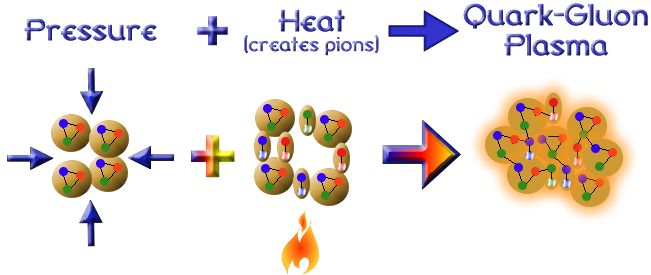
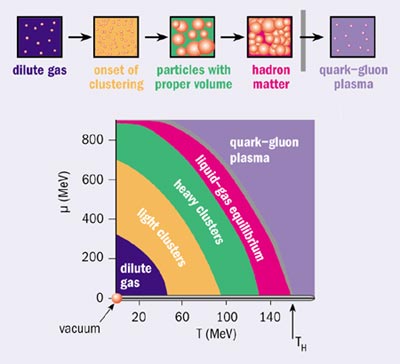
| Hadron Collider detects quark gluon plasma present at the big bang |
| Printer Friendly | Permalink | | Top |
| meow mix
(1000+ posts)
Send PM |
Profile |
Ignore
|
Sat Nov-27-10 04:48 PM Response to Original message |
| 1. Unrec...n/t |
| Printer Friendly | Permalink | | Top |
| no limit
(1000+ posts)
Send PM |
Profile |
Ignore
|
Sat Nov-27-10 05:23 PM Response to Reply #1 |
| 2. ? |
| Printer Friendly | Permalink | | Top |
| TheWraith
(1000+ posts)
Send PM |
Profile |
Ignore
|
Sat Nov-27-10 05:38 PM Response to Reply #1 |
| 3. What the fuck is that about? nt |
| Printer Friendly | Permalink | | Top |
| GreenPartyVoter
(1000+ posts)
Send PM |
Profile |
Ignore
|
Sat Nov-27-10 06:23 PM Response to Reply #3 |
| 5. Must be anti-science. |
| Printer Friendly | Permalink | | Top |
| meow mix
(1000+ posts)
Send PM |
Profile |
Ignore
|
Sat Nov-27-10 06:57 PM Response to Reply #5 |
| 6. sorry forgot the sarcasm thingy |
| Printer Friendly | Permalink | | Top |
| GreenPartyVoter
(1000+ posts)
Send PM |
Profile |
Ignore
|
Sat Nov-27-10 07:08 PM Response to Reply #6 |
| 7. It's all good. :^) |
| Printer Friendly | Permalink | | Top |
| Skink
(1000+ posts)
Send PM |
Profile |
Ignore
|
Sat Nov-27-10 05:48 PM Response to Original message |
| 4. I knew it. |
| Printer Friendly | Permalink | | Top |
DU
AdBot (1000+ posts)     |
Thu Feb 12th 2026, 03:58 AM Response to Original message |
| Advertisements [?] |
| Top |
| Home » Discuss » Topic Forums » Science |
|
Powered by DCForum+ Version 1.1 Copyright 1997-2002 DCScripts.com
Software has been extensively modified by the DU administrators
Important Notices: By participating on this discussion board, visitors agree to abide by the rules outlined on our Rules page. Messages posted on the Democratic Underground Discussion Forums are the opinions of the individuals who post them, and do not necessarily represent the opinions of Democratic Underground, LLC.
Home | Discussion Forums | Journals | Store | Donate
About DU | Contact Us | Privacy Policy
Got a message for Democratic Underground? Click here to send us a message.
© 2001 - 2011 Democratic Underground, LLC