General Discussion
Related: Editorials & Other Articles, Issue Forums, Alliance Forums, Region Forums
Forget Cows and Almonds--Lab-Grown Dairy Is the Future of Milk
https://www.thedailybeast.com/is-lab-grown-dairy-the-future-of-milk-this-startup-thinks-soNo paywall
https://archive.is/oi4Y1
A row of silver-colored tanks shimmer under the spotlight. You could easily mistake this for a microbrewery, but these cylindrical steel bioreactors don’t contain a hoppy IPA beer. They contain the future of milk. The $40-million Californian-based startup TurtleTree is banking on a future where we are no longer reliant on pastures filled with dairy cows to enjoy our favorite latte—our next pint of milk could come from a lab, as another part of a growing industry in cell-based foods.
Following in the footsteps of the cell-based meat industry where meat is grown artificially in the lab, TurtleTree’s scientists are taking mammary cells from raw cow’s milk and boosting them in a lab’s bioreactor to produce whole milk. But while cell-based meat is consumed in its entirety, cell-based milk can continue to use the mammary cells to make more artificial milk.
It may sound unnatural, but food tech producers say it’s more sustainable than how we get our milk today. In November 2022, the Institute For Agriculture and Trade Policy reported that greenhouse gas emissions from cows (in the form of methane burps and flatulence), for five of the largest meat corporations and 10 of the largest dairy firms around the world equate to 734 million tons of atmospheric carbon dioxide each year. This is more than the annual emissions of the entirety of Germany. A study run by University of Michigan scientists on behalf of alternative meat company Beyond Meat found that cell-based food uses 90 percent less water and 99 percent less land than traditional dairy to produce.
Climate specialist Benjamin Horton, who studies sea level change, earthquakes, and tsunamis at the Earth Observatory in Singapore, told The Daily Beast that cell-based milk could provide an answer for the future. “Cell-based milk could mean less global warming, less air pollution and use up to less land and less water compared to conventional milk production. It may solve multiple problems at once such as the food demands of the increasing population.”
*snip*
 = new reply since forum marked as read
Highlight:
NoneDon't highlight anything
5 newestHighlight 5 most recent replies
= new reply since forum marked as read
Highlight:
NoneDon't highlight anything
5 newestHighlight 5 most recent replies

zuul
(14,704 posts)
Tetrachloride
(9,702 posts)
flamingdem
(40,980 posts)for the sake of the planet.

edisdead
(3,396 posts)
Johnny2X2X
(24,434 posts)It's in its infancy still, but lab grown foods like meat and milk are going to be common in another couple of decades. And it will really help the planet as well as lessen the suffering of animals for our needs.
And almond milk is incredibly wasteful and harmful to the environment as well.

eppur_se_muova
(42,500 posts)what kind of milk is naturally healthiest for humans ? It's not cows' milk.
It's human milk.
So why grow mammary cells from cows, when they could grow them from humans ? If they can be ethically sourced, is there anything wrong with that ?

hunter
(40,852 posts)And taking it a step further, meat...
Yum! Is that bacon you're cooking?
Nope, it's made from people!
Would that make us cannibals?
eppur_se_muova
(42,500 posts)hunter
(40,852 posts)Every day I marvel that the supercomputer on my desk, the one I dreamed of in my youth, was diverted from the e-waste bins.

a kennedy
(36,339 posts)
Brother Buzz
(40,401 posts)And stated back in 2021, it's baby formula may be their first commercial product.
Duppers
(28,476 posts)Hmmm....why not?
sir pball
(5,350 posts)Human milk is too thin and sweet, cow's milk has a richer mouthfeel and tastes more "milky". Best analogy I got for human is skim with a bit of sugar thrown in.
Don't worry about how I know this.
48656c6c6f20
(7,638 posts)milestogo
(23,200 posts)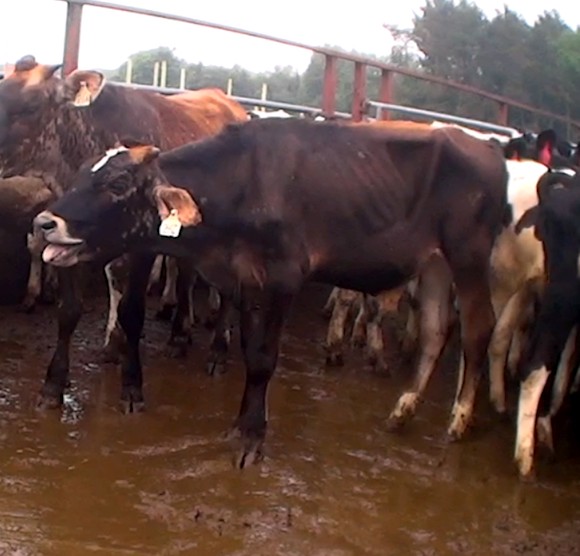
hunter
(40,852 posts)... and horrible for the natural environment as well.

Chakaconcarne
(2,799 posts)
Kick in to the DU tip jar?
This week we're running a special pop-up mini fund drive. From Monday through Friday we're going ad-free for all registered members, and we're asking you to kick in to the DU tip jar to support the site and keep us financially healthy.
As a bonus, making a contribution will allow you to leave kudos for another DU member, and at the end of the week we'll recognize the DUers who you think make this community great.