General Discussion
Related: Editorials & Other Articles, Issue Forums, Alliance Forums, Region Forums
This tree has lived for at least 13,000 years. California's housing crisis could doom it.

The Jurupa Oak is older than almost any other plant on Earth. Soon it may face off with a business and housing development.
https://www.washingtonpost.com/climate-environment/2024/07/04/jurupa-oak-tree-development-california/
https://archive.ph/CrGKk
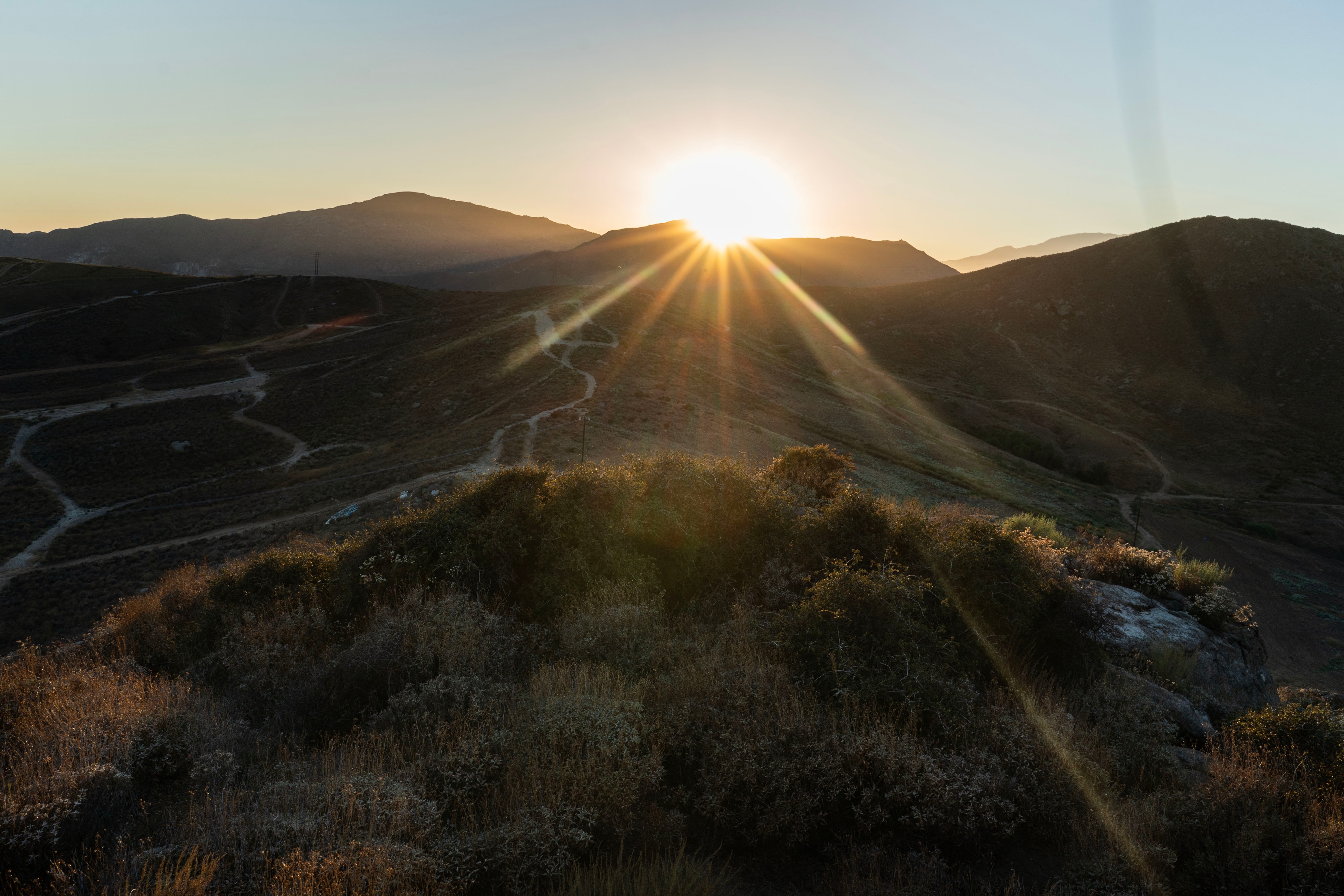
The Jurupa Oak, looking like a sprawling shrub on a rocky outcropping, is estimated to be 13,000 to 18,000 years old and the third-oldest living plant on Earth. (Melina Mara/The Washington Post)
JURUPA VALLEY, CALIF. — At first glance, one of the world’s oldest living organisms doesn’t look like much — a collection of shrubs nestled atop a hill in a rocky gully. But those shrubs are just the crown of a giant, spreading oak tree, 90 feet long and 30 feet wide. Most of the tree is underground. Estimated to be 13,000 to 18,000 years old, the tree — known as the Jurupa Oak — is older than almost any other plant on Earth. It has survived an ice age and rapid climate warming. Its leaves may have brushed against saber-toothed cats and 500-pound ground sloths.
But now, environmentalists and locals worry that the ancient tree is under threat from a more quotidian force in modern California: development. The Planning Commission of Jurupa Valley, a city of 100,000 an hour east of Los Angeles, is poised to approve a 1.4-square-mile development that includes a business park, 1,700 homes and an elementary school. Light-industry buildings would stand just a few hundred feet from the ancient tree. The city believes that the project will boost the local economy. The site’s developer has said it plans to protect the tree, but environmentalists believe that the construction and resulting development could be deadly to the Jurupa Oak.
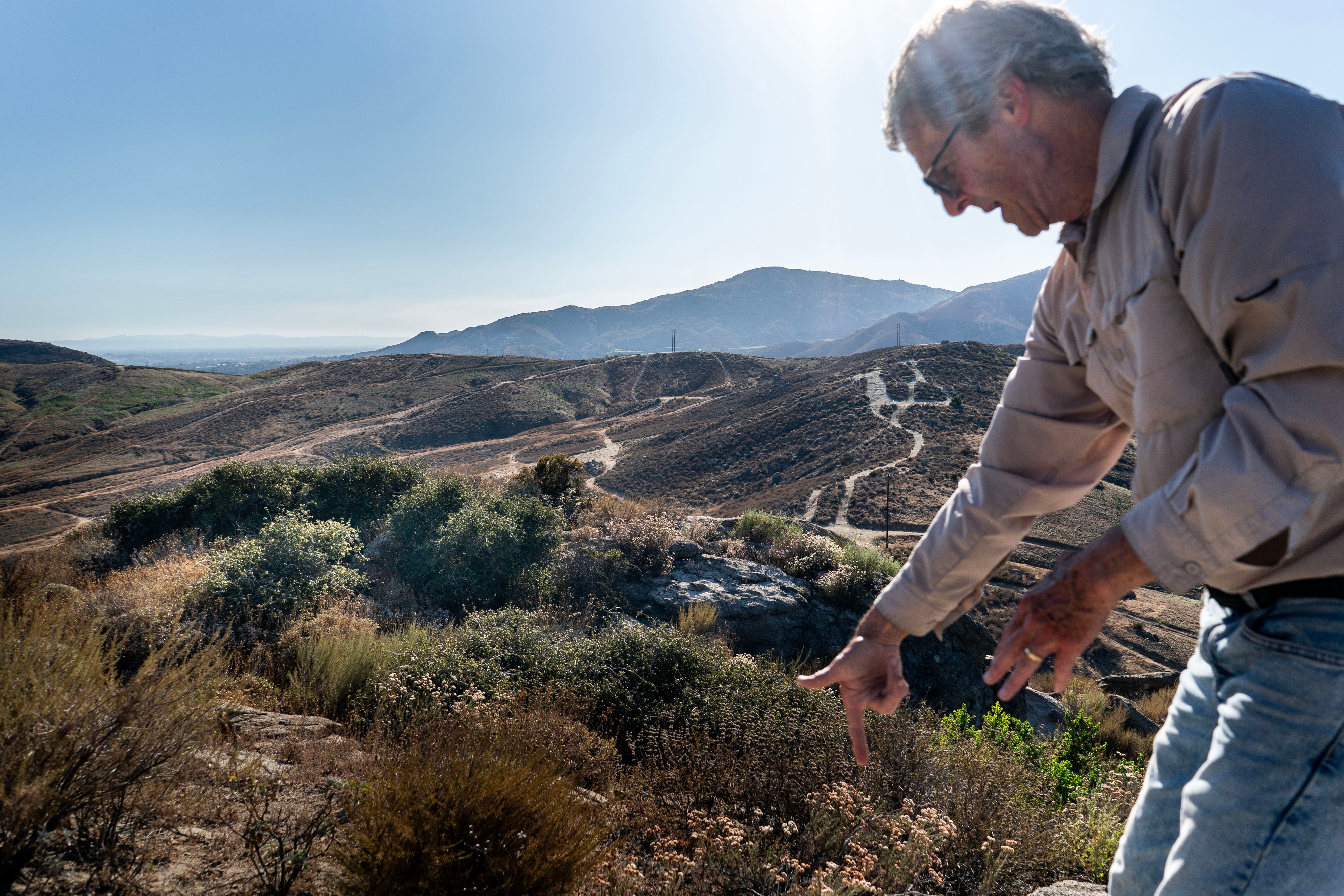
Tim Krantz, conservation director for the Wildlands Conservancy, points down toward the crown and root system of the Jurupa Oak. (Melina Mara/The Washington Post)
“It’s unique among most things on the planet,” said Aaron Echols, conservation chair for the Riverside-San Bernardino chapter of the California Native Plant Society. “We need to be absolutely sure that we’re not going to cause harm to this plant.” The tree has plunged the Jurupa Valley into an ongoing debate in California: How to balance the state’s growth and need for housing with protecting its rich biodiversity?
Think about the oldest tree on Earth and you may picture a bristlecone pine known as “Methuselah” and estimated to be close to 5,000 years old. The Jurupa Oak fits into a different category: It’s a Palmer’s oak, which is a species of “clonal tree,” a network of genetically identical shrubs connected through a shared root system. Unlike in normal trees, none of the original tissue is still present; instead, after a wildfire, the tree will spring out new, genetically identical shoots from burned stumps.
snip
 = new reply since forum marked as read
Highlight:
NoneDon't highlight anything
5 newestHighlight 5 most recent replies
= new reply since forum marked as read
Highlight:
NoneDon't highlight anything
5 newestHighlight 5 most recent replies

diva77
(7,880 posts)
canetoad
(21,294 posts)That will leave the tree in peace AND provide housing, jobs and the *all important lift to the economy. Just haven't looked hard enough for it.

hunter
(40,990 posts)There's plenty of room available on land humans have already trashed.
We ought to be rebuilding our existing cities, turning them into attractive affordable places where car ownership is unnecessary.


swong19104
(688 posts)will be solved by building more densely in and around established areas. There's no reason to build anywhere near Jurupa Valley.
When building densely, there's economies of scale and reduction in the use of resources. California can easily handle an extra million or ten people without having any negative effects on fragile ecosystems.
The only problem is that NIMBYs refuse to let people build in their backyards. They're the problem. They want sprawl. They want people to building and live "there". They want single family homes as far as the eye can see. That is what can cause destruction of fragile ecosystems.

The Wandering Harper
(915 posts)I was about 5 when my mom was taking some classes a few blocks from where we lived.
She often had difficulty procuring childcare so I often went with her.
But it wasn't bad. It was an old building with pleasant architecture.
There was a nice meadow out back. I spent most of my time there,
chasing grasshoppers. One day we arrived, I went out back looking forward to some good times.
Rip! I was almost as demolished as the meadow now was.
I found no grasshoppers.
I did find a dead mouse torn in half presumably by whatever had ripped up the meadow.
Somehow I hoped the meadow would be a meadow again next week.
5-year-old wishful thinking.
Next week it was a full fledged parking lot.
I hate cars.