So, How Much of Korematsu Did the Supreme Court "Overrule," Exactly? - Balls and Strikes
Balls and Strikes
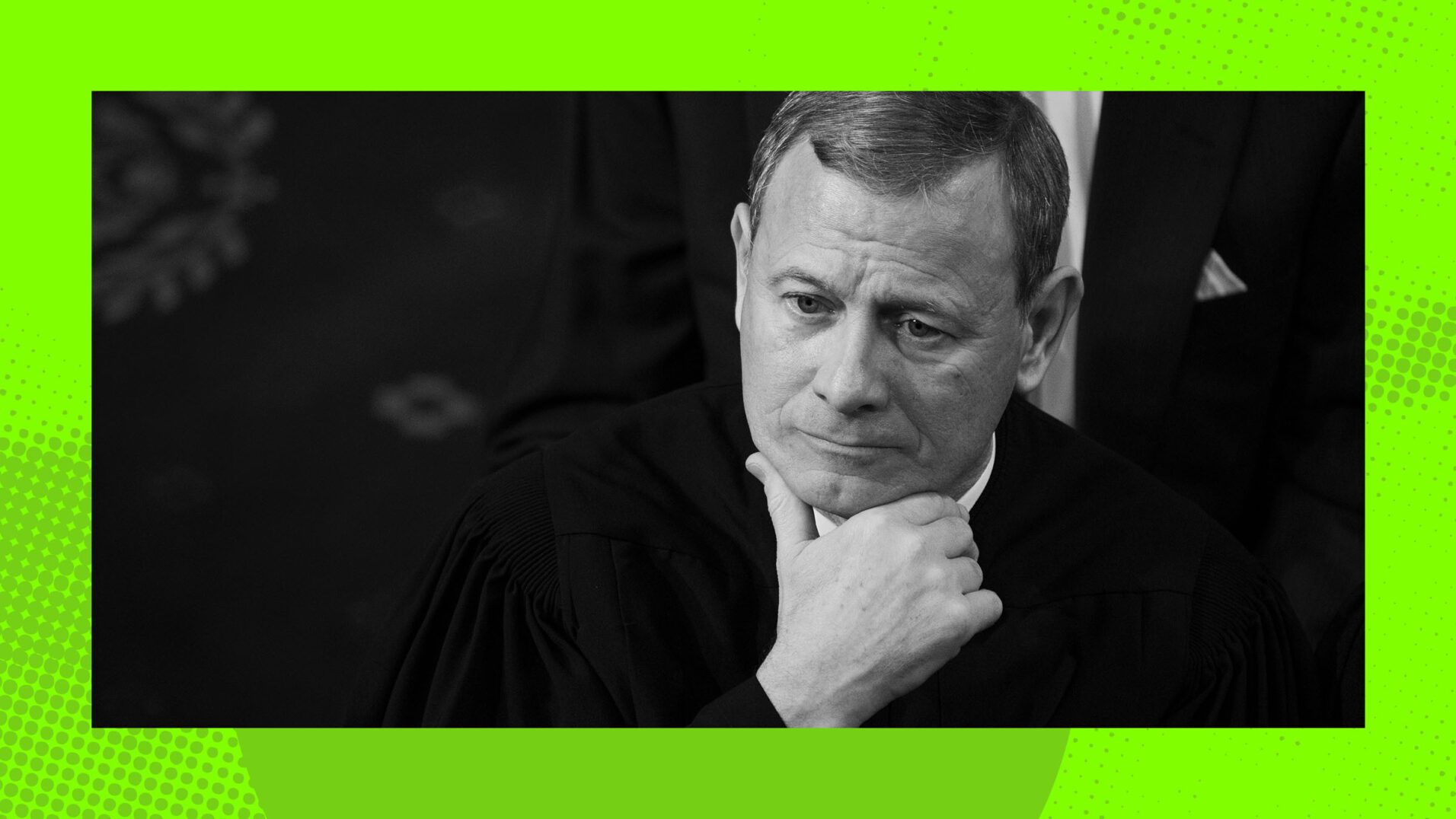
Last week, the Republican men on the Supreme Court lifted a lower court order that had temporarily blocked the Trump administration from renditioning Venezuelan migrants to a Salvadoran prison. The Court decided the case,
Trump v. JGG, without merits briefing or oral argument, and with only an unsigned, four-paragraph opinion to show for itself.
Justice Ketanji Brown Jackson criticized the majority’s “fly-by-night approach” in a standalone dissent. “At least when the Court went off base in the past, it left a record so posterity could see how it went wrong,” she said, citing the Court’s 1944 opinion in
Korematsu v. United States.
That case,
Korematsu, is a historically bad decision from which the Supreme Court has yet to learn. In 1942, President Franklin Delano Roosevelt signed an executive order authorizing the forcible relocation and confinement of American residents with Japanese ancestry. Approximately 120,000 Japanese Americans living on the West Coast, including around 70,000 American citizens, were pushed inland into remote, military-operated camps. Another 3,000 people with Japanese ancestry living in Latin America were relocated to the United States for internment at the government’s request.
Fred Korematsu, a native-born American citizen of Japanese descent, was convicted for not reporting to a concentration camp as directed. He challenged his conviction, but in
Korematsu, the Supreme Court upheld it by a 6-3 vote. “The military authorities considered that the need for action was great, and time was short,” wrote Justice Hugo Black for the Court.
