What Trump Learned From Silicon Valley

Arguably the most lucrative innovation to come out of Silicon Valley in the past decade and a half has been a willingness to break the law. The conscious decision to defy existing regulation—frequently by reference to “blitzscaling,” a strategy of rapidly expanding businesses promoted by LinkedIn co-founder Reid Hoffman—is now the easiest way to find success in America’s crowded startup economy.
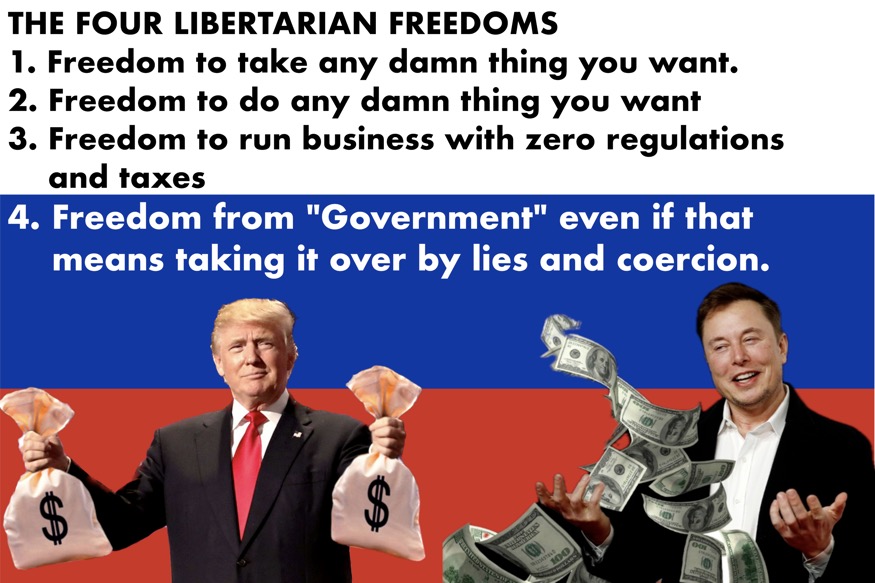
Blitzscaling, exemplified by Uber and other venture capital–backed tech companies, is now being put to use by the Trump administration and its techno-fascist staffer class. Much like Silicon Valley investors, administration officials have learned that the structures governing the American economy and its liberal democratic order are no match for unadulterated speed. Like Uber, the Trump administration has found regulators, law enforcement, and courts asleep at the switch, unwilling to fight to enforce the most basic of guardrails. By blowing past the laws that stand in the president’s way, the administration is hoping to bring about an end to those laws altogether, and unilaterally reshape the country. If Democrats seek to restore order in a post-Trump world, they must also take aim at corporate impunity.
Far too often, blitzscaling has become a euphemism for a three-step process of building a tech giant through intentionally flouting the law. The process is simple: (1) Introduce a tech product that circumvents the law, claiming your technology exempts you from existing regulation; (2) Use the competitive advantage that lawlessness provides to rapidly scale up your business so that you can; (3) Use the newfound incumbency, clout, and money to preempt enforcement and/or modify the law, often advocating for changes to ostensibly protect consumers, while actually codifying that the tech industry gets to play by different rules.
This was the model pioneered by Uber as it muscled its way into taxi markets across the U.S. and the globe. The company was not the first to use a GPS-enabled smartphone app as a means of calling a taxi—its true innovation was instead flagrant disregard of existing taxi regulations and employment law, most notoriously with its “Greyball” tool that prevented regulators and law enforcement from using the app. (After this scandal broke, Uber said it shut down the tool.) This allowed the company to circumvent licensing laws that limited the number of drivers on the road, fare and vehicle inspection requirements, and other regulations.
https://prospect.org/power/2025-08-20-what-trump-learned-from-silicon-valley/

 = new reply since forum marked as read