For young people, AI is now a second brain - should we worry?
 As a resident tutor, I’ve seen how students are using AI as more than a tool. It’s a psychological shift we’ll soon all make
https://psyche.co/ideas/for-young-people-ai-is-now-a-second-brain-should-we-worry
As a resident tutor, I’ve seen how students are using AI as more than a tool. It’s a psychological shift we’ll soon all make
https://psyche.co/ideas/for-young-people-ai-is-now-a-second-brain-should-we-worry
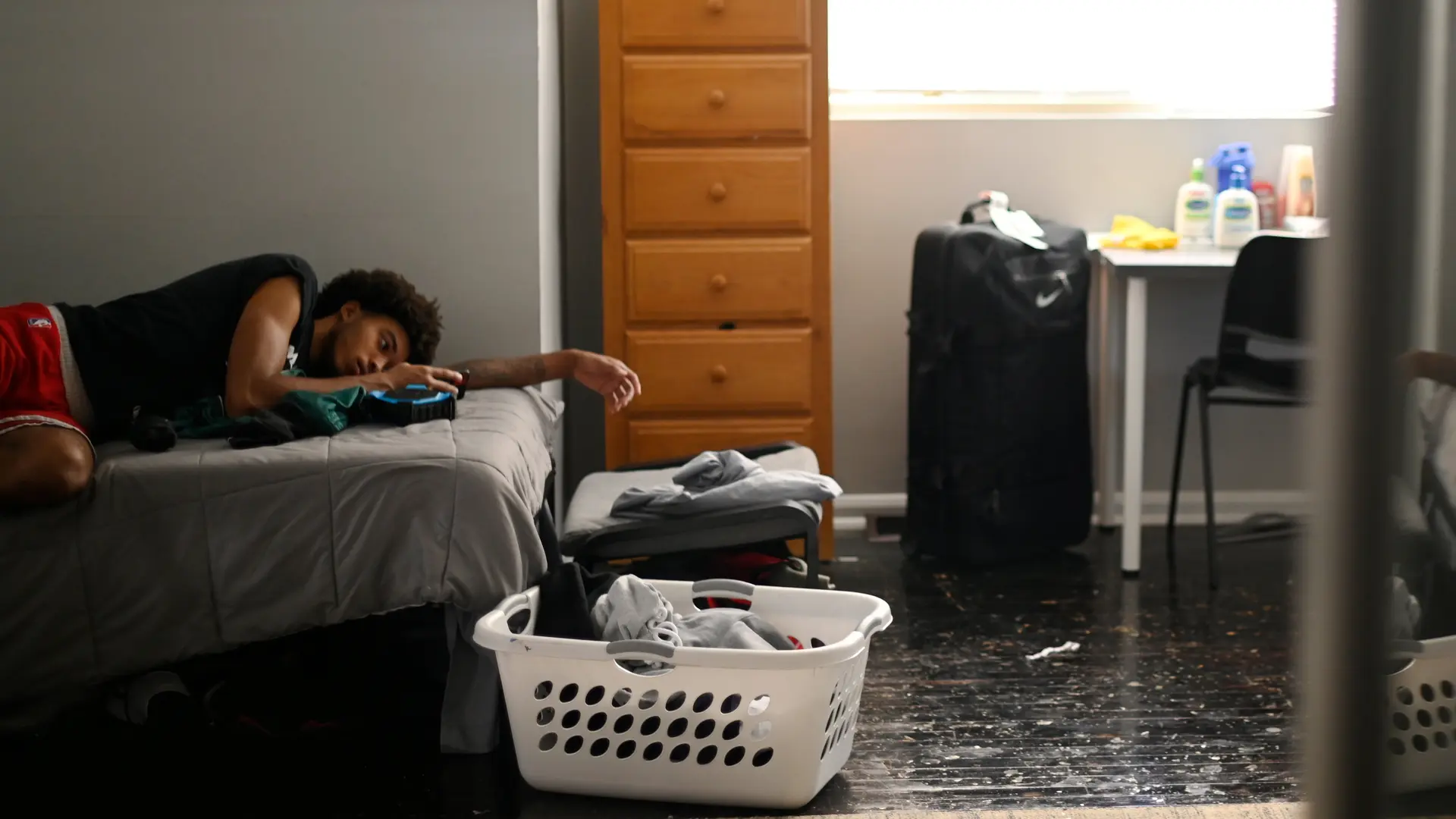 Photo by Hyoung Chang/The Denver Post/Getty
‘ChatGPT thinks my crush is sending mixed signals,’ my student said, sounding half-amused, half-exasperated. I must have looked surprised, because she quickly added: ‘I know it’s ridiculous. But I copy our texts into it and ask what he really means.’ She admitted that she’d even asked it to help her write a response that would appear less eager, more detached. ‘Basically,’ she said, ‘I use it to feel like I’m not overreacting.’ In that moment, I realised that she wasn’t asking AI to tell her what to do. She was asking it to help her feel more in control.
As a resident tutor who shares a dorm with more than 400 university students, I’ve always been surprised by how much they’re willing to share. Coming into the role, I anticipated conversations about classes, time management, maybe the occasional late-night paper crisis. Instead, we talk about everything: breakups, friendships, fears and family tensions. My role is to be a calm, trusted presence – someone who helps students arrive at their own conclusions. I ask questions, offer perspectives, try to guide them through their own uncertainty. Lately, however, I’ve noticed a new presence in these conversations. Students aren’t just running their thoughts by me. They’re running them by AI.
At first, I assumed they were just casually using AI tools to summarise readings, outline syllabi and for other pragmatic tasks. But, increasingly, I’m seeing something else entirely. Tools like ChatGPT are also becoming emotional companions for the young adults I know: helping them write difficult messages, reframe their thoughts, even process grief. It seems that AI is becoming an active participant in the interior lives of young people, rather than just a productivity shortcut.
Though it might be tempting to dismiss this as a passing trend, the speed and ubiquity of AI adoption is
unparalleled, and students often act as cultural pioneers. In my experience, older adults tend to see AI strictly as a tool – something to help draft emails or automate routine tasks. Students’ adoption of AI into their daily lives feels more natural. Its involvement in the ways they juggle identity, intimacy, ambition and uncertainty might be an early glimpse of what most people’s relationships with these tools will look like in the years to come.
snip

 = new reply since forum marked as read