Welcome to DU! The truly grassroots left-of-center political community where regular people, not algorithms, drive the discussions and set the standards. Join the community: Create a free account Support DU (and get rid of ads!): Become a Star Member Latest Breaking News Editorials & Other Articles General Discussion The DU Lounge All Forums Issue Forums Culture Forums Alliance Forums Region Forums Support Forums Help & Search
 

insta8er

(960 posts)
Sun May 22, 2016, 04:27 AM May 2016

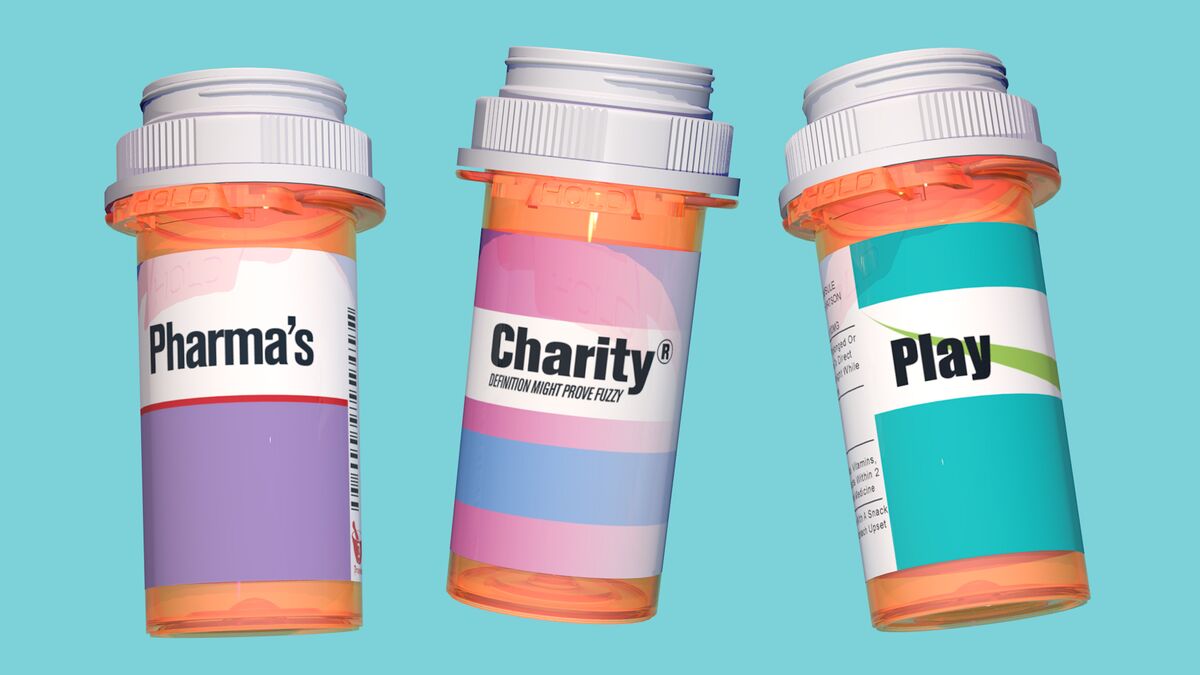
How Big Pharma Uses Charity Programs to Cover for Drug Price Hikes

A billion-dollar system in which charitable giving is profitable.


In August 2015, Turing Pharmaceuticals and its then-chief executive, Martin Shkreli, purchased a drug called Daraprim and immediately raised its price more than 5,000 percent. Within days, Turing contacted Patient Services Inc., or PSI, a charity that helps people meet the insurance copayments on costly drugs. Turing wanted PSI to create a fund for patients with toxoplasmosis, a parasitic infection that is most often treated with Daraprim.
Having just made Daraprim much more costly, Turing was now offering to make it more affordable. But this is not a feel-good story. It’s a story about why expensive drugs keep getting more expensive, and how U.S. taxpayers support a billion-dollar system in which charitable giving is, in effect, a very profitable form of investing for drug companies—one that may also be tax-deductible.


PSI, which runs similar programs for more than 20 diseases, jumped at Turing’s offer and suggested the company kick things off with a donation of $22 million, including $1.6 million for the charity’s costs. That got Turing’s attention. “Did you see the amounts??? $22MM!!!” wrote Tina Ghorban, Turing’s senior director of business analytics, in an e-mail to a colleague. (The document was obtained by congressional investigators looking into the company’s pricing.) Turing ultimately agreed to contribute $1 million for the patient fund, plus $80,000 for PSI’s costs.
PSI is a patient-assistance charitable organization, commonly known as a copay charity. It’s one of seven large charities (among many smaller ones) offering assistance to some of the 40 million Americans covered through the government-funded Medicare drug program. Those who meet income guidelines can get much or all of their out-of-pocket drug costs covered by a charity: a large initial copay for a prescription, another sum known as the coverage gap or the donut hole, and more-modest ongoing costs. It adds up fast. After Turing raised Daraprim’s price, some toxoplasmosis patients on Medicare had initial out-of-pocket costs of as much as $3,000.

http://www.bloomberg.com/news/articles/2016-05-19/the-real-reason-big-pharma-wants-to-help-pay-for-your-prescription
1 replies = new reply since forum marked as read

Highlight: NoneDon't highlight anything 5 newestHighlight 5 most recent replies
How Big Pharma Uses Charity Programs to Cover for Drug Price Hikes (Original Post) insta8er May 2016 OP
crooks r crooks and thieves r thieves dembotoz May 2016 #1

Kick in to the DU tip jar?

This week we're running a special pop-up mini fund drive. From Monday through Friday we're going ad-free for all registered members, and we're asking you to kick in to the DU tip jar to support the site and keep us financially healthy.

As a bonus, making a contribution will allow you to leave kudos for another DU member, and at the end of the week we'll recognize the DUers who you think make this community great.

Tell me more...

Latest Discussions»General Discussion»How Big Pharma Uses Chari...