
Study Shows Covid-19 Antibodies Waning Over Time, Suggesting Immunity May Wear Off
Source: MSN/The Wall Street Journal
LONDON—A large English study showed the number of people with Covid-19 antibodies declined significantly over the summer, suggesting that getting the virus may not confer long-lasting immunity from future infection.
The survey of 365,000 adults in England who tested themselves at home using a finger-prick test showed the proportion of people testing positive for Covid-19 antibodies declined by 26.5% between June 20—12 weeks after the peak of infections in the country—and Sept. 28.
The results also suggested that people who didn’t display symptoms were likely to lose detectable antibodies before those who had showed symptoms. The study, conducted by Imperial College London and the Ipsos Mori polling organization, was funded by the British government, which announced the results and published the study on Monday night. The results haven’t yet been reviewed by other experts.
Doctors don’t yet know whether antibodies confer any effective immunity against reinfection by Covid-19. But even if they do and the results of this survey are confirmed, it suggests the prospect of widespread long-term herd immunity to the virus will be difficult to achieve. Herd immunity occurs when enough people in a population develop an immune response, either through previous infection or vaccination, so that the virus can’t spread easily and even those who aren’t immune have protection.
Read more: https://www.msn.com/en-us/health/medical/study-shows-covid-19-antibodies-waning-over-time-suggesting-immunity-may-wear-off/ar-BB1aqa1Z
Findings showed 18-24 year olds lost antibodies at a slower rate than persons aged 75 and over. The smallest decline of 14.9% was of people aged between 18 and 24 years, and the largest decline of 29% was of people aged 75 and over.
The study reflects earlier smaller trials and suggests that antibodies to the virus decline over 6-12 months after infection, as in other seasonal coronaviruses such as the common cold. The study doesn’t indicate whether other types of immune responses—such as that contributed by so-called T cells—would help protect against reinfection.
- Read Also: 'Covid: Antibodies 'fall rapidly after infection,' BBC News, Oct. 26, 2020
https://www.bbc.com/news/health-54696873
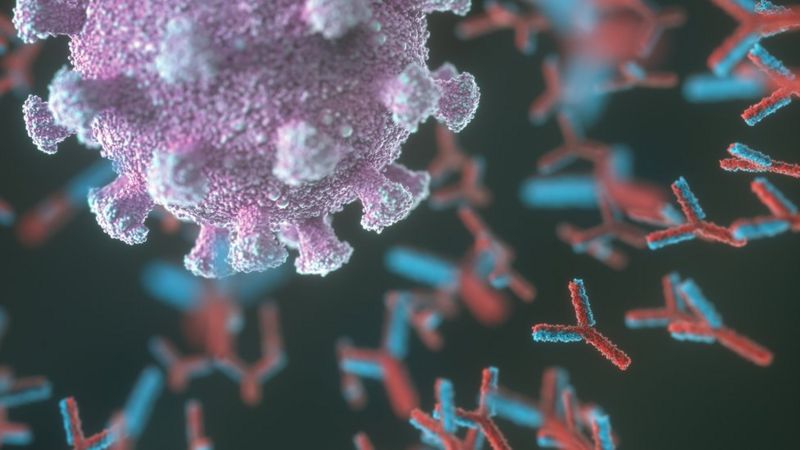
- Y-shaped antibodies stick to the surface of viruses to stop them infecting the body's cells.
 = new reply since forum marked as read
Highlight:
NoneDon't highlight anything
5 newestHighlight 5 most recent replies
= new reply since forum marked as read
Highlight:
NoneDon't highlight anything
5 newestHighlight 5 most recent replies
Baclava
(12,047 posts)
Aussie105
(8,180 posts)In Australia, I get the annual free one. Over 65s, and a few other groups, get it free.
Those who pay, pay a token trivial amount. We have something called the PBS, the Pharmaceutical Benefits Scheme, where the cost to the end user is fixed and the rest of the actual cost picked up by the government.
Each prescription filled by a pharmacy has two prices on it - cost to the customer, actual cost.
Examples:
Metformin: $16.71 actual cost, $5.60 to the pensioner end user.
Asmol puffer: $20.40 and $5.60
On top of that, your annual costs are capped. Go over that amount, and medicines are free. Or for working people, significantly reduced.
Seniors like myself get the 'super brew' flu shot, covers all the current nasties and some minor strains.
Haven't had the flu or even the winter sniffles for years.

Brainfodder
(7,781 posts)

DeminPennswoods
(17,583 posts)It's not clear if this study relied on the same people testing themselves over time or if it's a random set of people. Unless they're following the same group, hard to validate how long anti-bodies last.
Anecdotally, way back at the beginning, had a conversation with another shopper at the grocery store. This shopper told me daughter's hubby worked for the CDC and was stationed in a southern state. The son-in-law said ultimately protection for covid19 would be included in the annual flu shot. That's looking fairly precient if this study is accurate.

gab13by13
(32,767 posts)we get a flu shot every year because, one reason, the flu has 400 different mutations, although their are a handful of basic strains. Covid-19 has shown to have mutated and I am only an internet virus doctor, but it stands to reason that a person who has antibodies can become infected with a different strand regardless of how long the antibodies last. Maybe a real doctor can correct me.
It seems obvious to me that Covid-19 vaccines will have to be given annually. People are under the false assumption that a vaccine is a cure.
Aussie105
(8,180 posts)But remember some diseases require a booster shot or two after the initial vaccination.
COVID-19 vaccines may well be the same. Initial shot, followed by boosters.
Rinse and repeat when a new strain invades your suburb.
And it may be on a shorter term basis than one year.
As you say, a vaccine is not a cure. Once you get it, a vaccine will do nothing.
eg Tetanus: vaccine to prevent it, but if you have it, a large dose of antibodies is given.

bucolic_frolic
(55,818 posts)A few people deserve it twice.
Aussie105
(8,180 posts)That was never a viable or humane concept anyway.
Once an effective vaccine is developed, it will be a similar situation as with the flu.
Annual vaccinations, or even more frequent, with a 'catch up' game trying to stay up to date with the vaccine as new strains show up.
But yes, a vaccine! Need it ASAP! Billions of doses!
(The treatment Donald J Trump got doesn't qualify for large scale application.)

forgotmylogin
(7,964 posts)Other countries are mandating masks. Smaller geographic locations hit hard initially before us who thought they had it under control may be seeing the effects of natural antibodies wearing off and people getting sick again, or at least spreading it again.

ProfessorGAC
(77,277 posts)...the study doesn't include determining if memory T-cells were still effectively creating immunity.
It's stated specifically that they did not research that.
Memory t-cells are at least as important as the antibodies themselves in providing long term immunity.
Despite the size of this study, it's not a definitive result.
scipan
(3,104 posts)Studies of patients who became infected with SARS-CoV in 2003 suggested that the infection induced durable T cell responses lasting for 6 years but no long-term memory B cells9.
https://www.nature.com/articles/s41577-020-00436-4
That's a good indicator of how long immunity probably lasts in covid19, IMHO.
flying_wahini
(8,281 posts)After the next exposure your body will replenish/build up and duplicate antibodies
you already have. The next time you get it may not be so severe.
As the article states the problem if is there is just enough mutation of the CV flu gene it will
require a flu shot every year.

FakeNoose
(42,409 posts)Instead of getting a flu shot every year, we'll need a flu shot and a Covid shot.
Maybe?



Kick in to the DU tip jar?
This week we're running a special pop-up mini fund drive. From Monday through Friday we're going ad-free for all registered members, and we're asking you to kick in to the DU tip jar to support the site and keep us financially healthy.
As a bonus, making a contribution will allow you to leave kudos for another DU member, and at the end of the week we'll recognize the DUers who you think make this community great.