Welcome to DU!
The truly grassroots left-of-center political community where regular people, not algorithms, drive the discussions and set the standards.
Join the community:
Create a free account
Support DU (and get rid of ads!):
Become a Star Member
Latest Breaking News
Editorials & Other Articles
General Discussion
The DU Lounge
All Forums
Issue Forums
Culture Forums
Alliance Forums
Region Forums
Support Forums
Help & Search
Science
Related: About this forum
Africa's strangest trees are stranger than thought--and they're dying mysteriously

By Elizabeth PennisiJun. 11, 2018 , 11:00 AM
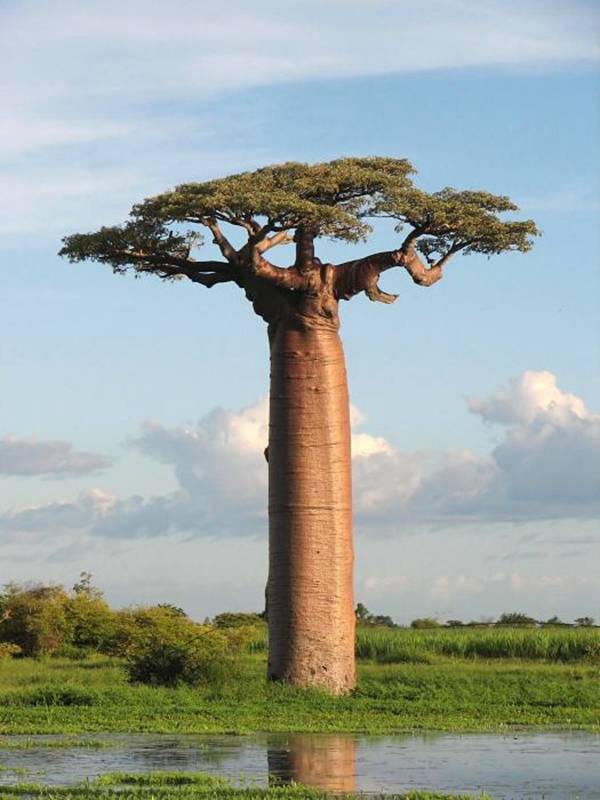
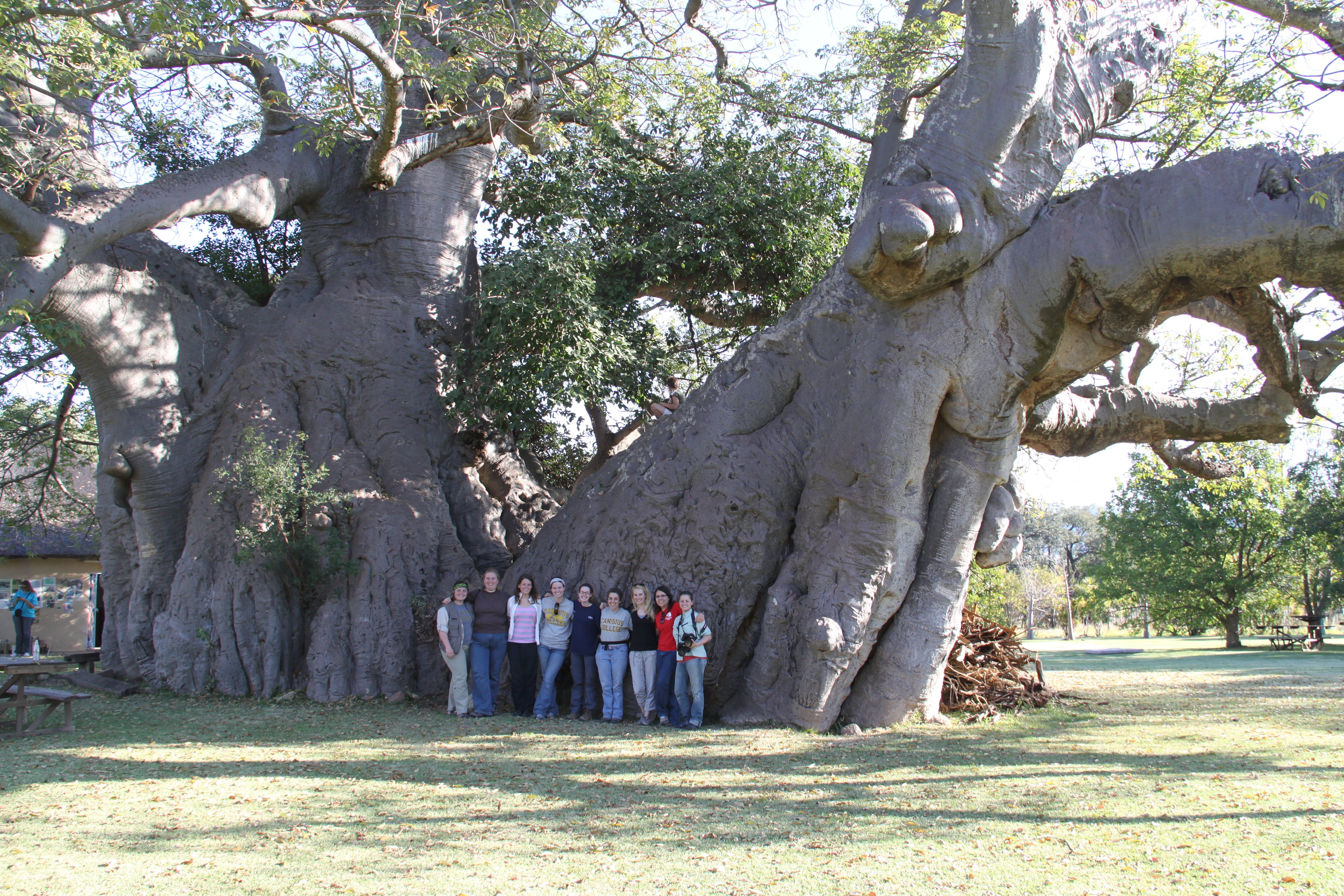
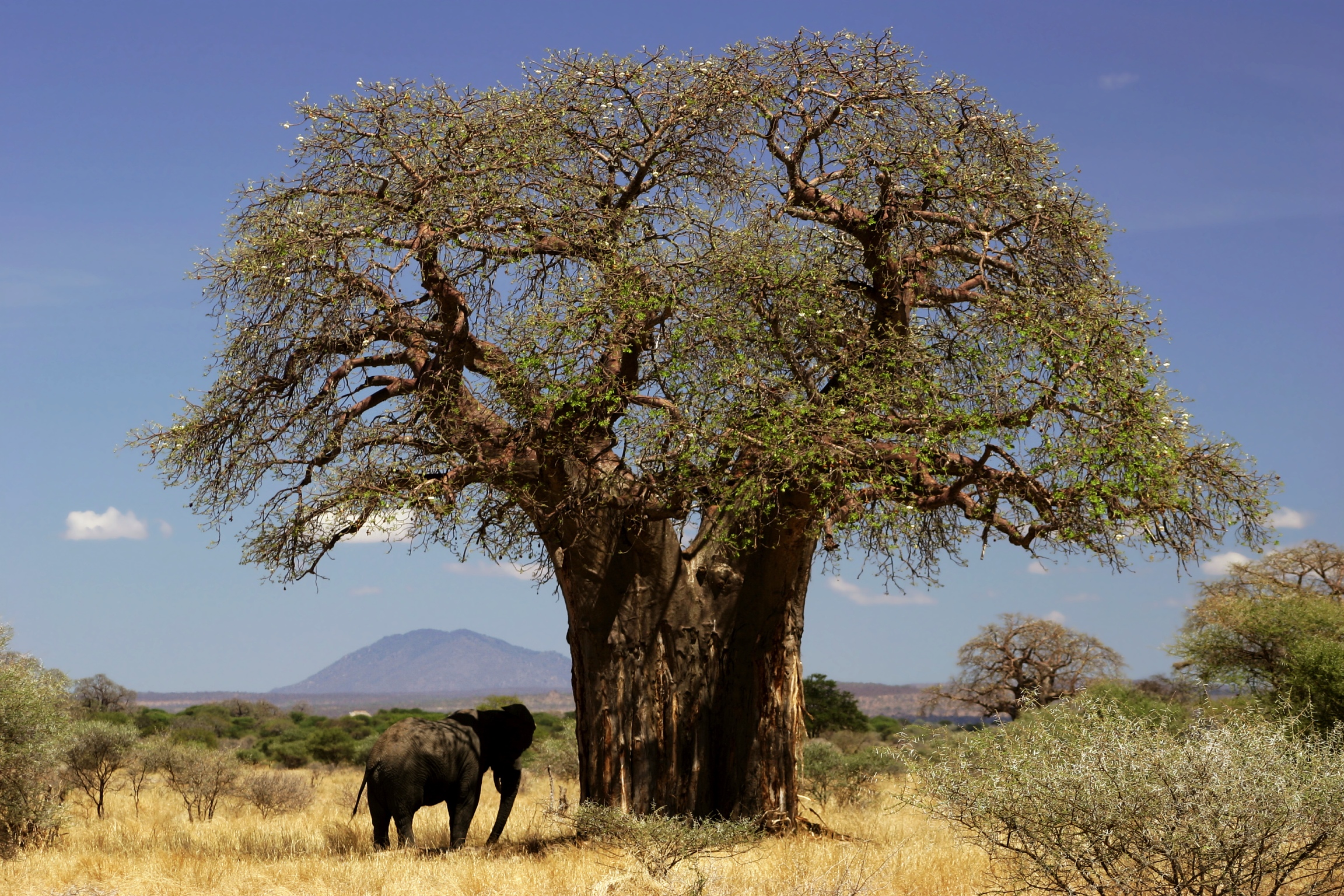
Africa’s baobab tree looks like something from a Dr. Seuss book. When young, the species (Adansonia digitata) is single-stemmed, branchless, and sports fruit that resembles giant sausages. Now, researchers report things get even weirder as the tree grows older. Over its lifetime, its roots send up several more stems in a ring, which eventually fuse to form a cavity “inside” big enough for bars, churches, or prisons for people, and refuges for animals seeking relief from the hot sun. The work also addresses the mystery of why so many of these strange trees are dying.
To conduct the study, researchers combed books, articles, and the internet and asked local Africans in order to locate the biggest baobabs. The team leader is a nuclear chemist who loved giant trees and had developed a way to date ancient trunks without harming them. The scientists considered baobabs a good challenge because others had said wood was difficult to determine the age of. The team dated more than 60 of the trees, revealing that—unlike most other trees—the baobab grows new trunks, instead of branches, which eventually create their giant, hollow interiors.
Some of these trees are more than 2000 years old, the team reports today in Nature Plants. But in 2011 the oldest known specimen—a shrine for rainmakers named Panke that sprouted about 2450 years ago—died and toppled over. And now seven more of the 13 oldest trees, and five of the six biggest trees, have also died, the researchers report.
More:
http://www.sciencemag.org/news/2018/06/africa-s-strangest-trees-are-stranger-thought-and-they-re-dying-mysteriously


- click for image -
http://2.bp.blogspot.com/-XErDgEmazwM/UXZaU_h9dcI/AAAAAAAARHg/vQ6L-yml_2M/s1600/baobab+tree.jpg
- click for image -
http://2.bp.blogspot.com/-3dZt2N20K_k/UgMvTJmKDBI/AAAAAAAABDQ/z7lY78ZR9GM/s1600/Adansonia+grandidieri+-+Grandidier%27s+baobab+09.jpg
6 replies
 = new reply since forum marked as read
Highlight:
NoneDon't highlight anything
5 newestHighlight 5 most recent replies
= new reply since forum marked as read
Highlight:
NoneDon't highlight anything
5 newestHighlight 5 most recent replies
= new reply since forum marked as read
Highlight:
NoneDon't highlight anything
5 newestHighlight 5 most recent replies
Africa's strangest trees are stranger than thought--and they're dying mysteriously (Original Post)
Judi Lynn
Jun 2018
OP

Glorfindel
(10,175 posts)1. Baobab trees in Florida...

Callmecrazy
(3,069 posts)4. I've seen these trees...
They're amazing.

locks
(2,012 posts)2. Thanks for this
I saw the baobob trees in Kenya; they are magnificent. I was in Paris during the Vietnam war when a great female leader said "You are destroying our beautiful green garden". Now we are destroying our beautiful green planet.

bronxiteforever
(11,212 posts)3. Kick and recommend for visibility
Heartbreaking.

wishstar
(5,826 posts)5. These trees can be seen in Honolulu Hawaii also
amazing
Picaro
(2,385 posts)6. Recommend The Overstory by Richard Powers
This is a fictional treatment of the magic and mystery of trees and forests.
Set in North America (U.S. really) it doesn’t touch on the baobob and is a bit depressing.
Those that are fighting are waging an almost hopeless rear guard action against the massive dreadnought of global capitalism.
But worrh the read.
I’m currently in Massachusetts and the trees are back after the clear cutting the 17th and early 19th centuries.
Time is our main ally.