Anthropology
Related: About this forum
Photos: Carvings Depict Maya Ballplayers in Action
By Laura Geggel September 29, 2017
(Image credit: Photo by Christopher R. Andres; Copyright Antiquity)
Two large stone carvings, each the size of a breakfast table, depict an incredible action scene: Maya ballplayers lunging forward, wearing distinctive ballplayer belts.
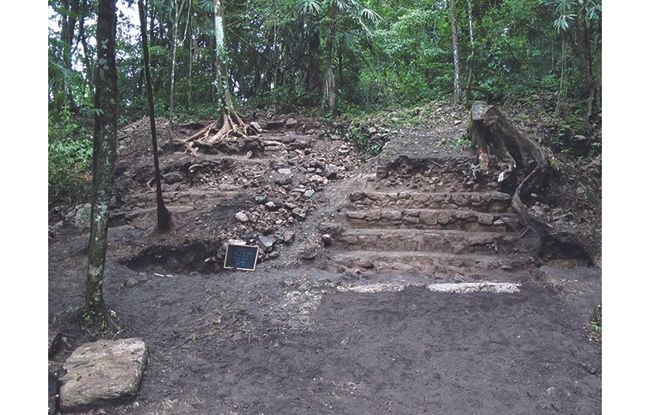
Archaeologists discovered these two limestone monuments in Tipan Chen Uitz in 2015, just six years after locals showed them the remains of the enormous Maya polity, which had previously been undocumented by modern archaeologists.
The stone panels reinforce the ballgame's importance to the Maya, and details within them suggest that Tipan was connected with other, larger Maya sites when it was populated hundreds of years ago, the researchers said. [Read the full story about the Maya ballplayer panels]

(Image credit: Copyright Antiquity)
Archaeologists learned about Tipan Chen Uitz from locals in Belize who showed them the site in 2009.
"We were taken to the site, and lo and behold, it greatly exceeded our expectations," said study senior researcher Christopher Andres, an adjunct research associate at Michigan State University who specializes in Maya archaeology. "It's a very large site, a major Maya political center."
More:
https://www.livescience.com/60557-photos-maya-ballplayers-tipan.html
 = new reply since forum marked as read
Highlight:
NoneDon't highlight anything
5 newestHighlight 5 most recent replies
= new reply since forum marked as read
Highlight:
NoneDon't highlight anything
5 newestHighlight 5 most recent replies

Vogon_Glory
(10,396 posts)Will they have any pre-Colombian names up for nomination?


wnylib
(26,585 posts)customs these days. There were religious connotations to the games related to gods of the underworld. Depending on location and occasion, the loser often was decapitated.
The games started with an earlier civilization, the Olmecs. The Maya and later, the Aztecs picked up the custom. Before their decline, the games had turned into gladiator style battles, using captives to literally surrender their heads as sacrifices when they lost.