What it means when Jacinda Ardern calls time [View all]
 Jacinda Ardern’s resignation reflects the tough headwinds young progressive women face as political leaders.
https://www.socialeurope.eu/what-it-means-when-jacinda-ardern-calls-time
Jacinda Ardern’s resignation reflects the tough headwinds young progressive women face as political leaders.
https://www.socialeurope.eu/what-it-means-when-jacinda-ardern-calls-time
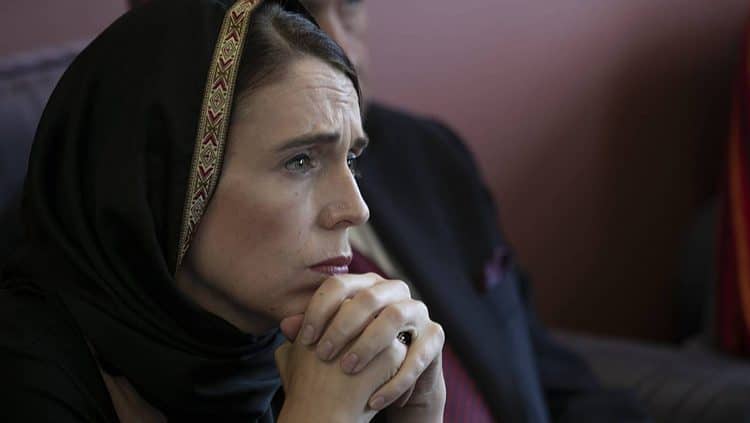 Never struggled to do human: Jacinda Ardern in Christchurch in the wake of the massacre of Muslim worshippers
Last Thursday Jacinda Ardern, the New Zealand prime minister, announced at the first Labour parliamentary party meeting of the year that she would be stepping down,
saying she no longer had ‘enough in the tank’ to do the job. This in an election year with Labour languishing in the polls.
At the same time, she announced that the triennial parliamentary election due this year would take place on October 14th. Under Labour Party rules, the timing of the announcement of her retirement in relation to the election date allowed the parliamentary party (‘the caucus’) to decide her successor, as long as it could realise a two-thirds majority. The caucus has since selected
Chris Hipkins as prime minister and
Carmel Sepuloni, of Pacifika heritage, as deputy.
How did it come to this, that a political leader once widely applauded, at home and abroad, has decided to step down before her term is up? And are there lessons to be learned about the role of female leaders—particularly those who are young and left of centre—in an era when democracies
can be under threat, populism is often
on the rise and the expectations and demands of leaders are high?
Empathetic and humanitarian
Ardern, at 37, was the youngest female prime minister to come to power in the country when her party entered a coalition with the
New Zealand First (NZF) party in 2017. She was young, unmarried, a superb communicator and committed to a more empathic and humanitarian style of leadership and government, with a constituency drawing on youth, women, public-sector workers, urban professionals and Pacific Island and Maori voters. NZF, by contrast, was a populist, centrist party with a determination to deliver to the regions of New Zealand, the elderly and some special-interest groups.
snip

 = new reply since forum marked as read