Welcome to DU!
The truly grassroots left-of-center political community where regular people, not algorithms, drive the discussions and set the standards.
Join the community:
Create a free account
Support DU (and get rid of ads!):
Become a Star Member
Latest Breaking News
Editorials & Other Articles
General Discussion
The DU Lounge
All Forums
Issue Forums
Culture Forums
Alliance Forums
Region Forums
Support Forums
Help & Search
General Discussion
In reply to the discussion: 30 years on, whose side of this NAFTA debate would you support [View all]
Celerity
(53,552 posts)16. The Problems With NAFTA
NAFTA's 6 Most Negative Effects

The North American Free Trade Agreement (NAFTA) was replaced by the United States-Mexico-Canada (USMCA) agreement as of July 1, 2020. While it accomplished some good things for the economy, NAFTA also had six major weaknesses. These disadvantages had a negative impact on both American and Mexican workers and even the environment.
https://www.thebalancemoney.com/disadvantages-of-nafta-3306273
U.S. Jobs Were Lost
Since labor is cheaper in Mexico, many manufacturing industries withdrew part of their production from the high-cost United States. Between 1994 and 2010, the U.S. trade deficits with Mexico totaled $97.2 billion. In the same period, 682,900 U.S. jobs went to Mexico. But 116,400 of those jobs were displaced after 2007, meaning the 2008 financial crisis may have played a role. Almost 80% of the losses were in manufacturing. The hardest-hit states were California, New York, Michigan, and Texas. They had high concentrations of the industries that moved plants to Mexico. These industries included motor vehicles, textiles, computers, and electrical appliances.
U.S. Wages Were Suppressed
Not all companies in these industries moved to Mexico, but some used the threat of moving as leverage against union-organizing drives. When workers had to choose between joining the union and losing the factory, workers chose the plant. Without union support, the workers had little bargaining power. That suppressed wage growth. According to Kate Bronfenbrenner of Cornell University, many companies in industries that were moving to Mexico used the threat of closing the factory. Between 1993 and 1999, 64% of U.S. manufacturing firms in those industries used that threat. By 1999, the rate had grown to 71%.
Mexico's Farmers Were Put Out of Business
Due to NAFTA, Mexico lost nearly 1.3 million farm jobs from 1994 to 2004. The 2002 Farm Bill subsidized U.S. agribusiness by as much as 40% of net farm income. When NAFTA removed trade tariffs, companies exported corn and other grains to Mexico below cost. Rural Mexican farmers could not compete. At the same time, Mexico reduced its subsidies to farmers from 33.2% of total farm income in 1990 to 13.2% in 2001. Most of those subsidies went to Mexico's large farms. These changes meant many small Mexican farmers were put out of business by highly subsidized American farmers.
Maquiladora Workers Were Exploited
NAFTA expanded the maquiladora program by removing tariffs. This program allows United States-owned companies to employ Mexican workers near the border. They cheaply assemble products for export back into the United States. The program grew to employ 30% of Mexico's labor force. These worksites were known for abusing worker rights, with reports of workdays lasting 12 hours or more and women being subjected to pregnancy test when they applied for jobs.
snip
SOURCES
The Balance uses only high-quality sources, including peer-reviewed studies, to support the facts within our articles. Read our editorial process to learn more about how we fact-check and keep our content accurate, reliable, and trustworthy.
Economic Policy Institute. “Heading South.”
Economic Policy Institute.. ”The High Price of ‘Free’ Trade.”
Cornell University ILR School. "Organizing in the NAFTA Environment: How Companies Use 'Free Trade' to Stop Unions."
Cornell University ILR School. “Uneasy Terrain: The Impact of Capital Mobility on Workers, Wages, and Union Organizing,” Page 16.
Carnegie Endowment for International Peace. “NAFTA’s Promise and Reality,” Page 6.
Cato Institute. “Reforming Federal Farm Policies.”
Research Center Alternative. “The World Economy Today: Major Trends and Developments,” Page 302.
Congressional Research Service. “U.S.-Mexico Economic Relations: Trends, Issues, and Implications,” Pages 7–8.
Bureau of Transportation Statistics. “U.S. Trade with Canada and Mexico.”
Inter Press Service. “Trade-Americas: NAFTA, an Engine for Unequal Growth.”
Carnegie Endowment for International Peace. “NAFTA’s Promise and Reality,” Page 7.
Cornell University ILR School. “North American Free Trade Agreement (NAFTA) Implementation: The Future of Commercial Trucking Across the Mexican Border.”
Office of Inspector General, U.S. Department of Transportation. “Status Report on Nafta Crossborder Trucking Demonstration Project,” Page 43.
Federation of American Scientists. “Status of Mexican Trucks in the United States: Frequently Asked Questions,” Page 7.
FMCSA. “Commercial Zones United States/Mexico Ports of Entry.”
SMU Scholar. “The Cross-Border NAFTA Truck Debate,” Pages 285-286.
Congressional Research Service. “NAFTA Renegotiation and the Proposed United States-Mexico-Canada Agreement (USMCA),” Summary Page.
Congressional Research Service. “NAFTA Renegotiation and the Proposed United States-Mexico-Canada Agreement (USMCA),” Page 14.
Congressional Research Service. "The North American Free Trade Agreement (NAFTA)."
Federal Register. "North American Free Trade Agreement (NAFTA)."
Office of the United States Trade Representative. "United States-Mexico-Canada Agreement."
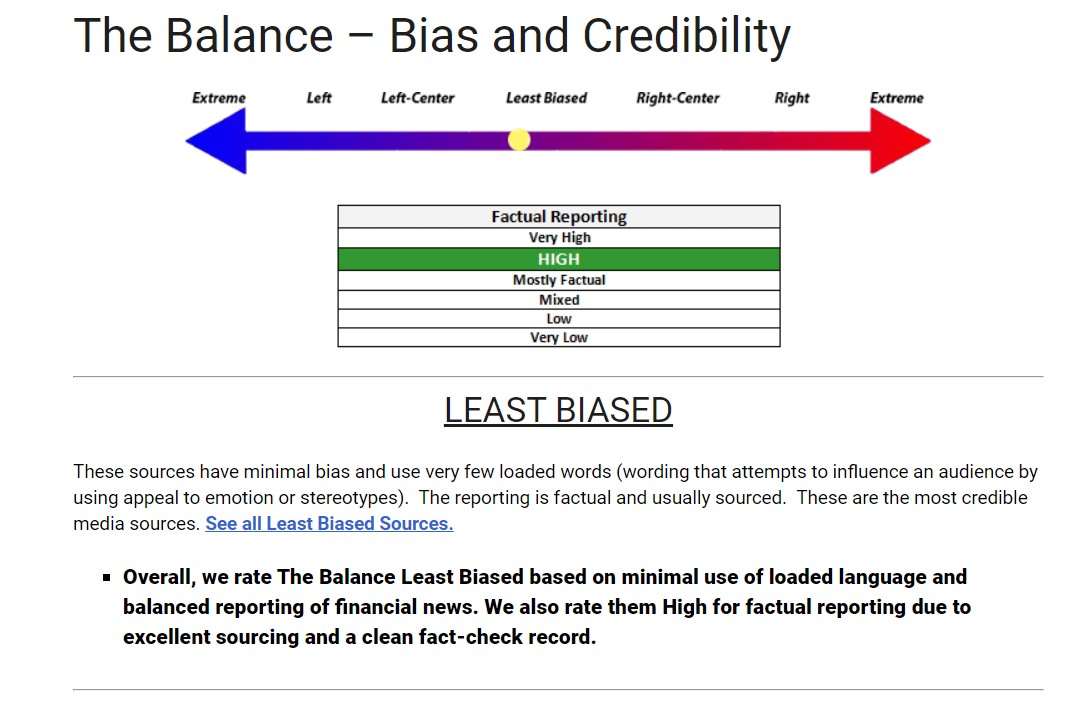
The North American Free Trade Agreement (NAFTA) was replaced by the United States-Mexico-Canada (USMCA) agreement as of July 1, 2020. While it accomplished some good things for the economy, NAFTA also had six major weaknesses. These disadvantages had a negative impact on both American and Mexican workers and even the environment.
https://www.thebalancemoney.com/disadvantages-of-nafta-3306273
U.S. Jobs Were Lost
Since labor is cheaper in Mexico, many manufacturing industries withdrew part of their production from the high-cost United States. Between 1994 and 2010, the U.S. trade deficits with Mexico totaled $97.2 billion. In the same period, 682,900 U.S. jobs went to Mexico. But 116,400 of those jobs were displaced after 2007, meaning the 2008 financial crisis may have played a role. Almost 80% of the losses were in manufacturing. The hardest-hit states were California, New York, Michigan, and Texas. They had high concentrations of the industries that moved plants to Mexico. These industries included motor vehicles, textiles, computers, and electrical appliances.
U.S. Wages Were Suppressed
Not all companies in these industries moved to Mexico, but some used the threat of moving as leverage against union-organizing drives. When workers had to choose between joining the union and losing the factory, workers chose the plant. Without union support, the workers had little bargaining power. That suppressed wage growth. According to Kate Bronfenbrenner of Cornell University, many companies in industries that were moving to Mexico used the threat of closing the factory. Between 1993 and 1999, 64% of U.S. manufacturing firms in those industries used that threat. By 1999, the rate had grown to 71%.
Mexico's Farmers Were Put Out of Business
Due to NAFTA, Mexico lost nearly 1.3 million farm jobs from 1994 to 2004. The 2002 Farm Bill subsidized U.S. agribusiness by as much as 40% of net farm income. When NAFTA removed trade tariffs, companies exported corn and other grains to Mexico below cost. Rural Mexican farmers could not compete. At the same time, Mexico reduced its subsidies to farmers from 33.2% of total farm income in 1990 to 13.2% in 2001. Most of those subsidies went to Mexico's large farms. These changes meant many small Mexican farmers were put out of business by highly subsidized American farmers.
Maquiladora Workers Were Exploited
NAFTA expanded the maquiladora program by removing tariffs. This program allows United States-owned companies to employ Mexican workers near the border. They cheaply assemble products for export back into the United States. The program grew to employ 30% of Mexico's labor force. These worksites were known for abusing worker rights, with reports of workdays lasting 12 hours or more and women being subjected to pregnancy test when they applied for jobs.
snip
SOURCES
The Balance uses only high-quality sources, including peer-reviewed studies, to support the facts within our articles. Read our editorial process to learn more about how we fact-check and keep our content accurate, reliable, and trustworthy.
Economic Policy Institute. “Heading South.”
Economic Policy Institute.. ”The High Price of ‘Free’ Trade.”
Cornell University ILR School. "Organizing in the NAFTA Environment: How Companies Use 'Free Trade' to Stop Unions."
Cornell University ILR School. “Uneasy Terrain: The Impact of Capital Mobility on Workers, Wages, and Union Organizing,” Page 16.
Carnegie Endowment for International Peace. “NAFTA’s Promise and Reality,” Page 6.
Cato Institute. “Reforming Federal Farm Policies.”
Research Center Alternative. “The World Economy Today: Major Trends and Developments,” Page 302.
Congressional Research Service. “U.S.-Mexico Economic Relations: Trends, Issues, and Implications,” Pages 7–8.
Bureau of Transportation Statistics. “U.S. Trade with Canada and Mexico.”
Inter Press Service. “Trade-Americas: NAFTA, an Engine for Unequal Growth.”
Carnegie Endowment for International Peace. “NAFTA’s Promise and Reality,” Page 7.
Cornell University ILR School. “North American Free Trade Agreement (NAFTA) Implementation: The Future of Commercial Trucking Across the Mexican Border.”
Office of Inspector General, U.S. Department of Transportation. “Status Report on Nafta Crossborder Trucking Demonstration Project,” Page 43.
Federation of American Scientists. “Status of Mexican Trucks in the United States: Frequently Asked Questions,” Page 7.
FMCSA. “Commercial Zones United States/Mexico Ports of Entry.”
SMU Scholar. “The Cross-Border NAFTA Truck Debate,” Pages 285-286.
Congressional Research Service. “NAFTA Renegotiation and the Proposed United States-Mexico-Canada Agreement (USMCA),” Summary Page.
Congressional Research Service. “NAFTA Renegotiation and the Proposed United States-Mexico-Canada Agreement (USMCA),” Page 14.
Congressional Research Service. "The North American Free Trade Agreement (NAFTA)."
Federal Register. "North American Free Trade Agreement (NAFTA)."
Office of the United States Trade Representative. "United States-Mexico-Canada Agreement."
Edit history
Please sign in to view edit histories.
Recommendations
2 members have recommended this reply (displayed in chronological order):
35 replies
 = new reply since forum marked as read
Highlight:
NoneDon't highlight anything
5 newestHighlight 5 most recent replies
RecommendedHighlight replies with 5 or more recommendations
= new reply since forum marked as read
Highlight:
NoneDon't highlight anything
5 newestHighlight 5 most recent replies
RecommendedHighlight replies with 5 or more recommendations
= new reply since forum marked as read
Highlight:
NoneDon't highlight anything
5 newestHighlight 5 most recent replies
RecommendedHighlight replies with 5 or more recommendations