General Discussion
In reply to the discussion: The little Calico kitten finally came home yesterday (Sunday) [View all]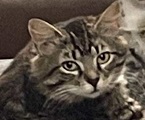
CountAllVotes
(22,230 posts)They are known as the Maneki Neko, the Japanese Beckoning Cat
>>One of the more popular legends centers around the Edo period (17th century), when a priest of a temple in the western part of Tokyo chided his pet cat for not contributing to the temple, which was quite dilapidated.
One day, soon after, Naotaka Ii, who was the lord of Hikone district (western part of Japan near Kyoto), was standing under a tree in front of the temple, seeking protection from rain, when he noticed that a cat was inviting him into the temple. As soon as he left the shelter of the tree to enter the temple, the tree was struck by lightening. Naotaka, of course, grateful to the cat (Tama), adopted the temple for his family, and bestowed his gratitude to the priest by helping the temple prosper. After his death, Tama was buried at Goutokuji's cat cemetery with much respect and honor, and the Maneki Neko tradition began.
Another legend tells of a famous Geisha of the Edo period, named Usugumo, who loved cats and kept her own at her side constantly. It seems one evening her cat insistently pulled at the hem of her robe, and after some period of frustration, she called for help. An admirer rushed to her side and cut off the head of the cat, thinking it to be a goblin cat. The cat's head flew to the ceiling and bit the huge snake that was hovering over Usugumo. Usugumo mourned deeply the cat who had sacrificed its life for her, and in consolation, one of her guests presented her with an image of the hero cat made of aromatic wood. That image, of course, was the Maneki Neko, and its raised paw was trying to alert her to danger.
There are many more legends, and the most popular of the bunch are to be found at the Maneki Neko Club. There are also interesting stories about the traditions of displaying the Maneki Neko. According to one story, the Japanese, who treasure good luck charms, put the Maneki Neko in the front of their store to attract customers and/or good fortune. Tradition says that the left paw beckoning invites customers, while the right paw welcomes fortune or money. Of course, there's nothing wrong with hedging your bets by having one of each.
more here: http://cats.about.com/cs/manekineko/a/manekineko.htm
As the story goes, it is great luck to have found such a cat.
So, may good luck continue to follow you!

As for the parasite(s), I have a cat that had the same problem. Finally, after several months of trying to treat it, the parasite was alas killed with a horse/cattle wormer called "Panacur".
Thanks for sharing your lovely cats! 
 & recommend.
Edit history
Recommendations
0 members have recommended this reply (displayed in chronological order): = new reply since forum marked as read
Highlight:
NoneDon't highlight anything
5 newestHighlight 5 most recent replies
RecommendedHighlight replies with 5 or more recommendations
= new reply since forum marked as read
Highlight:
NoneDon't highlight anything
5 newestHighlight 5 most recent replies
RecommendedHighlight replies with 5 or more recommendations