Stunning WWII photos, pre-war to post-war. 20 sections. The Atlantic 2011. [View all]
I have seen some pictures from this 20 piece retrospective, but I have never seen it as a whole. Awesome pictures, tragic ones, it would be easy to spend a day absorbing it all.
I remember Life Magazine carried some of the pictures like these of the Holocaust after the war, but no one talked much about it. It was too horrible to imagine. Frankly I never heard of places like Manzanar and other Japanese internment camps until just a few years ago.
World War II in photos. A Retrospective in 20 parts.
World War II is the story of the 20th Century. The war officially lasted from 1939 until 1945, but the causes of the conflict and its horrible aftermath echoed for decades in both directions. While feats of bravery and technological breakthroughs still inspire awe today, the majority of the war was dominated by unimaginable misery and destruction. In the late 1930s, the global population stood at approximately 2 billion. In less than a decade, the war between the nations of the Axis Powers and the Allies resulted in some 80 million deaths -- killing off about 4 percent of the whole world.
This series of entries was published weekly on TheAtlantic.com from June 19 through October 30, 2011, running every Sunday morning for 20 weeks. In this collection of 900 photos spread over 20 essays, I tried to explore the events of the war, the lives of the people fighting at the front and working back home, and the effects of the trauma on everyday activity. These images still give us glimpses into the experiences of our parents, grandparents and great grandparents, moments that shaped the world as it is today.
Here are 4 pictures from different sections.
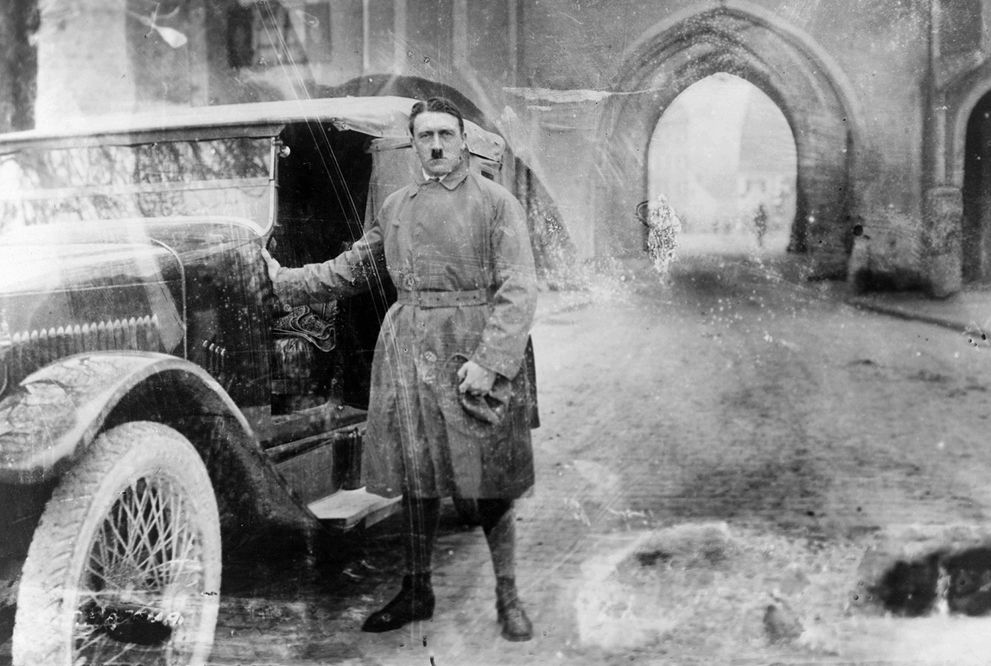
Adolf Hitler, age 35, on his release from Landesberg Prison, on December 20, 1924. Hitler had been convicted of treason for his role in an attempted coup in 1923 called the Beer Hall Putsch. This photograph was taken shortly after he finished dictating "Mein Kampf" to deputy Rudolf Hess. Eight years later, Hitler would be sworn in as Chancellor of Germany, in 1933. (Library of Congress)
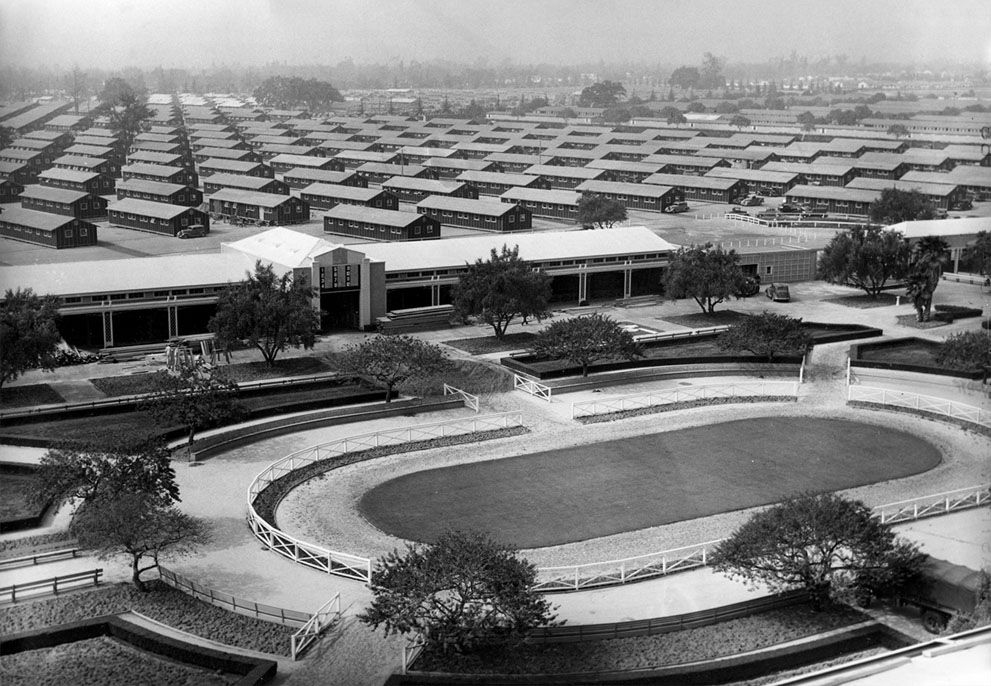
The Santa Anita Park race track is converted into an internment camp for evacuated Japanese Americans who will occupy the barracks erected in background in Arcadia, California. Photo taken on April 3, 1942. (AP Photo
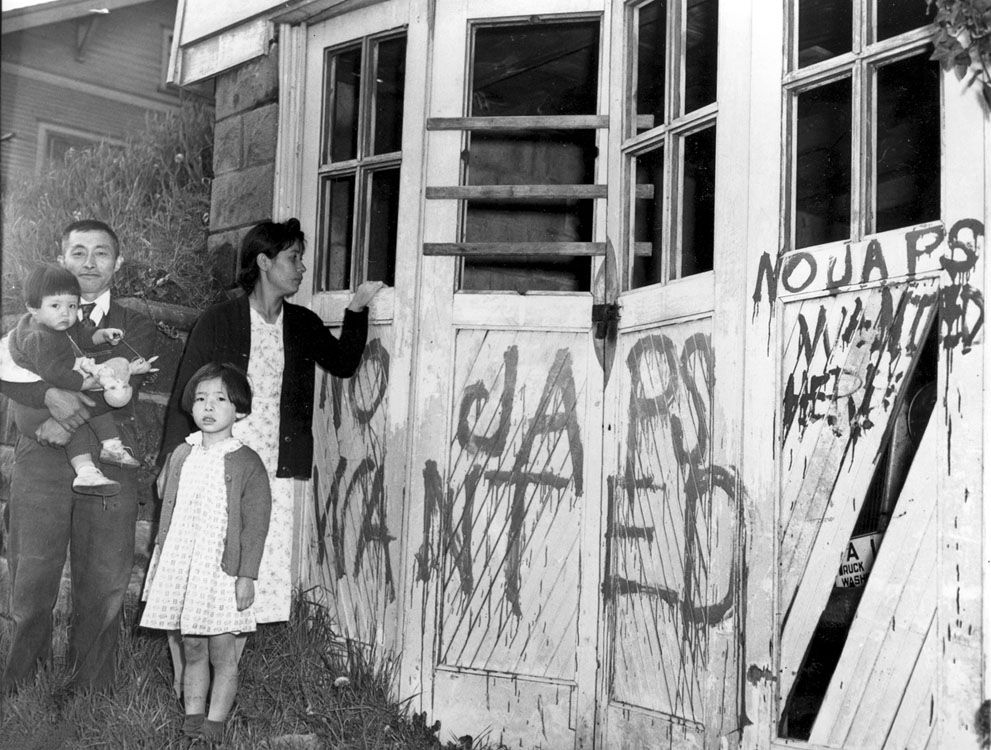
A Japanese family returning home from a relocation center camp in Hunt, Idaho, found their home and garage vandalized with anti-Japanese graffiti and broken windows in Seattle, Washington, on May 10, 1945. (AP Photo)
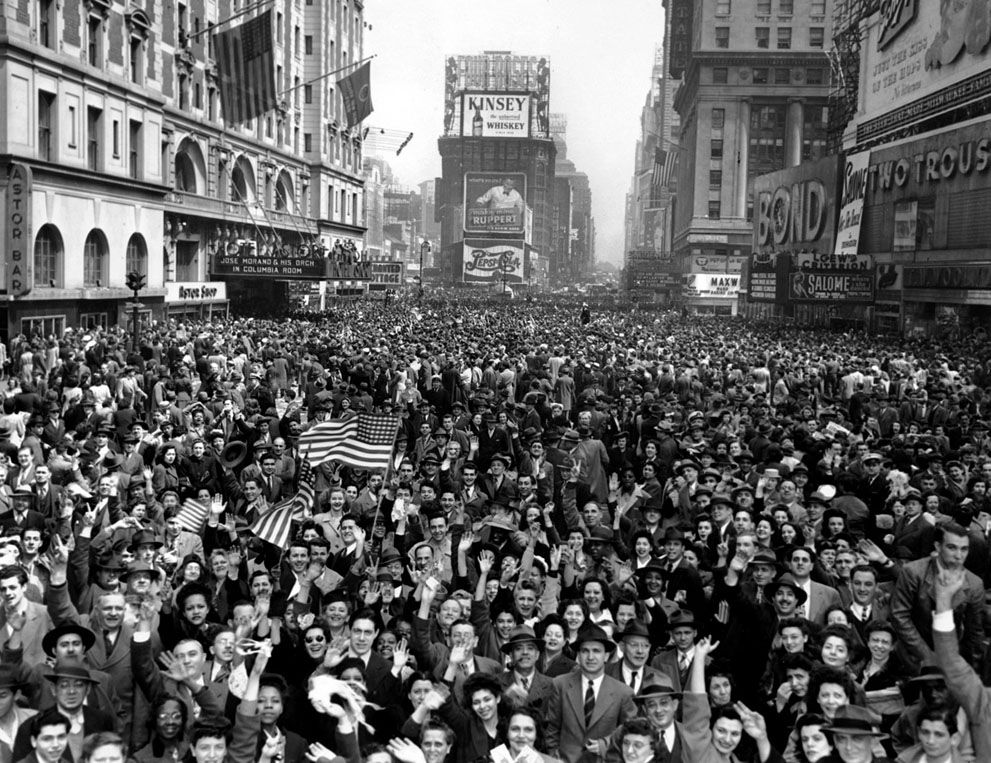
Looking north from 44th Street, New York's Times Square is packed Monday, May 7, 1945, with crowds celebrating the news of Germany's unconditional surrender in World War II. (AP Photo/Tom Fitzsimmons)

 = new reply since forum marked as read