U.S. Public Health Service Syphilis Study at Tuskegee [View all]
The Tuskegee Timeline
The Study Begins
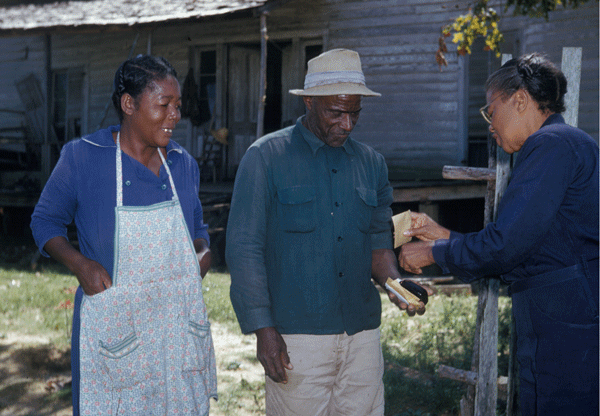
In 1932, the Public Health Service, working with the Tuskegee Institute, began a study to record the natural history of syphilis in hopes of justifying treatment programs for blacks. It was called the "Tuskegee Study of Untreated Syphilis in the Negro Male."
The study initially involved 600 black men – 399 with syphilis, 201 who did not have the disease. The study was conducted without the benefit of patients' informed consent. Researchers told the men they were being treated for "bad blood," a local term used to describe several ailments, including syphilis, anemia, and fatigue. In truth, they did not receive the proper treatment needed to cure their illness. In exchange for taking part in the study, the men received free medical exams, free meals, and burial insurance. Although originally projected to last 6 months, the study actually went on for 40 years.
What Went Wrong?
snip
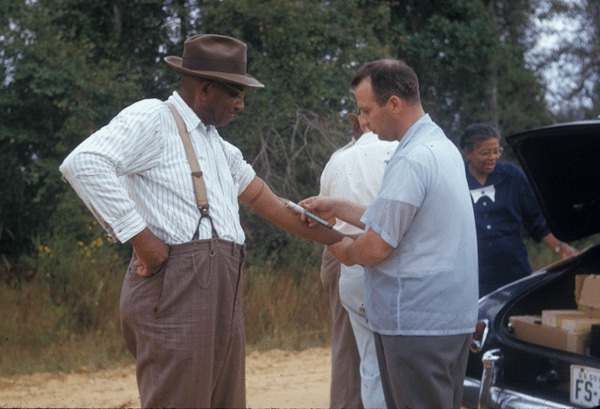
The panel found that the men had agreed freely to be examined and treated. However, there was no evidence that researchers had informed them of the study or its real purpose. In fact, the men had been misled and had not been given all the facts required to provide informed consent.
snip
The Study Ends and Reparation Begins
snip
In the summer of 1973, a class-action lawsuit was filed on behalf of the study participants and their families. In 1974, a $10 million out-of-court settlement was reached. As part of the settlement, the U.S. government promised to give lifetime medical benefits and burial services to all living participants. The Tuskegee Health Benefit Program (THBP) was established to provide these services. In 1975, wives, widows and offspring were added to the program. In 1995, the program was expanded to include health as well as medical benefits. The Centers for Disease Control and Prevention was given responsibility for the program, where it remains today in the National Center for HIV/AIDS, Viral Hepatitis, STD, and TB Prevention. The last study participant died in January 2004. The last widow receiving THBP benefits died in January 2009. There are 15 offspring currently receiving medical and health benefits.
Read More http://www.cdc.gov/tuskegee/timeline.htm


Another shameful moment in history, that lasted 40 years.

 = new reply since forum marked as read