What happens to our cognition in the darkest depths of winter? [View all]
 Contrary to popular beliefs about winter sluggishness and depression, human cognition is not affected by the seasons
https://psyche.co/ideas/what-happens-to-our-cognition-in-the-darkest-depths-of-winter
Contrary to popular beliefs about winter sluggishness and depression, human cognition is not affected by the seasons
https://psyche.co/ideas/what-happens-to-our-cognition-in-the-darkest-depths-of-winter
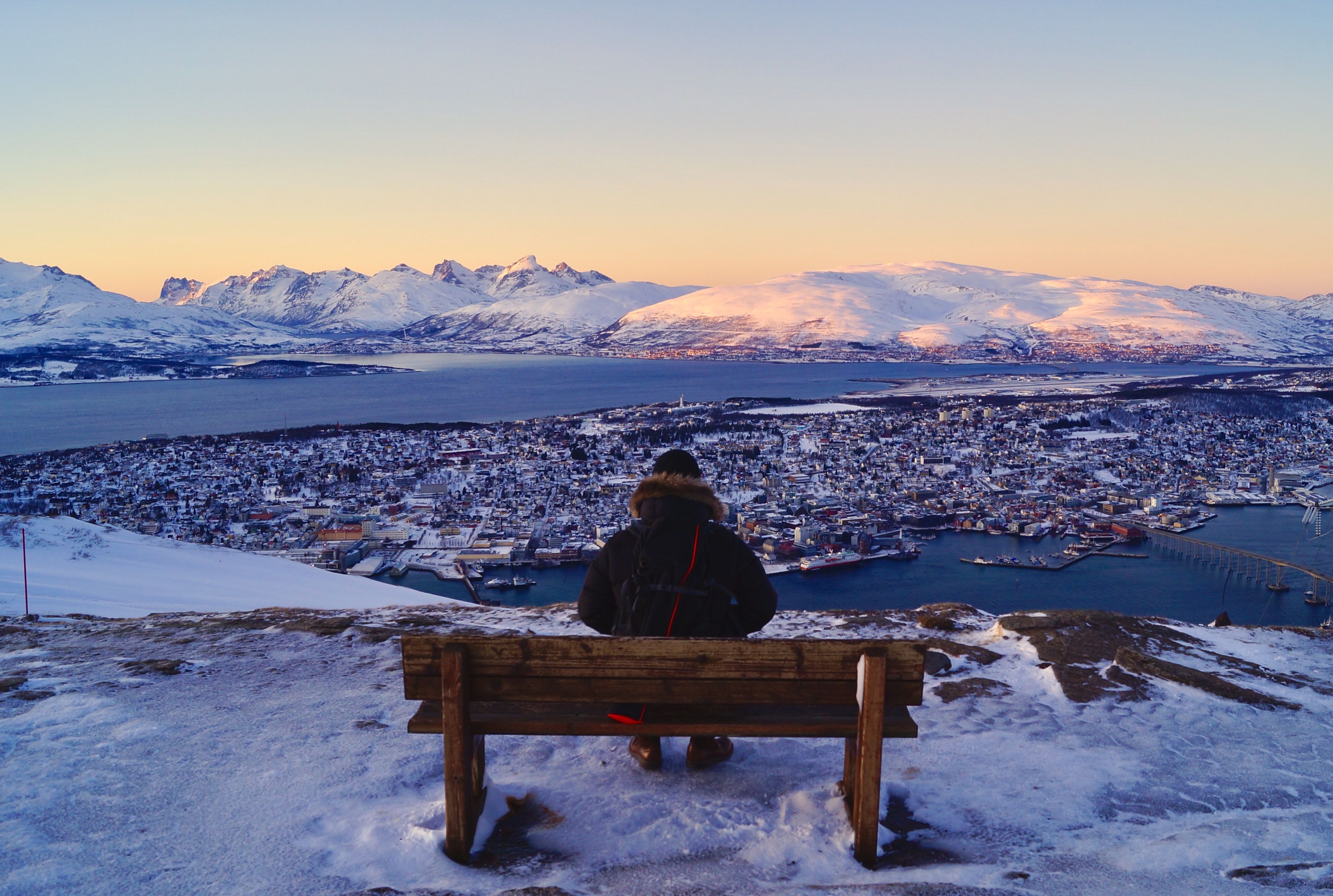 View over Tromsø, Norway. Photo by Daniel Vogel/Unsplash

Don’t we all feel down when the days are short? Isn’t it difficult to get through the winter? Or… is that just what we’re told? Every year, there are articles in the popular press saying that, as the days get shorter and the nights get longer, we can expect to feel sad and restless. They have headlines such as ‘Winter Brain: Why Do We Feel Sad And Tired In Winter?’ and ‘Here’s Why You Actually Feel Depressed In The Winter’.
The idea that our brains and emotions are affected by winter was first put on a scientific footing in the 1980s by biological psychiatrists in the United States, who
described the condition known today as seasonal affective disorder, referred to as SAD by its wink of an abbreviation. People diagnosed with SAD are reported to have recurrent episodes of depression in winter that go away in spring as the days become longer. Looking back, one could wonder why SAD was first described in the US at latitudes where northern Europeans might travel to for a winter break, such as Rome or Madrid. Nevertheless, the notion spread north and south, and studies have subsequently documented patients with purported SAD in many countries.
At the same time that SAD was cementing its place in popular culture in the 1990s, I undertook a career move from the French Alps to Norway to a job at the world’s northernmost university, in Tromsø, 350 kilometres north of the Arctic Circle. Being at 69°N, in Tromsø there are two months in summer where the sun doesn’t set, and two months in winter when it doesn’t peek above the horizon. I remember people’s reactions when we said we were moving up there: ‘Ooh, are you going to hibernate for two months?’ and ‘It’s nice there but the darkness will get to you.’ I wondered how the locals coped with the lack of direct sunlight in winter. I found out they don’t compensate the missing sunlight with floodlights and neon strips. Rather, each table in the many cafés, restaurants and pubs has a small circular candle in a thin metal cup. These hardly give off any light, or heat, but they do create the cosy, intimate atmosphere that Norwegians call
koselig (similar to the Danish concept of
hygge, but better).
My relocation inspired me to look for research on the psychological effects of extreme swings in the physical environment. Apart from some work on the prevalence of SAD and the possible benefits of light therapy, I found that there wasn’t much. This prompted my colleagues and me to investigate whether people in Tromsø were mentally more alert and quicker in summer than winter. As well as being relevant to folk beliefs about sluggishness in winter, our investigation was also relevant to the validity of the notion of SAD – after all, according to the principal diagnostic manual used by psychiatrists in the US and many other countries, depression is a mood disorder with a cognitive symptom of reduced clarity of thinking and concentration (this supposedly applies to seasonal variants of depression too).
snip

 = new reply since forum marked as read