developed.
The first one is a little short on details and also makes a gaping misstatement:
While electric cars are growing in popularity, charging is a perennial issue. Tesla, whose Model S is the best-selling electric car in America, relies on a network of destination charging stations where drivers can plan to be for several hours or overnight, or supercharger stations, which charge cars in about 30 minutes. But, depending on where you’re driving, these stations can be few and far between.
Wrong. Wrong. Wrong. Or if they weren't wrong a few years ago, the whole concept is decidedly obsolete today.
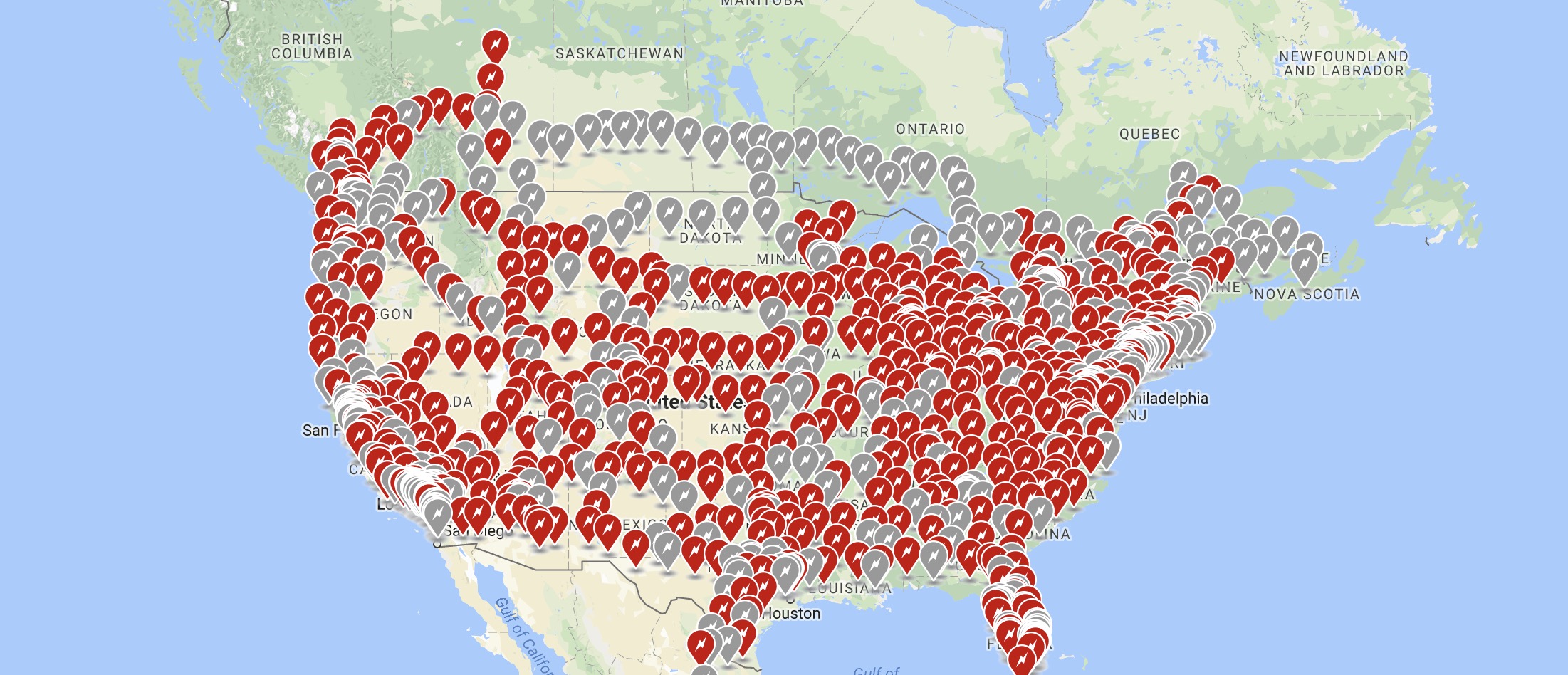
From my second-hand experience driving across interstates with Tesla vehicles and recharging them, overnight is an exaggeration anymore. A standard NEMA-1450 or 30A electric dryer outlet can charge a Tesla 150 miles from the nearest Supercharger in 5 hours or less, and that's without help from the vehicle's GPS routing console, which does all the route and charging calculating based on the vehicle's current charge automatically. So just as you fuel up your ICE vehicle before a long trip, the Tesla is no different. With a full tank for either to begin with, EVs only arrive slightly behind their ICE counterparts. Except with the Tesla EV, you go in style and without the oil and gasoline pollution.
The second article sounds like it addresses more the electrolyte type battery technology. Not sure how that would translate to lithium, but maybe it could have some beneficial part. Not sure.
But getting back to ownership and living with an EV, from an outsider's viewpoint, you think it's complicated and difficult, like in the article. But in reality, from the owner's standpoint, they only fully charge their vehicles for long trips. For normal weekly use, they only charge them a couple times a week to about 70 - 90% of capacity. I'm talking about $5 of electrical usage to power their transportation use per week. They drive for practically nothing, whereas I pay $48/week on my ICE vehicle to fill up at the discount gas station. In other words, I pay more to pollute and get my hands smelling like gasoline and oil on the garage floor as a privilege to drive around an underpowered ICE vehicle that makes a bunch of noise pollution on top of it all.
I'm on the cusp of going EV soon. I feel like I am and a lot of people are already late to the EV advantage.

 = new reply since forum marked as read