UP Michigan's Winter A Farewell To Snow, Fishing, Racing; Skiing; Yamaha Exiting Snowmobile Market [View all]
EDIT
Video: Tell me you don’t have snow in February in Michigan’s UP while not telling me.
?t=24
Across the Great Lakes, daily maximum temperatures this winter have averaged 5 degrees to 10 degrees above average. Snowfall has been paltry and quick to melt. It is tempting to blame El Niño, a cyclical phenomenon in which weak Pacific trade winds cause warmer and dryer weather in parts of the northern U.S. and Canada — and many have.
But multiple experts who spoke to Bridge said El Niño’s effects are minimal in this part of the country. And this year’s cycle isn’t particularly severe. “This is not what an El Niño winter is typical of,” said Sapna Sharma, a climate expert and professor in the biology department at York University in Ontario. “We’ve had El Niño winters in the past…we also know that year after year, we’re breaking records for the warmest global air temperatures in recorded history.”
EDIT
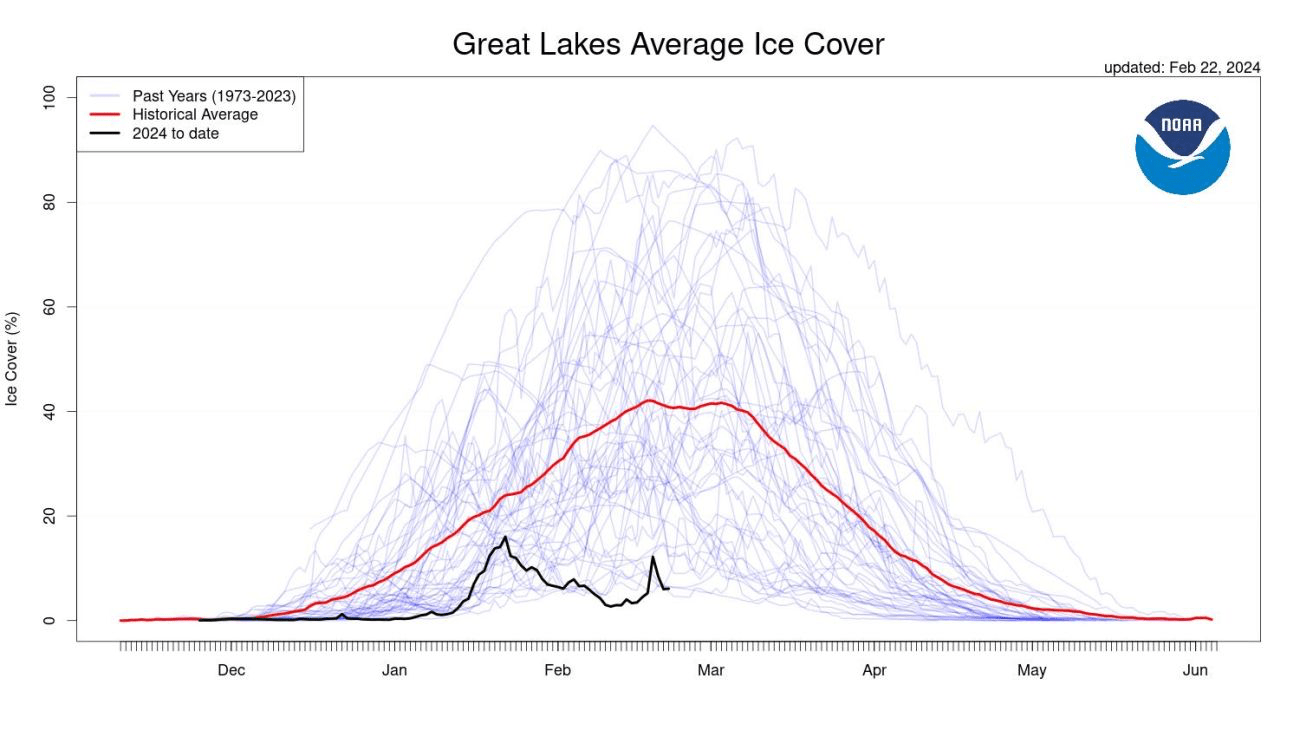
Lake ice is getting thinner, too. This year, the Great Lakes maxed out at just 16 percent ice cover — less than a third of normal. By mid-century, many inland lakes will fail to consistently freeze over at all, said Sharma, who has extensively studied the topic. That means ice fishing season will become shorter and more dangerous — if it arrives. And across much of the state, skating and skiing will be activities confined to resorts and arenas capable of making artificial snow and ice. “There will be loss,” Rood said.
?ssl=1
EDIT
In 1968, Yamaha released its first snowmobile, the SL350, by applying small engine technology which it developed in the motorcycle business. Over the past 55 years, Yamaha developed snowmobiles for sports, leisure, and business use as a means of transportation mainly in snowy areas found in North America and Europe. Yamaha also aimed to grow the business through the early introduction of environmentally-friendly 4-stroke models and alliances with other companies. However, Yamaha has concluded it will be difficult to continue a sustainable business in the snowmobile market. Going forward, Yamaha will concentrate management resources on current business activities and new growth markets.
EDIT
https://thinc.blog/2024/02/27/sadness-as-the-great-white-north-goes-brown/

 = new reply since forum marked as read