Why taxpayers serve nuclear power and not the other way around [View all]
Why taxpayers serve nuclear power and not the other way around
A year on from Fukushima's meltdown, an extraordinarily clear-eyed analysis from an industry veteran rails against the 'prophecies' made by all sides of the debate
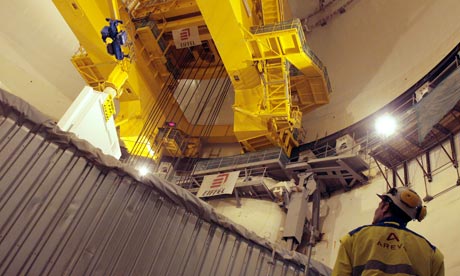 Peter Bradford argues the Olkiluoto 3 nuclear reactor being built by Areva in Finland is 'a gamble that has fallen flat' due to time and cost overruns. Photograph: Jacques Demarthon/AFP/Getty Images
"It would be ideal if Fukushima could steer us away from prophecies and towards a sensible assessment of market economics, climate science and nuclear risks. Then nuclear power would serve the public, not the other way around. I don't know how many reactors we would get, but we would get the number that we need."
In the fiendishly complex debate on the merits of nuclear power, that analysis is the most clear-eyed and crisply expressed that I have seen. It comes from nuclear industry veteran and academic Peter Bradford and is published in the leading journal Nature. I'll make no apology from quoting from his article liberally.
On 11 March, it will be one year since the enormous earthquake and tsunami, which killed at least 16,000 people and caused a catastrophic meltdown at the Fukushima nuclear plant. The impact on nuclear power has been profound and the anniversary is a good time to reflect on what role the technology has to play in delivering low-carbon, secure energy at reasonable cost.
The "prophecies" Bradford rails against are statements made with "great certainty" about the "unknowable or implausible". He gives examples from all sides of the debate:
Germany has declared that existing nuclear capacity is too dangerous and can be phased out at little cost. The Middle East and the Czech Republic assert that new nuclear is a vital low-carbon energy source. Others, including the United Kingdom, have said that there will soon be new nuclear without subsidies.
Let's tackle the ...
http://www.guardian.co.uk/environment/damian-carrington-blog/2012/mar/07/nuclear-power-cost-fukushima?newsfeed=true

 = new reply since forum marked as read