Environment & Energy
In reply to the discussion: China's Tongwei Group Plans World's Biggest Solar-Cell Plant (5GW/yr) [View all]
kristopher
(29,798 posts)It is simple - the thing you love about that big massive, husky hunk of energy which is nuclear, is also what works against it (in several ways) for the needs of today's grid.
It is a routine occurrence for nuclear plants to have operating problems that require them to shut down immediately - the safety issue demands it.
Unless you have an extremely large amount of fossil fuel standby, taking that much power offline will crash the grid. Since we can't predict the sudden state of energy vacuum that a scrammed reactor leaves in its wake, we have to keep a shitton of fossil running all the time - just in case.
Wind and solar, though variable, are extremely predictable. That and the widely distributed nature of the collection devices, reduces dramatically the issues associated with compensating for their variable nature. We Do Not Need to Keep a Large Amount of Fossil Generation Up And Spinning "just in case" a gigawatt's worth of power is lost in an instant.
Another problem with that always on aspect of nuclear is that renewables ARE what is being built and nuclear is simply incompatible. We've seen a wave of shutdowns in coal and nuclear as these large plants are losing marginal market share to no-fuel-cost renewables. That is only going to get worse.
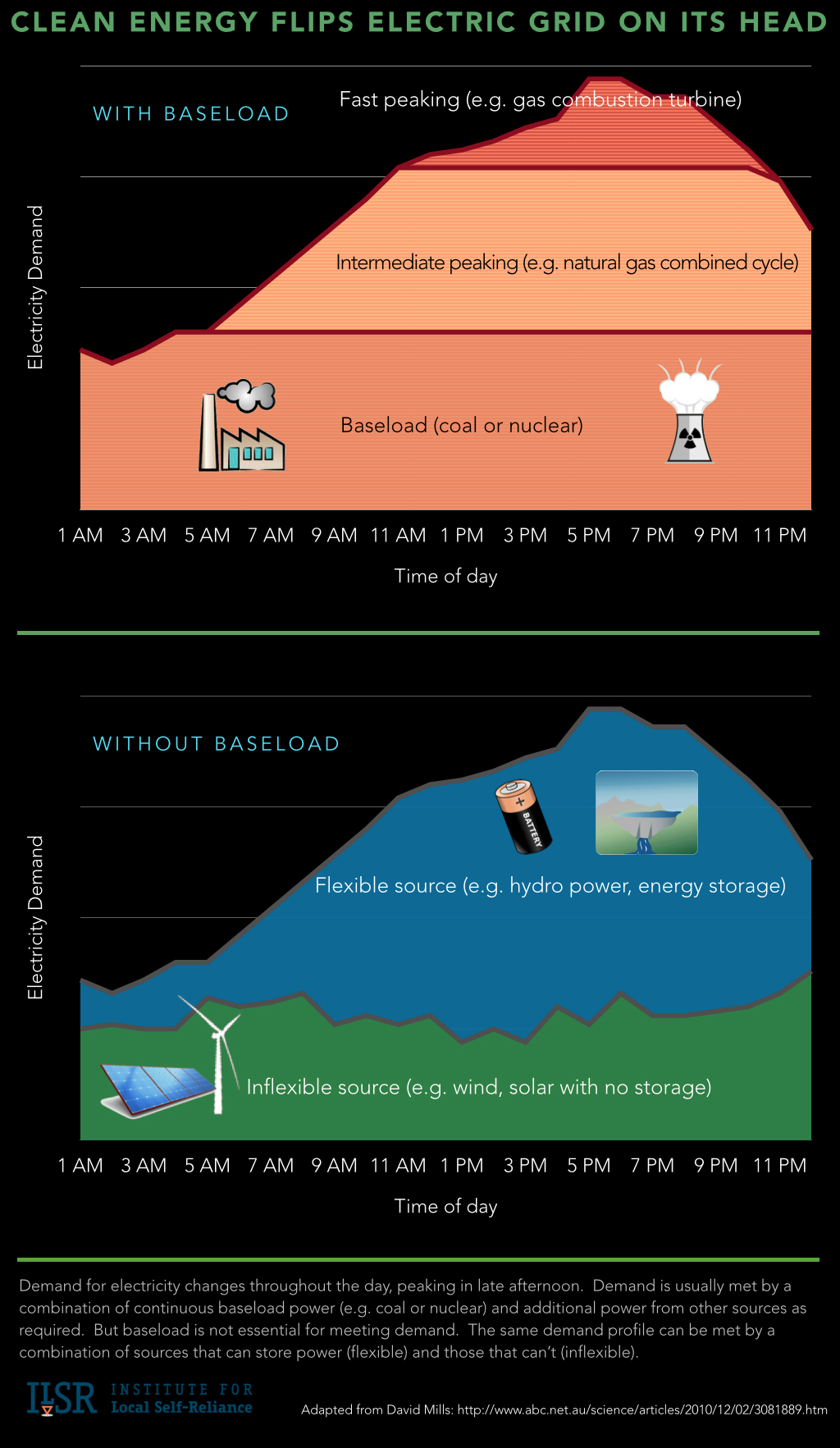
The world is changing and the nature of the change means nuclear is set to be only a minor distraction in our energy future. Given it's negatives of cost, safety, proliferation concerns and toxic wastes, that is a really good thing.
ETA: Since you're so fond of posting things that are totally unrelated, I'm sure you'll indulge me tossing this chart into the mix to show another aspect of nuclear that the nuclear industry likes to pretend doesn't exist:
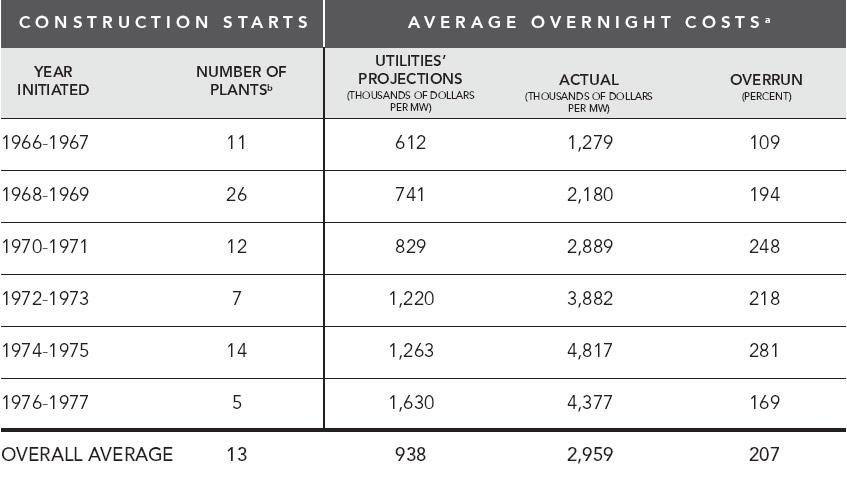
Let’s not forget, either, that nuclear power has some of the largest per kilowatt- hour subsidies of any electricity source.
As the Pittsburgh Post-Gazette said, “a new nuclear project may be the hardest large-scale construction venture to keep on schedule and on budget, because of the cost, the regulations, and the infrequency of such events.” Compare that with solar power, with prices falling 50% in five years and new installations completed every 2.5 minutes.
Edit history
Recommendations
0 members have recommended this reply (displayed in chronological order): = new reply since forum marked as read
Highlight:
NoneDon't highlight anything
5 newestHighlight 5 most recent replies
RecommendedHighlight replies with 5 or more recommendations
= new reply since forum marked as read
Highlight:
NoneDon't highlight anything
5 newestHighlight 5 most recent replies
RecommendedHighlight replies with 5 or more recommendations