Why Scientists Waited 50 Years to Study This Moon Dust [View all]
This Christmas season, researchers will finally get to unseal the contents of a soil sample from the Apollo 17 mission
Elizabeth Gamillo
Daily Correspondent
December 22, 2021
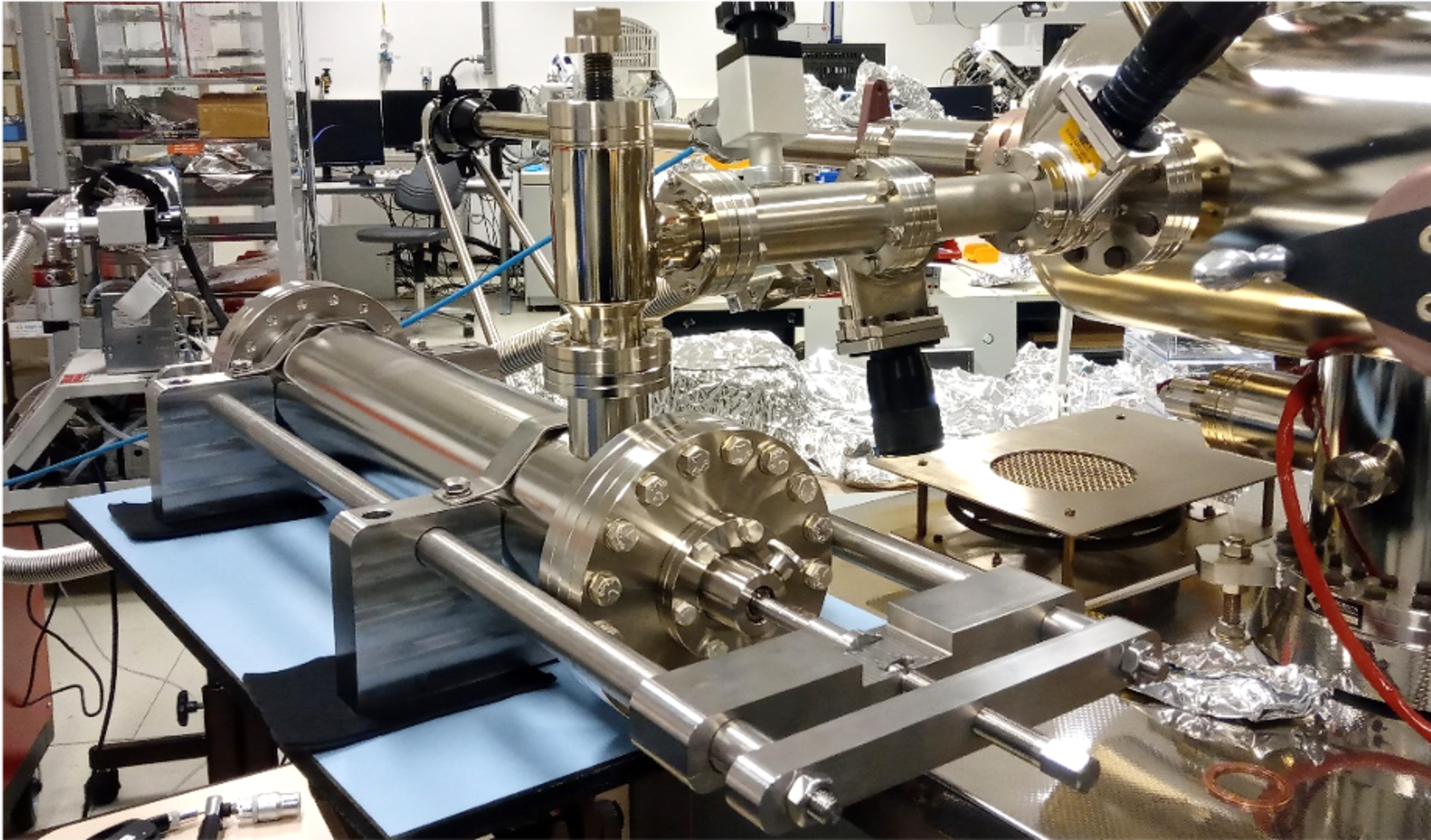
The high-tech gadget dubbed the Apollo can opener was designed to pierce the vacuum-sealed cylinder while capturing any lunar gases that may still lurk within its walls. ANGSA Science Team
When NASA’s historic Apollo program launched in the 1960s, it resulted in six space flights to Earth’s natural satellite, the moon. These missions had grand results—from putting the first person on the moon in 1969 aboard Apollo 11 to 2,200 collected lunar samples in total.
The original Apollo researchers had the foresight to know that future scientists would have more advanced tools to study the samples and made sure to set some aside for later analysis. Though some of the lunar samples have been opened, but others—called the Pristine Apollo Samples—remain untouched and have yet to be examined.
During the Apollo 17 mission in 1972, astronaut Gene Cernan extracted a core sample of lunar soil using a 28-inch-long cylindrical tube that he pounded into the moon's Taurus-Littrow Valley, reports George Dvorsky for Gizmodo. Soon after its collection, the sample was sealed inside a vacuum-tight container while Cernan was still on the moon. Upon the canister’s arrival to Earth, it was placed inside another vacuum chamber where it sat untouched for nearly 50 years. The sample, known as the 73001 Apollo sample container, is now set to be opened by researchers using a device designed by the European Space Agency (ESA). The effort is the first time the ESA will examine samples returned from the moon.
The high-tech gadget—cheekily nicknamed the "Apollo can opener"—was designed to pierce the vacuum-sealed cylinder while capturing any lunar gases that may still lurk within its walls, reports Benjamin Taub for IFL Science. By analyzing the lunar gases, which could consist of hydrogen, helium, or other gases, scientists will further understand the moon’s geology. These experiments could help engineers design more efficient and effective sampling tools and techniques for future missions to the moon or Mars, per a statement.
More:
https://www.smithsonianmag.com/smart-news/a-lunar-sample-from-the-apollo-17-mission-will-finally-be-opened-180979280/

 = new reply since forum marked as read