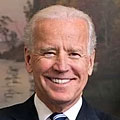
 Congratulations to our presumptive Democratic nominee, Joe Biden!
Democratic Primaries
In reply to the discussion: BERNIE SANDERS CALLS OUT ANTI-MEDICARE FOR ALL 'FRONT GROUP' [View all]Honeycombe8
(37,648 posts)Universal care provides some sort of care for everyone. This was one of Obama's stated goals while campaigning. Some were upset to realize after election that he did not mean single payer, but he had never said that. He said "universal." Single-payer is a type of universal care. There is also a two-tier system. There is also a mandate system (Germany). The U S has a private system, but also includes single payer for segments of the population (a sort of hybrid system, although that is not a "type" of insurance system; it's a description).
Types of Plans
In most countries, the government pays for health care provided by private companies. These include the systems in Australia, Canada, France, Germany, Singapore, and Switzerland. U.S. examples are Medicare, Medicaid, and TRICARE. The United States also provides subsidies to health insurance companies through Obamacare.
When the government both pays for and provides the services, that is socialized medicine. The United Kingdom has this. The United States has it with the Department of Veterans Affairs and the armed forces. (emphasis added: SINGLE PAYER)
Countries often combine universal health coverage with other systems to introduce competition. These include pay as you go, prepay, and private insurance models. These options can lower costs, expand choice, or improve care. (UNIVERSAL HC includes any system that provides widespread hc or coverage.)
(SNIP)
Developed Countries With Universal Health Care
Out of the 33 developed countries, 32 have universal health care. They adopt one of the following three models.
In a single-payer system, the government taxes its citizens to pay for health care. Twelve of the 32 countries have this system. United Kingdom)
Six countries enforce an insurance mandate. (Germany)
The nine remaining countries use a two-tier approach. The government taxes its citizens to pay for basic government health services. Citizens can also opt for better services with supplemental private insurance. (France)
https://www.thebalance.com/universal-health-care-4156211
Australia: two-tier system (like the U S Medicare system)
Canada: Single-payer system. (the govt provides free care to everyone, regardless of ability to pay). Does not incl. vision, dental, drugs, which residents need to buy thru ins.
France: Two-tier system. Covers 75% of its care. Mandatory health ins. system for med. care, drugs. The govt also pays for homeopathy, house care, child care.
Germany: A mandate system. Mandatory health insurance sold by 130 private nonprofits. There is additional mandatory long-term care insurance. Funding comes from payroll taxes. The government pays for most of the health care. It limits the amount of the payments and the number of people each doctor can treat. People can buy more coverage.
Singapore: Singapore's two-tier system is one of the best in the world. Two-thirds is private and one-third public spending. It provides five classes of hospital care. The government manages hospitals that provide low-cost or free care. It sets regulations that control the cost of the entire health care system. People can buy higher levels of deluxe care for a fee. Workers pay 20 percent of their salary to three mandated savings accounts. The employer pays another 16 percent into the account. One account is for housing, insurance, or education investment.
The second account is for retirement savings. The third is for health care.
Switzerland: Mandatory health insurance that covers all residents. Quality of care is one of the best in the world. Coverage is provided by competing private insurance companies. People CAN buy voluntary insurance to access better hospitals, doctors, and amenities. (no dental or vision for adults) The government subsidizes premiums for low-income families. Like Obamacare.
United Kingdom: Single-payer system. All residents receive free care. Private insurance for elective medical procedures is available.
United States: Private system. But it's a mixture of government-run and private insurance. The government pays most of the cost, but also subsidizes private health insurance through Obamacare. One-third of the costs is for administration, not patient care. Sixty percent of citizens get private insurance from their employers. Fifteen percent receive Medicare for those 65 and older. The federal government also funds Medicaid for low-income families and the Children's Health Insurance Program for children. It pays for veterans, Congress, and federal employees. Despite all these, there are 28 million Americans who have no coverage. (a HYBRID type of system, although there is no category of systems called "hybrid"


 If I were to vote in a presidential
primary today, I would vote for: Undecided
Edit history
Recommendations
0 members have recommended this reply (displayed in chronological order): = new reply since forum marked as read
Highlight:
NoneDon't highlight anything
5 newestHighlight 5 most recent replies
RecommendedHighlight replies with 5 or more recommendations
= new reply since forum marked as read
Highlight:
NoneDon't highlight anything
5 newestHighlight 5 most recent replies
RecommendedHighlight replies with 5 or more recommendations