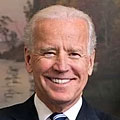
 Congratulations to our presumptive Democratic nominee, Joe Biden!
Democratic Primaries
In reply to the discussion: Policy or Popularity? Which Wins Elections? [View all]The Velveteen Ocelot
(130,587 posts)the head of a particular candidate's pin. All of the candidates favor certain broad policies and goals as advocated by the Democratic party: Universal health care, women's reproductive rights, plans to deal with climate change, tax laws that don't unfairly favor the wealthy, regulation of the financial sector, a living wage for everyone, affordable higher education, humane and manageable immigration, care for the environment, enforcement of civil rights laws, support for LGBT and minority rights, support for NATO and other international alliances, protecting our elections, etc. But there are differences among the candidates as to how these broad goals should be accomplished.
As a result it is easy to get so tangled up in arguments over the means that sometimes we forget about the end. For example, should we have Medicare for All or improvements to the ACA that include both private insurance and a public option? How do we do it? What will it cost? How will it be paid for? How long will it take? And in trying to answer these questions, all of which of course are completely legitimate, we can lose sight of the fact that the plans and their particulars are aspirational only - because any plan will have to make it through Congress, where the process has been compared to the making of sausage. A candidate's proposals tell us a lot about his/her political philosophy but we have to remember that, as Mick Jagger once said, you can't always get what you want.
What I'm saying, I guess, is that concentrating exclusively on policy (sometimes ad nauseam) ignores the fact that most voters don't care about how we get there as long as we have some reasonable chance to get there. Promising something like Medicare for All doesn't mean we'll ever get it; it means only that the candidate who promises it has a political philosophy that supports such a system. That's important to know, of course, but political philosophies don't win elections. When you're dealing with an enormous electorate with a broad range of desires, goals and attitudes it will come down to popularity - or charisma or personality if that's what you want to call it.
A campaign is a marketing event. An election is closing the sale. Trump won 2016 on the basis of his (fake) reputation as a successful businessman plus heavy doses of bullshit. He had no definable, detailed policies at all, only vague promises that appealed to the desires and fears of a certain segment of the electorate. Assisted by the Russians and a number of other things that went sideways for Clinton, it was enough for him to win the electoral college. The point is that wonkery only goes so far. I think it's great that Warren, for example, has worked out her plans and can explain exactly what they are and what they will cost. This tells me a whole lot about how she thinks. But for her to actually win the election she will have to engage and excite voters, not only about her plans but about herself. This goes equally for all of them, of course. It's all about closing the sale. Policy details take a back seat in general elections, which is why I'm not getting all wrapped around the axles about the details. Any candidate who supports the general principles of the party and can sell him/herself to voters well enough to beat Trump has my support. In the end that's all that matters.
If I were to vote in a presidentialprimary today, I would vote for: Joe Biden
Edit history
Recommendations
0 members have recommended this reply (displayed in chronological order): = new reply since forum marked as read
Highlight:
NoneDon't highlight anything
5 newestHighlight 5 most recent replies
RecommendedHighlight replies with 5 or more recommendations
= new reply since forum marked as read
Highlight:
NoneDon't highlight anything
5 newestHighlight 5 most recent replies
RecommendedHighlight replies with 5 or more recommendations