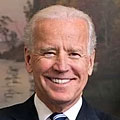
 Congratulations to our presumptive Democratic nominee, Joe Biden!
Democratic Primaries
In reply to the discussion: I always knew Joe Biden would end the Trump presidency [View all]DrFunkenstein
(8,896 posts)Conflicts and Impartiality
Conflicting Financial Interests
Sometimes your government work may benefit you or your family personally, or may affect individuals or organizations that you have some connection with outside your government job. In these circumstances, the public could be concerned that you will be motivated by considerations other than your desire to do what is best for the public as a whole. Because the success of our government system depends upon maintaining the confidence of the public and your impartiality in performing official duties, your agency might decide that you should not be involved in a certain assignment because the public might question your objectivity.
Of course, the public is likely to consider some circumstances more troublesome than others. Recognizing this, Congress passed a criminal conflict of interest law, 18 U.S.C. § 208, which prohibits you from working on an assignment in some situations - even if you know you can be objective and even if your supervisor wants you to work on it.
Specifically, this law says that you may not work on an assignment that you know will affect your own financial interests or the financial interests of your spouse or your minor child. The prohibition also applies if you know the assignment will affect the financial interests of: your general partner; an organization that you serve as an officer, director, employee, general partner, or trustee; or someone with whom you have an arrangement for employment, or with whom you are negotiating for employment.
...
Appearance of Impartiality
There may be circumstances other than those covered by 18 U.S.C. § 208 in which an employee should not perform official duties in order to avoid an appearance of a loss of impartiality. The issue of impartiality is addressed in the Standards of Ethical Conduct for Employees of the Executive Branch at 5 C.F.R. § 2635.502. The regulation contains two disqualification provisions addressing appearance issues.
The first provision, entitled "Personal and business relationships," states that an employee should obtain specific authorization before participating in certain government matters where his or her impartiality is likely to be questioned. The matters covered by this standard are particular matters with specific parties, such as contracts, grants, or investigations:
--that are likely to affect the financial interests of a member of the employee's household, or
--In which persons with whom the employee has a specific relationship ("covered relationship" ) are parties or represent parties. This would include, for example, matters involving recent employers, employers of spouses or minor children, or anyone with whom the employee has or seeks a business or financial relationship.
https://www.doi.gov/ethics/conflicts
 If I were to vote in a presidential
primary today, I would vote for: Undecided
Edit history
Recommendations
0 members have recommended this reply (displayed in chronological order): = new reply since forum marked as read
Highlight:
NoneDon't highlight anything
5 newestHighlight 5 most recent replies
RecommendedHighlight replies with 5 or more recommendations
= new reply since forum marked as read
Highlight:
NoneDon't highlight anything
5 newestHighlight 5 most recent replies
RecommendedHighlight replies with 5 or more recommendations