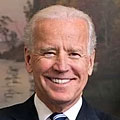
 Congratulations to our presumptive Democratic nominee, Joe Biden!
Democratic Primaries
In reply to the discussion: The Sanders Institute raised more than $361,000 last year from a total of 13 large contributions [View all]karynnj
(61,286 posts)My opinion is that trade is global whether we like it or not. Companies can and will contract to make items in low wage countries. In fact, in some industries it would be near impossible to compete doing otherwise.
One example is clothing, especially things like women's dresses. If you go to any department store that still exists and look at the tags, you will not easily find a dress that is not made somewhere like Sri Lanka, Vietnam etc. The US dress companies all use foreign made material and production of the dresses.
There have been only two ways that the foreign plants have been pushed to provide better conditions for workers. One is that a trade deal can demand a minimum.
The other is when customers, who here of bad conditions in places making clothes for specific manufacturers, boycott that brand. In the 1990s, long before TPP, such a campaign did have an impact - both on the actions of the targeted companies and others, who wanted to avoid ever being targeted. One result was that (I think an NGO) wrote a list of promises that a plant could sign - and by inspected for compliance that many US companies required their suppliers to comply with.
Because my husband worked in IT for a dress manufacturer and our daughter did a study abroad for her world religions undergrad degree, we actually saw the factory their supplier ran when we visited Sri Lanka as our daughter's study was finishing. My husband had mentioned that we were going to go when he met him in NYC and the owner invited us for dinner and a tour.
As we entered the building, we saw a plaque in English and Sinhalese that listed the values they had agreed to. Our daughter, as part of her studies had learned basic Sinhalese. There also was a list of companies that they manufactured dresses for. I have no idea whether complying with the standards changed their conditions or how they treated their employees.
The factory had very high ceilings, was extremely white and clean and surprisingly calm and quiet. It was interesting to see the assembly line. The factory had the patterns laid out as they were to be cut on huge sheets that were printed out on special printers. The NYC office created the pattern and determined how to efficiently cut the pattern correctly. The factory placed the pattern on something like 30 layers of cloth - all positioned per directions to get the pattern correct - and were cut by a tool moved remotely following the pattern.
The pieces were then distributed to stations on the assembly line. The assembly line had more people for more time consuming tasks, so as we watched things moved smoothly. At the end - and when someone on the line called them over earlier - there were quality control people who could reject problem pieces. We were told there was a group of more skilled workers who fixed most of the rejected dresses.
While knowing that we saw what they wanted us to see, this was not the Triangle Shirtwaste Factory, Sri Lanka version. Sri Lanka was in the midst of a civil war and their economy was depressed. These were likely considered good jobs.
As to TPP, the pact did have consistency plans that countries - like Vietnam, Malaysia and Brunei had to meet BEFORE they could enter the agreement. This was similar to what the Obama administration did earlier with the Peru, Columbia and Panama agreements. As this article suggests that was based on the lack of ability to enforce agreements once the trade agreements were in place. The article faults TPP for not having a Mexico plan, but the difference was that Mexico was already in NAFTA, which TPP was to replace. https://www.theatlantic.com/business/archive/2016/01/tpp-mexico-labor-rights/426501/
If I were to vote in a presidentialprimary today, I would vote for: Joe Biden
Edit history
Recommendations
0 members have recommended this reply (displayed in chronological order): = new reply since forum marked as read
Highlight:
NoneDon't highlight anything
5 newestHighlight 5 most recent replies
RecommendedHighlight replies with 5 or more recommendations
= new reply since forum marked as read
Highlight:
NoneDon't highlight anything
5 newestHighlight 5 most recent replies
RecommendedHighlight replies with 5 or more recommendations