The electorate continues to change. The wisdom of the past is becoming unwise.
Much of what passes for conventional wisdom is rooted in a misunderstanding of so-called "independents" and "swing voters." True swing voters are much smaller in number than some suggest (the estimates that they make up 20+ percent of the voting population is absolutely nuts), and what they tend to "swing" against is the status quo or the party that's been in power (in a race against Trump, those voters are more likely to gravitate toward Sanders, because he can be viewed as more opposed to the status quo than his Dem rivals and more opposed to the status quo than the asshole who's been in the White House for the last 3 years). As for "independents," most are highly partisan but hate partisanship. They aren't middle-of-the-road or swing voters, even if they like to think of themselves that way or self-identify as such. Multiple studies have confirmed this. The average independent today is more partisan than the average party-affiliated voter of the 1970s. They're also less likely to vote than party-affiliated voters, but it's clear that many of them (and many disenchanted youth) love Sanders (while the rest of the Dem base will vote for Sanders even if they aren't wild about him). Sanders has become increasingly electable, because there's a large number of voters who either won't vote or will vote 3rd party unless Sanders is the Dem nominee. We let the socialism label scare us at our peril. Letting Bloomberg buy the nomination would be far more devastating, as many members of the base will feel alienated and turnout will be greatly suppressed.
Perceptions of who is viable/electable and who isn't are rooted in the above misunderstandings.
Lastly, this is a very important read: https://www.vox.com/policy-and-politics/2019/9/9/20750160/liberalism-trump-putin-socialism-reactionary.
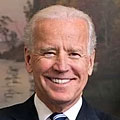 Congratulations to our presumptive Democratic nominee, Joe Biden!
 = new reply since forum marked as read