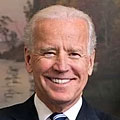
 Congratulations to our presumptive Democratic nominee, Joe Biden!
Democratic Primaries
In reply to the discussion: Bernie Sanders advocates voting rights for incarcerated criminals... [View all]sfwriter
(3,032 posts)I'm glad you are learning about this. It is not an uncommon argument in US prison reform circles.
Precedent and lack of controversial outcomes::
Vermont and Maine already do. It has done no harm.
Racist Context:
This policy of prisoner disenfranchisement puts us in line with Aparthied South Africa, for much the same reason. It is a policy that disproportionately disenfranchises African Americans.
Racist origins: (this is closely related to felon disenfranchisement, for historical reasons):
https://www.nytimes.com/2014/11/19/opinion/the-racist-origins-of-felon-disenfranchisement.html
"The white supremacists who championed such measures were very clear on their reasons. In 1894, a white South Carolina newspaper argued that voting laws needed to be amended, lest whites be swept away at the polls by the black vote. In 1901 Alabama amended its Constitution to expand disenfranchisement to all crimes involving “moral turpitude” — a vague term that was applied to misdemeanors and even acts not punishable by law. The president of the constitutional convention argued that manipulating the ballot to exclude blacks was warranted, because they were inferior to whites and because the state needed to avert the “menace of Negro domination.”
and
"The debate looks a lot different in Maine and Vermont, states where there are no black populations to speak of and racial demonization does not come into the equation. Both states place no restrictions on voting rights for people convicted of even serious crimes and have steadfastly resisted efforts to revoke a system that allows inmates to vote from prison.
Maine residents vigorously debated the issue last year, when the Legislature took up — and declined to pass — a bill that would have stripped the vote from some inmates, whose crimes included murder and other major felonies. Families of murder victims argued that the killers had denied their loved ones the right to vote and therefore should suffer the same fate.
Those who opposed the bill made several arguments: That the franchise is enshrined in the state Constitution and too important to withdraw on a whim; that voting rights keep inmates connected to civic life and make it easier for them to rejoin society; that the notion of restricting rights for people in prison was inconsistent with the values of the state."
International norms:
"Many countries fully recognize the right of incarcerated citizens to vote. Today, 26 European nations at least partially protect their incarcerated citizens’ right to vote, while 18 countries grant prisoners the vote regardless of the offense. In Germany, Norway, and Portugal, only crimes that specifically target the “integrity of the state” or “constitutionally protected democratic order” result in disenfranchisement. The European Court of Human Rights has forcefully defended the voter franchise, going so far as to condemn in 2005 Britain’s blanket ban on voting rights for prisoners, calling it a violation of human rights. In December of last year, after 12 years of resistance to the ECHR’s decision, the UK partially relented by allowing prisoners on temporary release and at home under curfew to cast their ballots."
https://www.peoplespolicyproject.org/projects/prisoner-voting/
 If I were to vote in a presidential
primary today, I would vote for: Undecided
Edit history
Recommendations
0 members have recommended this reply (displayed in chronological order): = new reply since forum marked as read
Highlight:
NoneDon't highlight anything
5 newestHighlight 5 most recent replies
RecommendedHighlight replies with 5 or more recommendations
= new reply since forum marked as read
Highlight:
NoneDon't highlight anything
5 newestHighlight 5 most recent replies
RecommendedHighlight replies with 5 or more recommendations