Welcome to DU!
The truly grassroots left-of-center political community where regular people, not algorithms, drive the discussions and set the standards.
Join the community:
Create a free account
Support DU (and get rid of ads!):
Become a Star Member
Latest Breaking News
Editorials & Other Articles
General Discussion
The DU Lounge
All Forums
Issue Forums
Culture Forums
Alliance Forums
Region Forums
Support Forums
Help & Search
General Discussion
Showing Original Post only (View all)MUST READ: 'The Case for Reparations' - The Atlantic [View all]
The Case for ReparationsTwo hundred fifty years of slavery. Ninety years of Jim Crow. Sixty years of separate but equal. Thirty-five years of racist housing policy. Until we reckon with our compounding moral debts, America will never be whole.
Ta-Nehisi Coates - TheAtlantic
MAY 21, 2014
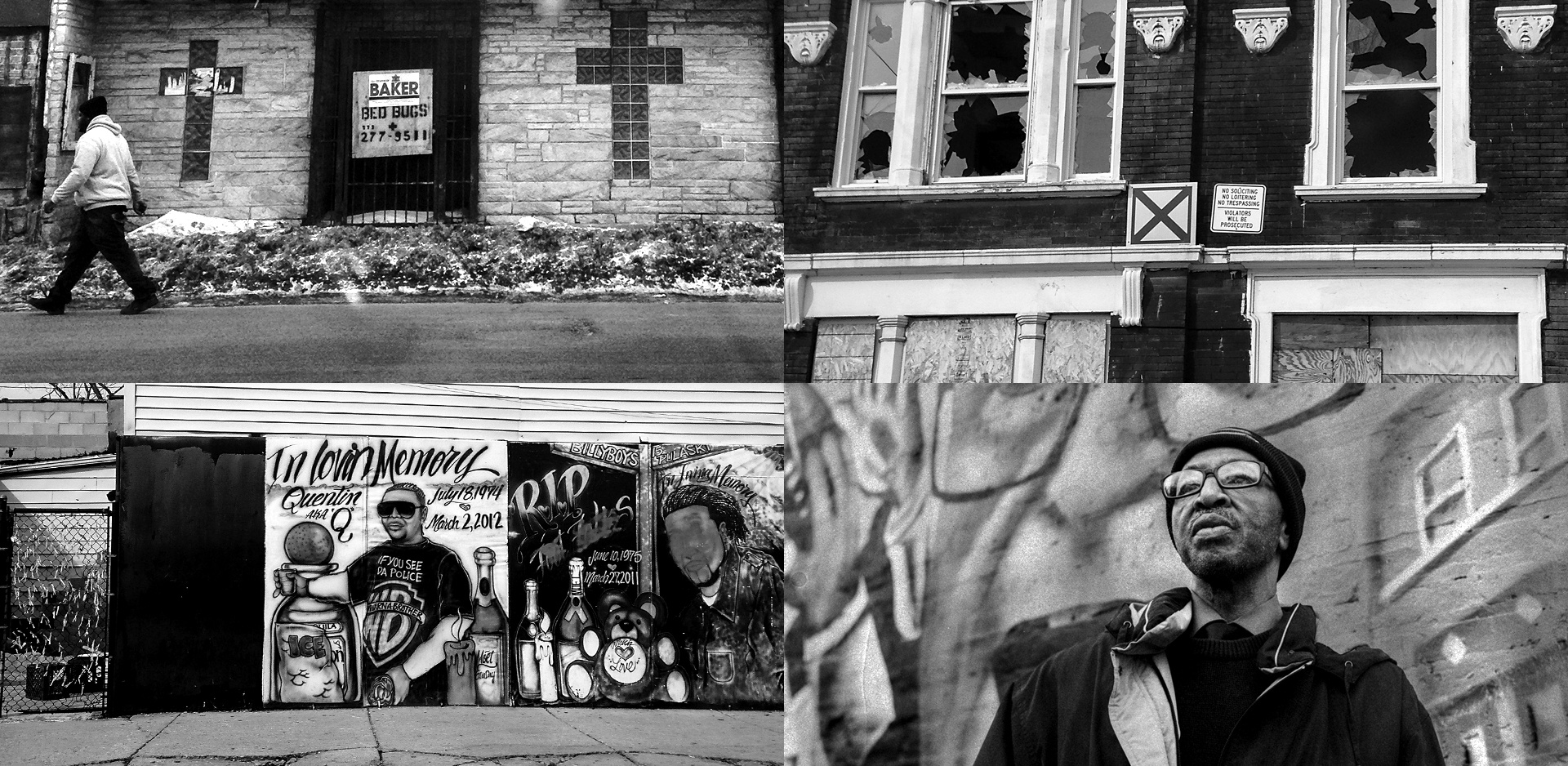
<snip>
Clyde Ross was born in 1923, the seventh of 13 children, near Clarksdale, Mississippi, the home of the blues. Ross’s parents owned and farmed a 40-acre tract of land, flush with cows, hogs, and mules. Ross’s mother would drive to Clarksdale to do her shopping in a horse and buggy, in which she invested all the pride one might place in a Cadillac. The family owned another horse, with a red coat, which they gave to Clyde. The Ross family wanted for little, save that which all black families in the Deep South then desperately desired—the protection of the law.
In the 1920s, Jim Crow Mississippi was, in all facets of society, a kleptocracy. The majority of the people in the state were perpetually robbed of the vote—a hijacking engineered through the trickery of the poll tax and the muscle of the lynch mob. Between 1882 and 1968, more black people were lynched in Mississippi than in any other state. “You and I know what’s the best way to keep the nigger from voting,” blustered Theodore Bilbo, a Mississippi senator and a proud Klansman. “You do it the night before the election.”
The state’s regime partnered robbery of the franchise with robbery of the purse. Many of Mississippi’s black farmers lived in debt peonage, under the sway of cotton kings who were at once their landlords, their employers, and their primary merchants. Tools and necessities were advanced against the return on the crop, which was determined by the employer. When farmers were deemed to be in debt—and they often were—the negative balance was then carried over to the next season. A man or woman who protested this arrangement did so at the risk of grave injury or death. Refusing to work meant arrest under vagrancy laws and forced labor under the state’s penal system.
Well into the 20th century, black people spoke of their flight from Mississippi in much the same manner as their runagate ancestors had. In her 2010 book, The Warmth of Other Suns, Isabel Wilkerson tells the story of Eddie Earvin, a spinach picker who fled Mississippi in 1963, after being made to work at gunpoint. “You didn’t talk about it or tell nobody,” Earvin said. “You had to sneak away.”
“Some of the land taken from black families has become a country club in Virginia,” the AP reported.
When Clyde Ross was still a child, Mississippi authorities claimed his father owed $3,000 in back taxes. The elder Ross could not read. He did not have a lawyer. He did not know anyone at the local courthouse. He could not expect the police to be impartial. Effectively, the Ross family had no way to contest the claim and no protection under the law. The authorities seized the land. They seized the buggy. They took the cows, hogs, and mules. And so for the upkeep of separate but equal, the entire Ross family was reduced to sharecropping.
This was hardly unusual. In 2001...
<snip>
More: http://www.theatlantic.com/features/archive/2014/05/the-case-for-reparations/361631/

15 replies
 = new reply since forum marked as read
Highlight:
NoneDon't highlight anything
5 newestHighlight 5 most recent replies
= new reply since forum marked as read
Highlight:
NoneDon't highlight anything
5 newestHighlight 5 most recent replies
= new reply since forum marked as read
Highlight:
NoneDon't highlight anything
5 newestHighlight 5 most recent replies
Please do not discount race. Class does not supplant race. We must be honest...
Liberal_Stalwart71
May 2014
#12
Especially relevant bits in light of certain discussions in this forum:
Spider Jerusalem
May 2014
#5