For Indigenous Zapotec Families, Spinning Becomes a Lifeline [View all]
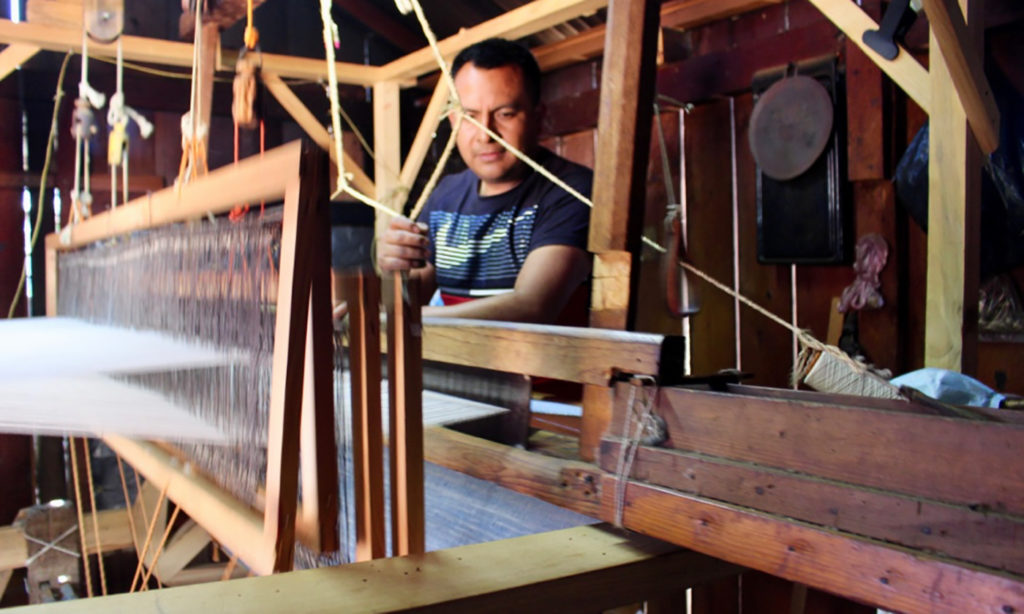
Marciano Vargas Ramírez, extended family member of Khadi Oaxaca co-founder, Eliseo "Cheo" Ramírez, working a pedal loom. Many weavers at Khadi Oaxaca once immigrated to the city or to the U.S. to earn a living. Now they can work from home, together with their families.
PHOTOS BY TRACY L. BARNETT
The COVID-19 pandemic has hurt communities all over Mexico. But a network of Indigenous artisans is finding a way to survive during the shutdown.
BY TRACY L. BARNETT
10 MIN READJUN 17, 2020
High up in the southern sierra of Mexico’s state of Oaxaca, an innovative nonprofit business inspired by Mohandas Gandhi is helping Indigenous Zapotec families to weather the economic storm that COVID-19 has brought to the Mexican countryside.
San Sebastian Rio Hondo, a Zapotec highland village like many others, has traditionally supplemented its agrarian way of life through the wool industry. Long famous for its rich tradition of Indigenous handwoven textiles, Oaxaca has nevertheless fallen on hard times, along with most of rural Mexico, partly because of policies promoting urbanization and undermining the traditional rural way of life.
In San Sebastian, the hardship has been severe: as of the 2010 census, 55% of the population lived in extreme poverty, more than a third had not completed primary school, and more than two-thirds did not have a high school education. Unemployment continues to be high, compelling a high rate of migration out of the state and out of Mexico. Among the women, job opportunities were practically nonexistent.
This was the context that Eliseo “Cheo” Ramírez was born into. In his parents’ and grandparents’ time, villagers grazed sheep and helped cover expenses by making woolen textiles. In the 1970s and ’80s, however, the Mexican government initiated a program to plant pine trees for lumber, and the pastures and native forests began to shrink. The industrial clothing industry began producing cheap synthetic yarns. Spinning and weaving, once a staple in every home, fell by the wayside. The children of weavers and farmers began making their way north to work in the U.S. as meatpackers and migrant farmworkers.
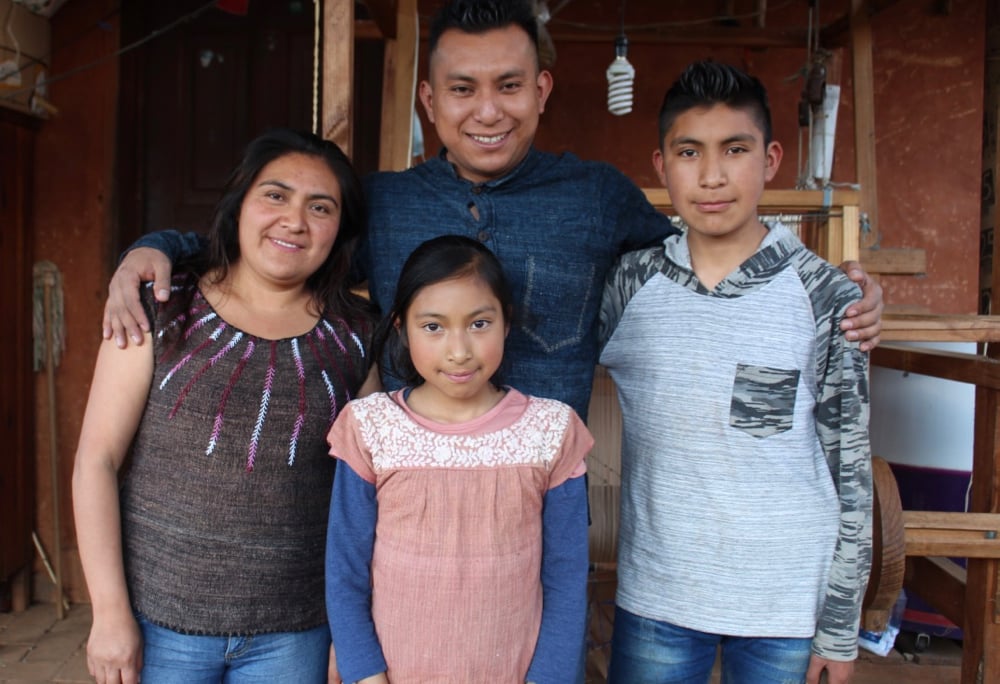
The Ramírezes, co-founding family of Khadi Oaxaca. Clockwise from center, Eliseo “Cheo,” Giovani, Diana and Felipa. Photo by Tracy L. Barnett.
More:
https://www.yesmagazine.org/economy/2020/06/17/coronavirus-mexico-indigenous-families-handspun-thread/?utm_source=feedburner&utm_medium=feed&utm_campaign=Feed%3A+yes%2Fmost-recent-articles+%28YES%21+Magazine+Most+Recent+Articles%29

 = new reply since forum marked as read