Latin America
Showing Original Post only (View all)
The Coronavirus Is Bringing Back Aztec-Era "Floating Gardens" [View all]
13 HOURS AGO
Business is booming for farmers in Mexico City who plant on man-made islands.
AMANDA GOKEE
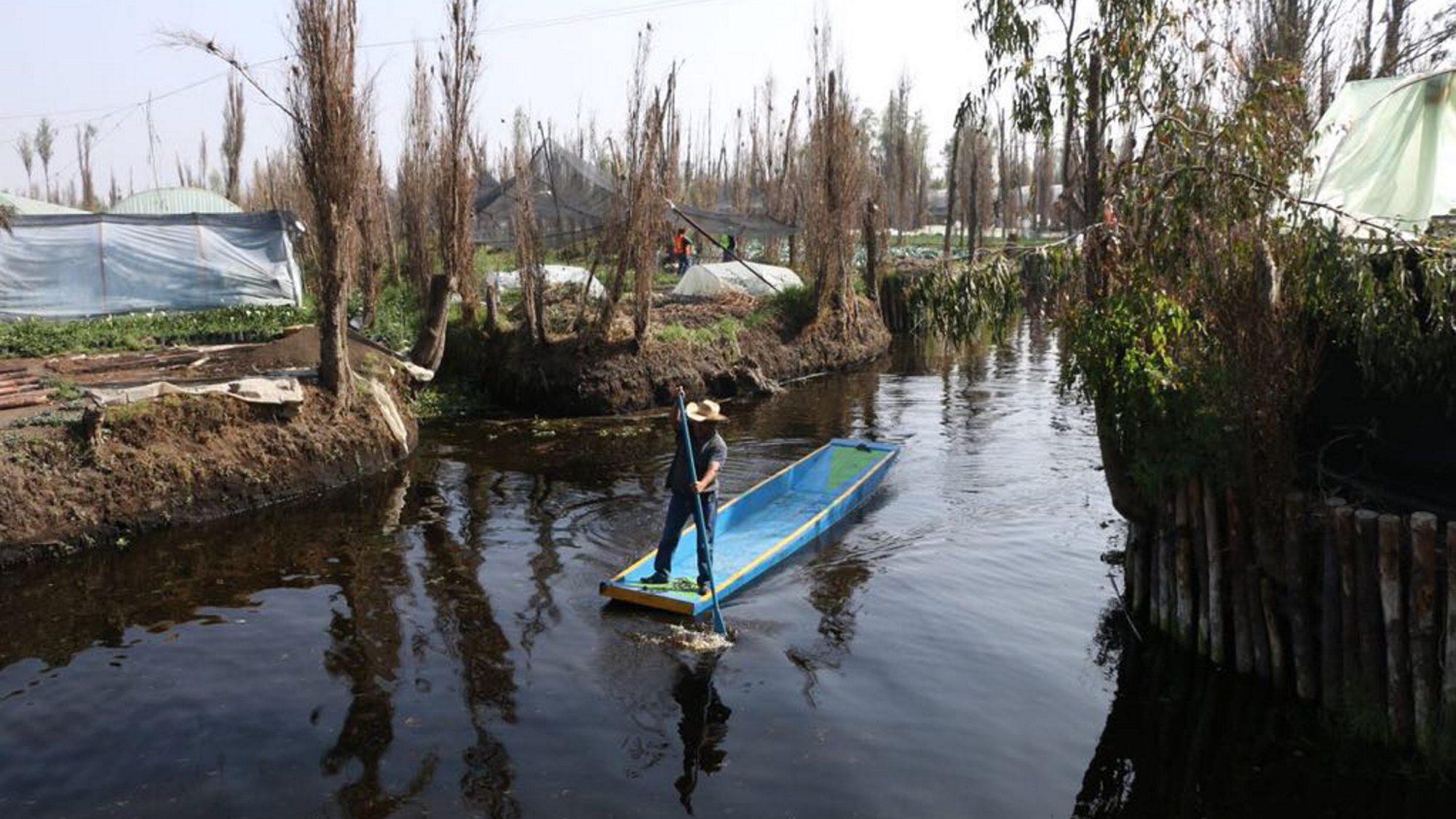
Chinampas.Especial/Zuma
In the south of Mexico City, about 100 miles of murky canals wind their way through the Xochimilco neighborhood. Here, the urban sprawl of one of the world’s densest cities yields to a lake region where indigenous farmers have been cultivating a unique system of floating gardens since pre-colonial times. Called chinampas, these floating gardens were built by the Aztecs to feed a growing population.
Xochimilco became one of the city’s main sources of food, but rapid urbanization in the 1900s meant less land available for farming. In 1985, when an earthquake struck Mexico City, many chinampas were abandoned as people who had lost their homes built shanty towns. Today, only an estimated 20 percent of the approximately 5,000 acres of chinampas are in use, and only 3 percent are used for farming.
But since the COVID-19 pandemic hit Mexico, interrupting the industrial food supply in important ways, small farmers have increased production and rehabilitated abandoned chinampas to fill the demand for fresh, local food.
“We’re talking about something that’s 1,000 years old. We have to preserve this,” says Raúl Mondragón on a Zoom call from his home in Mexico City. Mondragón has been recuperating chinampas since 2016, when he founded Colectivo Ahuejote. Now the virus is revealing the strength of this model in the midst of a crisis.
More:
https://www.motherjones.com/environment/2020/07/the-coronavirus-is-bringing-back-aztec-era-floating-gardens/
Also posted in Environment and energy:
https://www.democraticunderground.com/1127138812
~ ~ ~

7 APRIL, 2014 - 22:47 DHWTY
Chinampas, The Floating Gardens of Mexico
Human sacrifice. This is probably the first thing that comes to people’s minds when they think about the Aztecs. However, there is much more to Aztec civilisation than this practice. By 1519, when the first Spanish conquistadors under Hernán Cortés landed in Mexico, the Aztecs were in control of an empire that was inhabited by a population of 5 to 6 million people. This large population meant that the exploitation of the landscape for agricultural purposes had to be intensified. This can be seen in the use of the chinampa agricultural system, the so-called ‘floating gardens’ which can be found on the shallow lake beds in the Valley of Mexico.
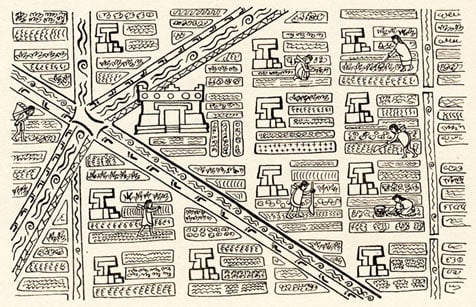
An a rtist’s impression of part of the canal network linking chinampas around Tenochtitlan. Photo source: Mexicolore
Although the origins of chinampa agriculture in the Valley of Mexico remain unclear, it is said to have been used throughout Mesoamerica centuries prior to the rise of the Aztecs. However, with the dawn of the Aztec Empire, a systematic programme of construction was carried out over a short period of time. This planning can be seen in the overall uniformity in chinampa size and orientation, as observed in aerial surveys. While the need to sustain large population provided prompted the Aztecs to undertake this massive project, its ability to organise manpower provided the means for its accomplishment.

More:
https://www.ancient-origins.net/ancient-places-americas/chinampas-floating-gardens-mexico-001537
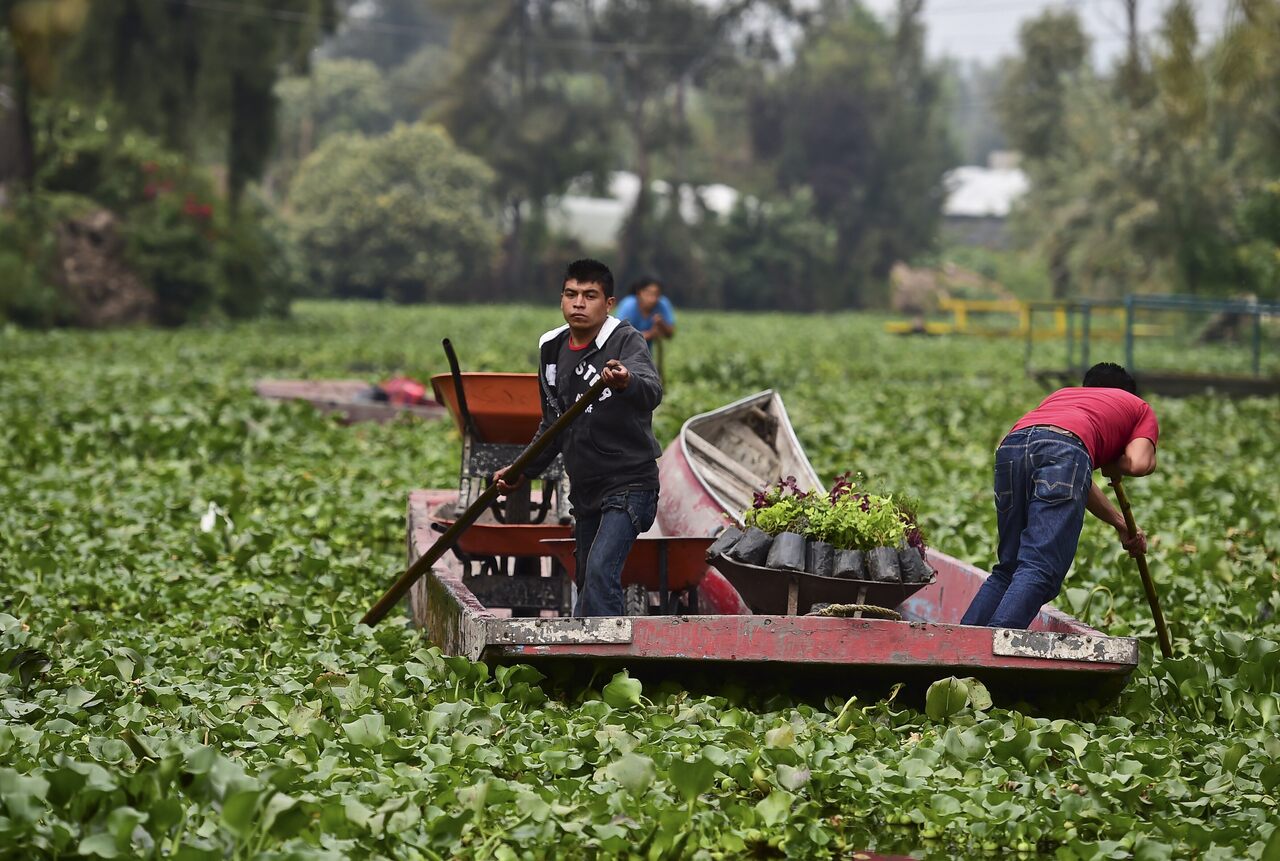
Farmers on a trajinera, a traditional flat-bottomed river boat. RONALDO SCHEMIDT/AFP VIA GETTY IMAGES
How to Feed a Megacity Like the Aztecs
The chinampas that nourished Tenochtitlan may hold the key to better urban gardens.
BY REINA GATTUSO
WHEN CONQUISTADOR HERNÁN CORTÉS REACHED Tenochtitlan in 1519, he beheld a floating city. The temples and palaces of the Aztec capital gleamed white from an island in the middle of a vast lake, all spread under a searing blue sky. With an estimated population of 200,000, roughly the size of contemporary Paris, the city overflowed with people. Around the metropolis, an archipelago of lush islands emerged from the lake’s glassy surface, overflowing with plants.
These were the floating gardens, or chinampas, that fed the Aztec Empire. Constructed of layers of earth taken from the lake bottom, and held together by the tangled roots of diverse and rotating crops, chinampas are rich islands of soil that can produce up to seven harvests a year. The result of Aztec adaptations of earlier agricultural forms, chinampas’ efficiency has gained them UN recognition as a marvel of agricultural ingenuity.
Today, the parched asphalt streets of Mexico City—built on top of the filled-in lake that once bore Tecnochtitlan—show little trace of these lush Edens. But if you head to the southern borough of Xochimilco, where the cusp of the city touches the countryside, the landscape still bears an ancient crisscross of canals. Some of these chinampas have been in use since Aztec times. Most have been built and deconstructed again and again, part of a living current of agricultural knowledge flowing through centuries.
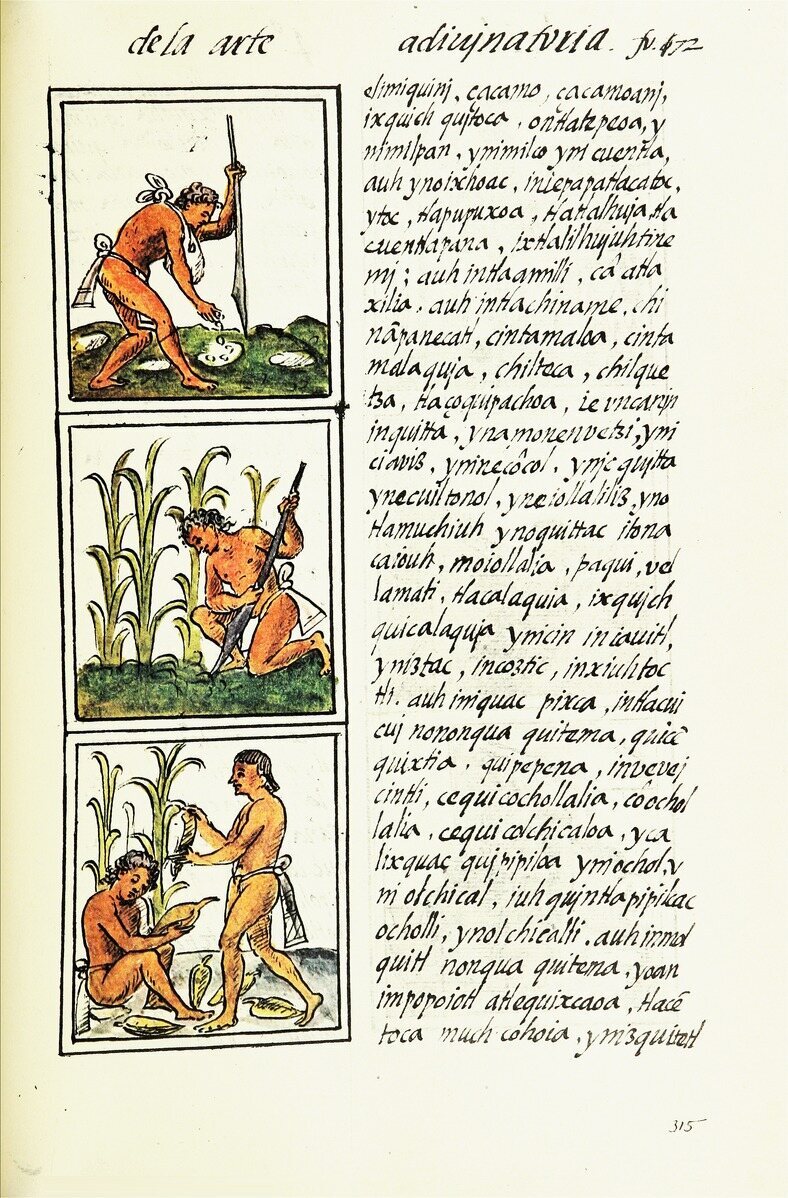
An early Spanish colonial document, the Florentine Codex, details chinampa agriculture in what is now Mexico. THE DIGITAL EDITION OF THE FLORENTINE CODEX/CC BY 3.0
“The way they are built is almost identical to the way they were built in pre-Columbian times,” says Roland Ebel, a Postgraduate Research Associate in Health and Human Development at Montana State University.
NOVEMBER 18, 2019
More:
https://www.atlasobscura.com/articles/floating-farms-mexico-city
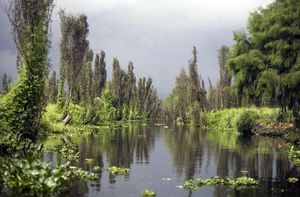
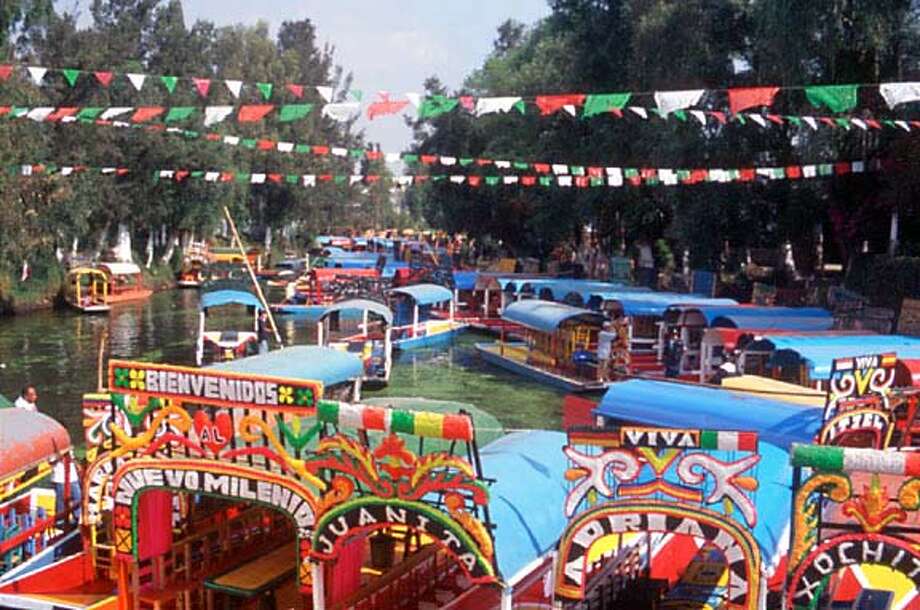
Many, many more photographs with articles:
https://tinyurl.com/y94yo7pq
 = new reply since forum marked as read
Highlight:
NoneDon't highlight anything
5 newestHighlight 5 most recent replies
= new reply since forum marked as read
Highlight:
NoneDon't highlight anything
5 newestHighlight 5 most recent replies