Welcome to DU!
The truly grassroots left-of-center political community where regular people, not algorithms, drive the discussions and set the standards.
Join the community:
Create a free account
Support DU (and get rid of ads!):
Become a Star Member
Latest Breaking News
Editorials & Other Articles
General Discussion
The DU Lounge
All Forums
Issue Forums
Culture Forums
Alliance Forums
Region Forums
Support Forums
Help & Search
erronis
erronis's Journal
erronis's Journal
June 24, 2026
Drones are coming for our cities. The tech is cheap, the threat is real, and our defenses are nearly nonexistent.
A scary piece with no good solution.
The Drone Threat to America's Cities -- Seth Stodder - Lawfare
https://www.lawfaremedia.org/article/the-drone-threat-to-america-s-citiesDrones are coming for our cities. The tech is cheap, the threat is real, and our defenses are nearly nonexistent.
A scary piece with no good solution.
This past March, the FBI warned state law enforcement that Iran might be planning to attack targets in California using drones launched from vessels floating offshore. As it turned out, the threat wasn't real. The warning was based on "unverified" intelligence, and there was no evidence of an actual plot. Californians could breathe a sigh of relief.
But we shouldn't get too comfortable. While the FBI might have been wrong about the specific Iranian plot, the threat of a serious drone attack is growing. And we're not even remotely prepared for it--or the public panic that would likely ensue.
. . .
But make no mistake, a few dozen Shaheds launched from fishing trawlers 15 miles offshore would do serious damage. Traveling at 115 mph, Shaheds could hit targets near the coast--for instance, three of Los Angeles County's four oil refineries--in about 10 minutes. The results could be devastating: death and destruction, environmental damage, toxic plumes over urban areas, and severe fuel shortages that would hammer the Golden State's economy. The drones would fly below radar coverage, making them hard to detect--and neither California's coastline nor the refineries are defended with the kind of interceptors Ukraine uses to block 95 percent of the Shaheds that Russia launches every day. Under current law, only the military is allowed to have that kind of capability--and it's unclear whether military bases in California would actually have the ability to intercept several dozen Shahed drones just minutes away from hitting their targets.
And oil refineries aren't the only infrastructure that's vulnerable in California. There's also the power grid, Los Angeles International Airport (LAX), or the Ports of Los Angeles and Long Beach, where 40 percent of all oceangoing containerized trade enters the U.S., along with most of the oil imported from the Middle East or brought from Alaska to supply California's economy. As Port of LA Executive Director Gene Seroka noted at the time of the FBI's warning about the supposed Iranian plot, "these ports, airports and utilities are soft targets for the bad guys." And the same could be said for coastal cities and infrastructure in other parts of the United States and around the world, such as the dense network of oil and gas infrastructure in Texas, Louisiana, and Mississippi along the Gulf Coast or major seaports like the Port of New York and New Jersey, Charleston, or Rotterdam in the Netherlands.
. . .
But we shouldn't get too comfortable. While the FBI might have been wrong about the specific Iranian plot, the threat of a serious drone attack is growing. And we're not even remotely prepared for it--or the public panic that would likely ensue.
. . .
But make no mistake, a few dozen Shaheds launched from fishing trawlers 15 miles offshore would do serious damage. Traveling at 115 mph, Shaheds could hit targets near the coast--for instance, three of Los Angeles County's four oil refineries--in about 10 minutes. The results could be devastating: death and destruction, environmental damage, toxic plumes over urban areas, and severe fuel shortages that would hammer the Golden State's economy. The drones would fly below radar coverage, making them hard to detect--and neither California's coastline nor the refineries are defended with the kind of interceptors Ukraine uses to block 95 percent of the Shaheds that Russia launches every day. Under current law, only the military is allowed to have that kind of capability--and it's unclear whether military bases in California would actually have the ability to intercept several dozen Shahed drones just minutes away from hitting their targets.
And oil refineries aren't the only infrastructure that's vulnerable in California. There's also the power grid, Los Angeles International Airport (LAX), or the Ports of Los Angeles and Long Beach, where 40 percent of all oceangoing containerized trade enters the U.S., along with most of the oil imported from the Middle East or brought from Alaska to supply California's economy. As Port of LA Executive Director Gene Seroka noted at the time of the FBI's warning about the supposed Iranian plot, "these ports, airports and utilities are soft targets for the bad guys." And the same could be said for coastal cities and infrastructure in other parts of the United States and around the world, such as the dense network of oil and gas infrastructure in Texas, Louisiana, and Mississippi along the Gulf Coast or major seaports like the Port of New York and New Jersey, Charleston, or Rotterdam in the Netherlands.
. . .
June 24, 2026
Noel Sims
A nice long recitation of the sins, crimes, and faults of Paxton. Opening paragraphs:
A citizen's guide to Ken Paxton -- Popular Information
https://popular.info/p/a-citizens-guide-to-ken-paxtonNoel Sims
A nice long recitation of the sins, crimes, and faults of Paxton. Opening paragraphs:
Last month, Texas Attorney General Ken Paxton won the state's Republican runoff for US Senate by nearly 30 points, delivering a resounding defeat to incumbent Senator John Cornyn (R-TX).
Paxton's victory was even more impressive considering the ethical controversies that have plagued his tenure as an elected official. As Attorney General, Paxton has been indicted on felony securities fraud charges, investigated by the SEC, impeached by the Texas House, and sued by the State Bar of Texas for professional misconduct. He was repeatedly accused of using his government position for personal gain -- including by members of his staff.
Paxton began his political career more than two decades ago, when he was elected to the Texas House in 2003. He became a state senator in 2013 and then took office as Texas Attorney General in 2015. Paxton is married to another Texas state senator, Angela Paxton, although the couple is currently getting divorced.
Before Paxton's political career began, he was a lawyer with less than $175,000 in assets. Now, he is a multimillionaire.
. . .
Paxton's victory was even more impressive considering the ethical controversies that have plagued his tenure as an elected official. As Attorney General, Paxton has been indicted on felony securities fraud charges, investigated by the SEC, impeached by the Texas House, and sued by the State Bar of Texas for professional misconduct. He was repeatedly accused of using his government position for personal gain -- including by members of his staff.
Paxton began his political career more than two decades ago, when he was elected to the Texas House in 2003. He became a state senator in 2013 and then took office as Texas Attorney General in 2015. Paxton is married to another Texas state senator, Angela Paxton, although the couple is currently getting divorced.
Before Paxton's political career began, he was a lawyer with less than $175,000 in assets. Now, he is a multimillionaire.
. . .
June 23, 2026
Sarah Hopkins
Kent Kiehl convinced the US legal system he can find violence in prisoners' brains. His theories have been since used by defense lawyers - with grave consequences for prisoners

Too much information to easily excerpt in four paragraphs. Please read the article if you are interested.
A scientist says he can scan prisoners' brains for signs of evil. Did his disputed science put a man on death row?
https://www.theguardian.com/us-news/ng-interactive/2026/jun/23/scientist-us-legal-system-violence-brainSarah Hopkins
Kent Kiehl convinced the US legal system he can find violence in prisoners' brains. His theories have been since used by defense lawyers - with grave consequences for prisoners
Too much information to easily excerpt in four paragraphs. Please read the article if you are interested.
. . .
Dugan's trial, 17 years ago, was one of the first US court cases to admit brain research as evidence. The case made national news. But Kiehl's evidence didn't convince jurors to be lenient. They sentenced Dugan to death. His sentence was later commuted to life in prison, only after the state of Illinois imposed a moratorium on the death penalty.
But what happened in the aftermath was seismic. In the years that followed Kiehl's testimony, the science of biological criminality, though shaky, was invoked in thousands of cases. Defense attorneys, in particular, used biological evidence like brain scans to argue that their clients should receive lighter sentences.
From 2005 to 2015, the use of brain evidence in criminal defenses appeared in more than 2,800 judicial opinions, according to a 2019 study. The researchers estimated that neurological arguments for reduced criminal responsibility appeared in roughly 10-12% of US murder trials, about 25% of death-penalty trials. Overall, 40% of serious felony cases referred to brain-based evidence.
. . .
The stakes are profound. A body of science that many researchers describe as unreliable has now become routine in capital cases. In US courts, this illusion of scientific certainty has led to some defendants being sentenced to death.
. . .
Dugan's trial, 17 years ago, was one of the first US court cases to admit brain research as evidence. The case made national news. But Kiehl's evidence didn't convince jurors to be lenient. They sentenced Dugan to death. His sentence was later commuted to life in prison, only after the state of Illinois imposed a moratorium on the death penalty.
But what happened in the aftermath was seismic. In the years that followed Kiehl's testimony, the science of biological criminality, though shaky, was invoked in thousands of cases. Defense attorneys, in particular, used biological evidence like brain scans to argue that their clients should receive lighter sentences.
From 2005 to 2015, the use of brain evidence in criminal defenses appeared in more than 2,800 judicial opinions, according to a 2019 study. The researchers estimated that neurological arguments for reduced criminal responsibility appeared in roughly 10-12% of US murder trials, about 25% of death-penalty trials. Overall, 40% of serious felony cases referred to brain-based evidence.
. . .
The stakes are profound. A body of science that many researchers describe as unreliable has now become routine in capital cases. In US courts, this illusion of scientific certainty has led to some defendants being sentenced to death.
. . .
June 23, 2026
Apologies if this is too frequently posted. I haven't seen it before...
For the more cerebral of you: https://en.wikipedia.org/wiki/The_Philosophers%27_Football_Match
Monty Python's World Cup Team of Philosophers
Apologies if this is too frequently posted. I haven't seen it before...
For the more cerebral of you: https://en.wikipedia.org/wiki/The_Philosophers%27_Football_Match
June 23, 2026
by American Heart Association
Survey finds half of US employees struggle to cover basic expenses due to health care costs
https://medicalxpress.com/news/2026-06-survey-employees-struggle-basic-expenses.htmlby American Heart Association
U.S. employees are highly motivated to improve their health but are limited by finances, time and work structure, according to a recent survey conducted by The Harris Poll on behalf of the American Heart Association.
The rising cost of health care is a particularly pressing concern. Half (50%) of survey respondents agree that health care costs have made it difficult to afford day-to-day expenses, including food, child care and rent. Nearly as many (47%) say they have stopped or decreased their retirement contributions to afford health care costs and maintain a healthy lifestyle. For employees already stretched thin by limited wage growth and inflation, health care costs represent a larger percentage of take-home pay, leaving even less room to absorb price increases or unexpected expenses.
"No one should have to skip buying groceries or halt their retirement savings to cover medical expenses," said Nancy Brown, chief executive officer of the American Heart Association. "The American Heart Association is committed to addressing health care affordability in our efforts to build a world of longer, healthier lives. Employers are important allies in this work--their influence is critical to prioritizing more affordable, accessible care for all."
According to a 2026 Business Group on Health survey, large employers anticipate a median 9% increase in health care costs this year before cost-reduction measures. In response, business leaders are increasingly focused not only on lowering costs but also on how they can strengthen comprehensive support and drive systems-level change for the well-being of the workforce.
. . .
The rising cost of health care is a particularly pressing concern. Half (50%) of survey respondents agree that health care costs have made it difficult to afford day-to-day expenses, including food, child care and rent. Nearly as many (47%) say they have stopped or decreased their retirement contributions to afford health care costs and maintain a healthy lifestyle. For employees already stretched thin by limited wage growth and inflation, health care costs represent a larger percentage of take-home pay, leaving even less room to absorb price increases or unexpected expenses.
"No one should have to skip buying groceries or halt their retirement savings to cover medical expenses," said Nancy Brown, chief executive officer of the American Heart Association. "The American Heart Association is committed to addressing health care affordability in our efforts to build a world of longer, healthier lives. Employers are important allies in this work--their influence is critical to prioritizing more affordable, accessible care for all."
According to a 2026 Business Group on Health survey, large employers anticipate a median 9% increase in health care costs this year before cost-reduction measures. In response, business leaders are increasingly focused not only on lowering costs but also on how they can strengthen comprehensive support and drive systems-level change for the well-being of the workforce.
. . .
June 22, 2026
Good discussion with Joyce Vance and Timothy Snyder on the threat to democracy
and what we can do about it. Two very sharp minds in a great dialog.
https://open.substack.com/live-stream/251306
(38 minutes)
June 22, 2026
It's Not All About Money -- Digby
https://digbysblog.net/2026/06/22/its-not-all-about-money/Navigator Research asked people about what it means to be an American:
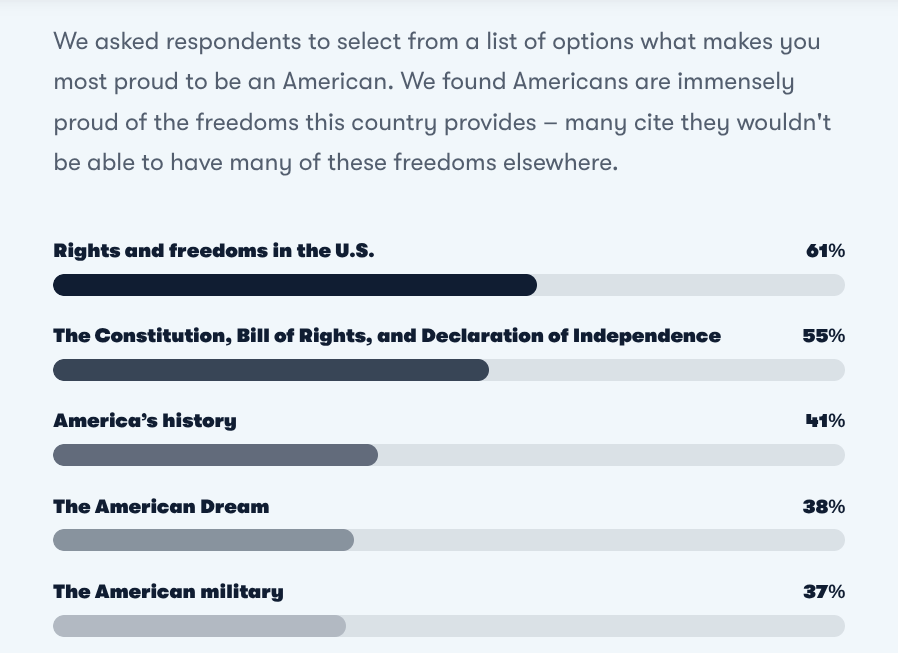
It seems like this might be a good thing to talk about:

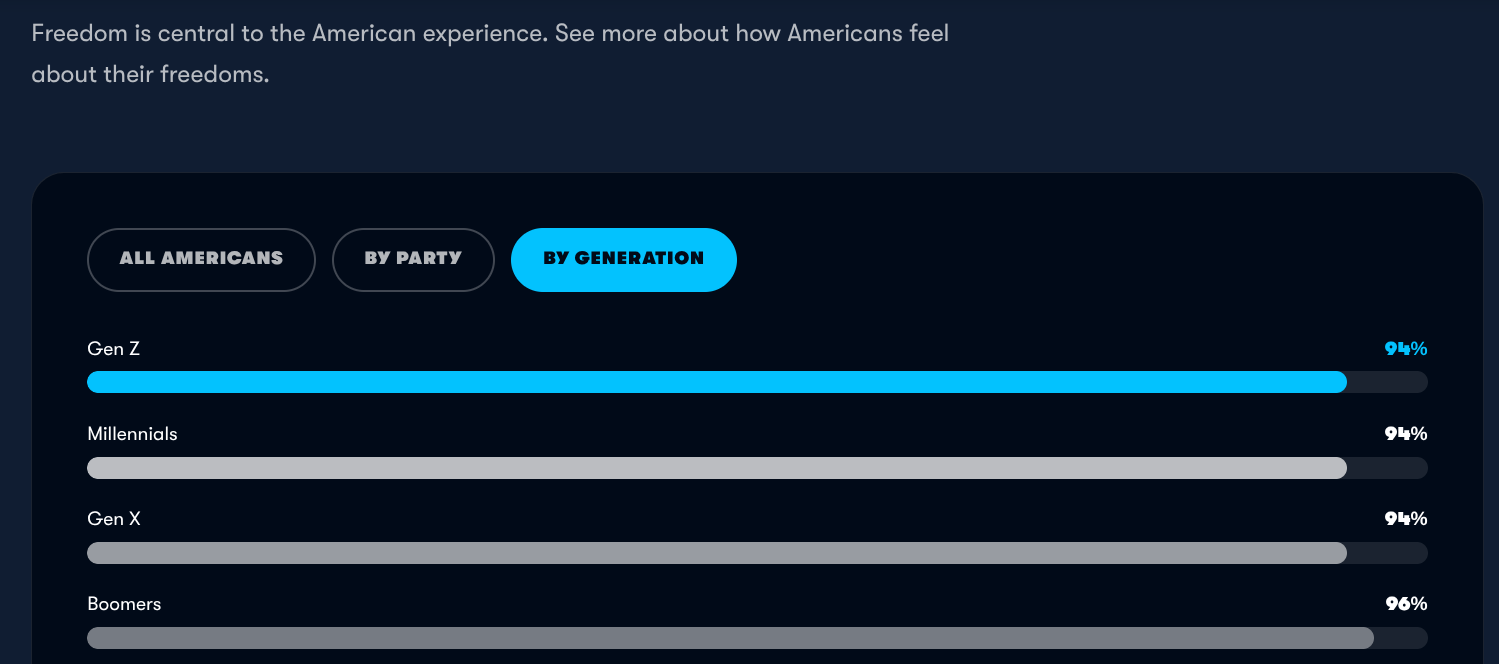
Oh boy... this will fry some brains:

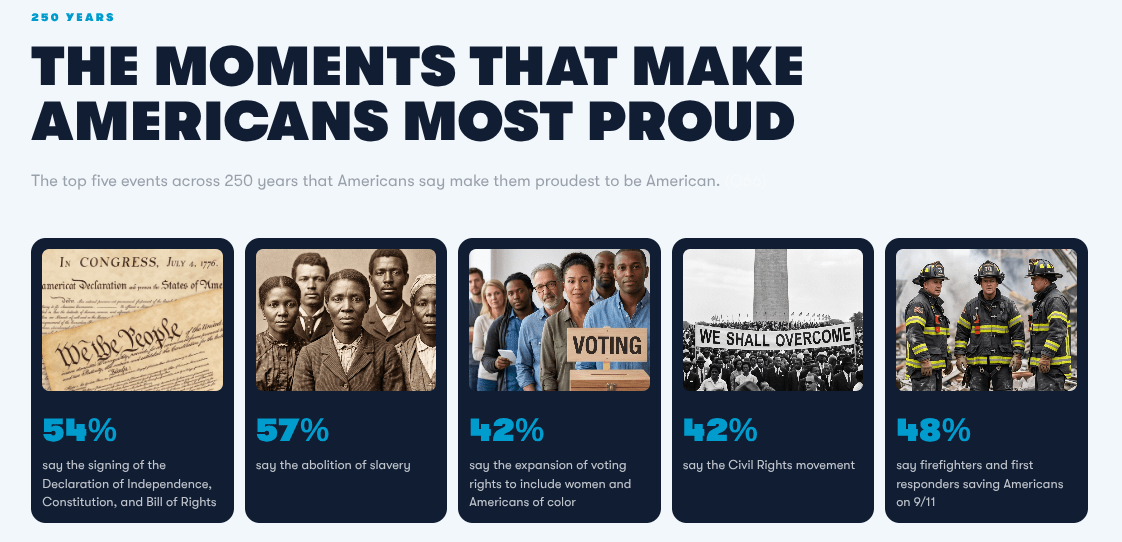
Huh. January 6th doesn't make the list? How weird.
It seems like this might be a good thing to talk about:
Oh boy... this will fry some brains:
Huh. January 6th doesn't make the list? How weird.
June 22, 2026
Maggie Hames, Mei Peng, The Conversation

Another one of my "Well, duh" clippings.
Craving something for dinner? Your mind may be 'tasting' food before you eat it
https://medicalxpress.com/news/2026-06-craving-dinner-mind-food.htmlMaggie Hames, Mei Peng, The Conversation
Another one of my "Well, duh" clippings.
We've all made that mistake. A quick trip to the supermarket on an empty stomach ends with a trolley full of fatty, sugary treats that seemed impossible to resist at the time.
It speaks to that old adage about hunger making our eyes bigger than our bellies. But our newly published research finds food cravings can also alter our "mind's eye"--that mental imagery that enables us to visualize, or even taste, that first bite.
. . .
Intriguingly, we have also discovered that not all of us can do this in the same way: Some can relive sensory experiences in rich detail, while others can form only faint impressions.
Moreover, these abilities don't appear to be fixed: Just how easily we can draw on this mental imagery can change depending on our internal state and motivations.
. . .
It speaks to that old adage about hunger making our eyes bigger than our bellies. But our newly published research finds food cravings can also alter our "mind's eye"--that mental imagery that enables us to visualize, or even taste, that first bite.
. . .
Intriguingly, we have also discovered that not all of us can do this in the same way: Some can relive sensory experiences in rich detail, while others can form only faint impressions.
Moreover, these abilities don't appear to be fixed: Just how easily we can draw on this mental imagery can change depending on our internal state and motivations.
. . .
June 21, 2026
'Where can you get a reasonably priced abortion in this town?'
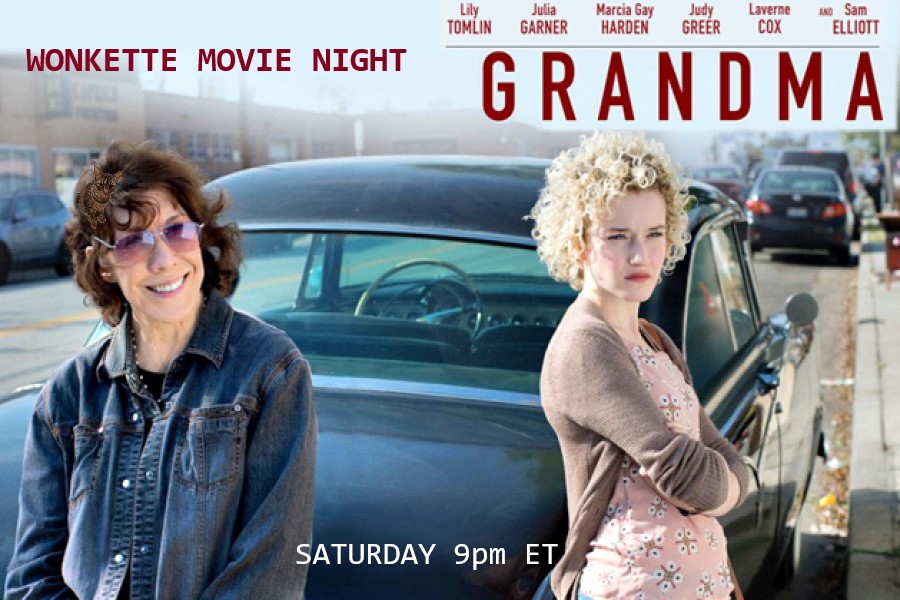
Wonkette Movie Night: Grandma -- with Lily Tomlin
https://www.wonkette.com/p/wonkette-movie-night-grandma'Where can you get a reasonably priced abortion in this town?'
Three generations of women: granddaughter, mother, and grandma, complicated people with complicated relationships. Grandma is the story of three women and their confused but very human connectedness. Yet the story is a fairly simple one.
A granddaughter (Sage) gets pregnant and goes to her more liberal-minded, lesbian grandma (Elle) for help over her business-focused mother (Judy). Sage needs money for an abortion that she has scheduled at the end of the day.
The two women embark on a journey in Elle's 1955 Dodge Royal Lancer (which was Lily Tomlin's personal vehicle) to get the money. The journey they take is of remembrances of Elle's life and the people whose lives she touched.
The movie is full of sharp wit delivered perfectly by the talented cast but the amazing Lily Tomlin steals the show. When I was first looking for movies to schedule for Pride month I wanted half of the movies to be centered on women. So I picked two films that offered entirely different takes on lesbians and the power of women. The first was Bound, a film I had seen a couple of times.
. . .
A granddaughter (Sage) gets pregnant and goes to her more liberal-minded, lesbian grandma (Elle) for help over her business-focused mother (Judy). Sage needs money for an abortion that she has scheduled at the end of the day.
The two women embark on a journey in Elle's 1955 Dodge Royal Lancer (which was Lily Tomlin's personal vehicle) to get the money. The journey they take is of remembrances of Elle's life and the people whose lives she touched.
The movie is full of sharp wit delivered perfectly by the talented cast but the amazing Lily Tomlin steals the show. When I was first looking for movies to schedule for Pride month I wanted half of the movies to be centered on women. So I picked two films that offered entirely different takes on lesbians and the power of women. The first was Bound, a film I had seen a couple of times.
. . .
June 20, 2026
We don't have to live this way
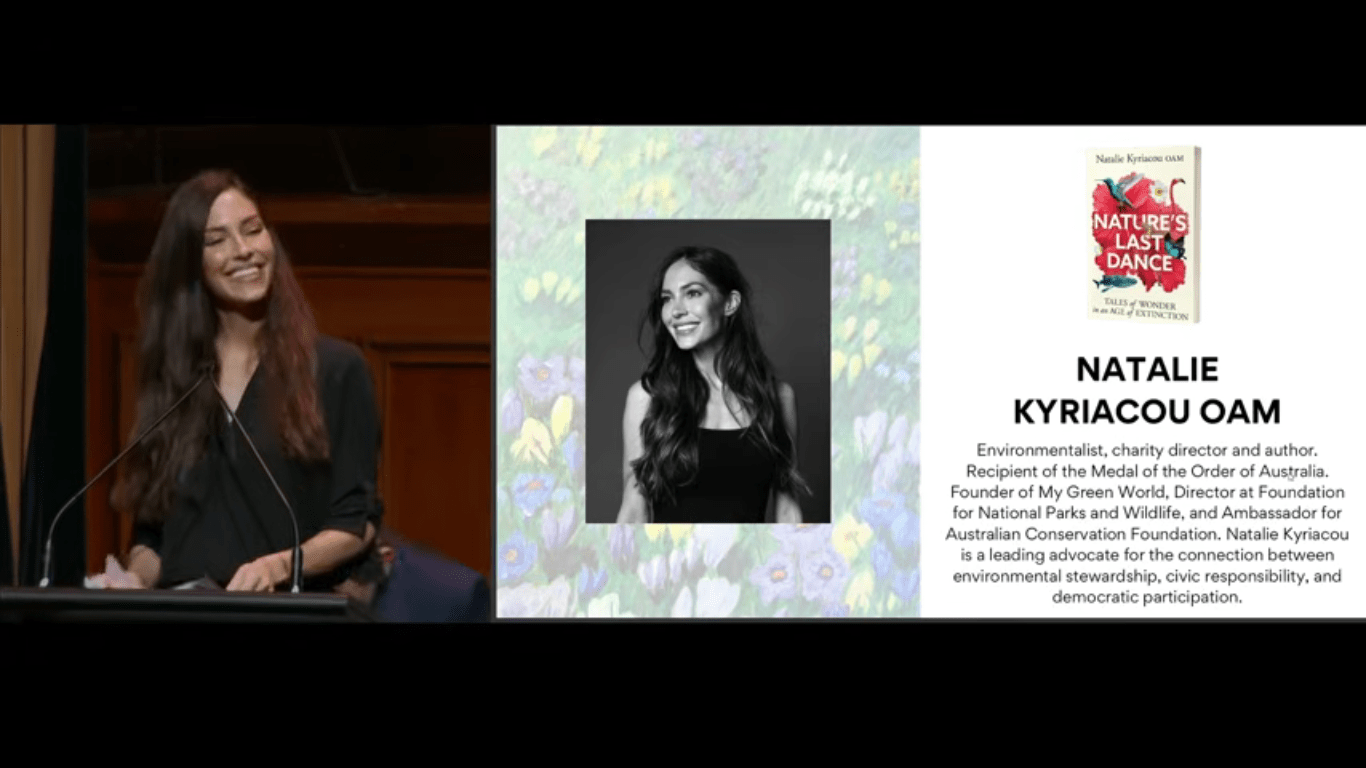
Natalie Kyriacou is a remarkable person with a formidable background and credentials. Some real human emotion displayed in the video. Brava!
Please read the rest of Tom Sullivan's column - a lot of additional great opinions.
Her book info is at https://www.nataliekyriacou.com/about-the-book
History Will Judge Us -- Natalie Kyriacou via Tom Sullivan
https://digbysblog.net/2026/06/20/history-will-judge-us/We don't have to live this way
Natalie Kyriacou is a remarkable person with a formidable background and credentials. Some real human emotion displayed in the video. Brava!
Please read the rest of Tom Sullivan's column - a lot of additional great opinions.
Natalie Kyriacou is an Australian powerhouse I'd never heard of until running across a clip of this speech last night. She spoke six weeks ago to a Conversations at the Crossroads event in Melbourne. It's well worth 15 minutes of your Saturday. The transcript is here.
One section that stood out was her observation (not unique to Kyriacou) that human-made systems like economies and governments are not matters of "that's just the way things are." They are the way they are by design. They are not unchangeable laws of nature.
Kyriacou critiques contemporary society with humor and seriousness:
Looking back in 2014 on the Great Recession, Bill Moyers had a conversation with historian Steve Fraser about the same problem. Fraser noted that Americans have somehow conflated freedom with capitalism, and that leaves us unable to envision an alternative to the mess Kyriacou describes today.
. . .
One section that stood out was her observation (not unique to Kyriacou) that human-made systems like economies and governments are not matters of "that's just the way things are." They are the way they are by design. They are not unchangeable laws of nature.
Kyriacou critiques contemporary society with humor and seriousness:
We have split the atom, cracked the genetic code, and hurtled expensive metal objects into space, sometimes with people inside, mostly just to see if we could. We have built cities that scrape the sky, machines that think and a global communications network that allows people to yell at each other at any time of day, from any part of the world.
But when it comes to the question of whether we should keep our own planet habitable, and keep our own people alive, humans remain curiously undecided.
We have turned the simple matter of survival into an endless controversy.
To be clear, these things happen because we allow them to. There is nothing inevitable about the way we run our economies, draft our laws, or govern our societies. These systems have no independent existence; they exist because we will them to. They are human constructs.
These are rules of our own making; rules that we just made up and now follow with devotion.
Unlike the laws of nature, like gravity for example, which applies equally to everyone, human-made systems like economics, law and politics are made up and often structured to the advantage of a small select group of people. This is why gravity applies to everyone, but tax loopholes do not.
And these human constructs normalise the destruction of nature and communities. Human and environmental suffering persist not because we lack alternatives but because we allow them to remain profitable, socially tolerated, and politically viable
But the world doesn't have to work this way. We made it this way. And that means we can make it work differently. Like all human-made systems, they can be rewritten, assuming, of course, we want to.
Looking back in 2014 on the Great Recession, Bill Moyers had a conversation with historian Steve Fraser about the same problem. Fraser noted that Americans have somehow conflated freedom with capitalism, and that leaves us unable to envision an alternative to the mess Kyriacou describes today.
. . .
Her book info is at https://www.nataliekyriacou.com/about-the-book
Profile Information
Gender: Do not displayHometown: Green Mountains
Home country: US
Member since: Tue Feb 5, 2013, 04:27 PM
Number of posts: 24,923